US Strikes Iran for Sixth Night Amid Strait of Hormuz Blockade
US Central Command strikes Iranian bridges and military sites for a sixth night as a naval blockade tightens around the strategic Strait of Hormuz.

World correspondent
Reports on international affairs, diplomacy, and humanitarian developments with an emphasis on official statements, multilateral institutions, and regional context.
Editorial responsibility: Lead reviewer for geopolitics, international institutions, and crisis coverage
Primary source: BBC World News. Full source links and update notes are below.
Fast summary
Start here
- US Central Command targeted Iranian infrastructure including bridges near Bandar Abbas and locations near the Bushehr nuclear plant.
- Marines boarded an oil tanker in the Gulf of Oman as part of a renewed naval blockade intended to stop Iranian port activity.
- Conflicting reports have emerged regarding the release of US detainee Dena Karari following claims by President Trump and denials by Tehran.
What happened
The United States military has conducted its sixth consecutive night of aerial strikes against Iranian targets, according to statements released by US Central Command. These operations are part of a broader tactical effort to degrade the military capabilities of Tehran as both nations struggle for control over the strategically vital Strait of Hormuz. The strikes hit multiple locations including the island of Qeshm and the port city of Bandar Abbas. Iranian state media also confirmed that missiles landed near Bushehr, which is the site of the country’s primary nuclear power facility. The persistence of these attacks indicates a sustained military campaign rather than a singular retaliatory event, marking one of the most significant escalations in recent months between the two powers.
What's new in this update
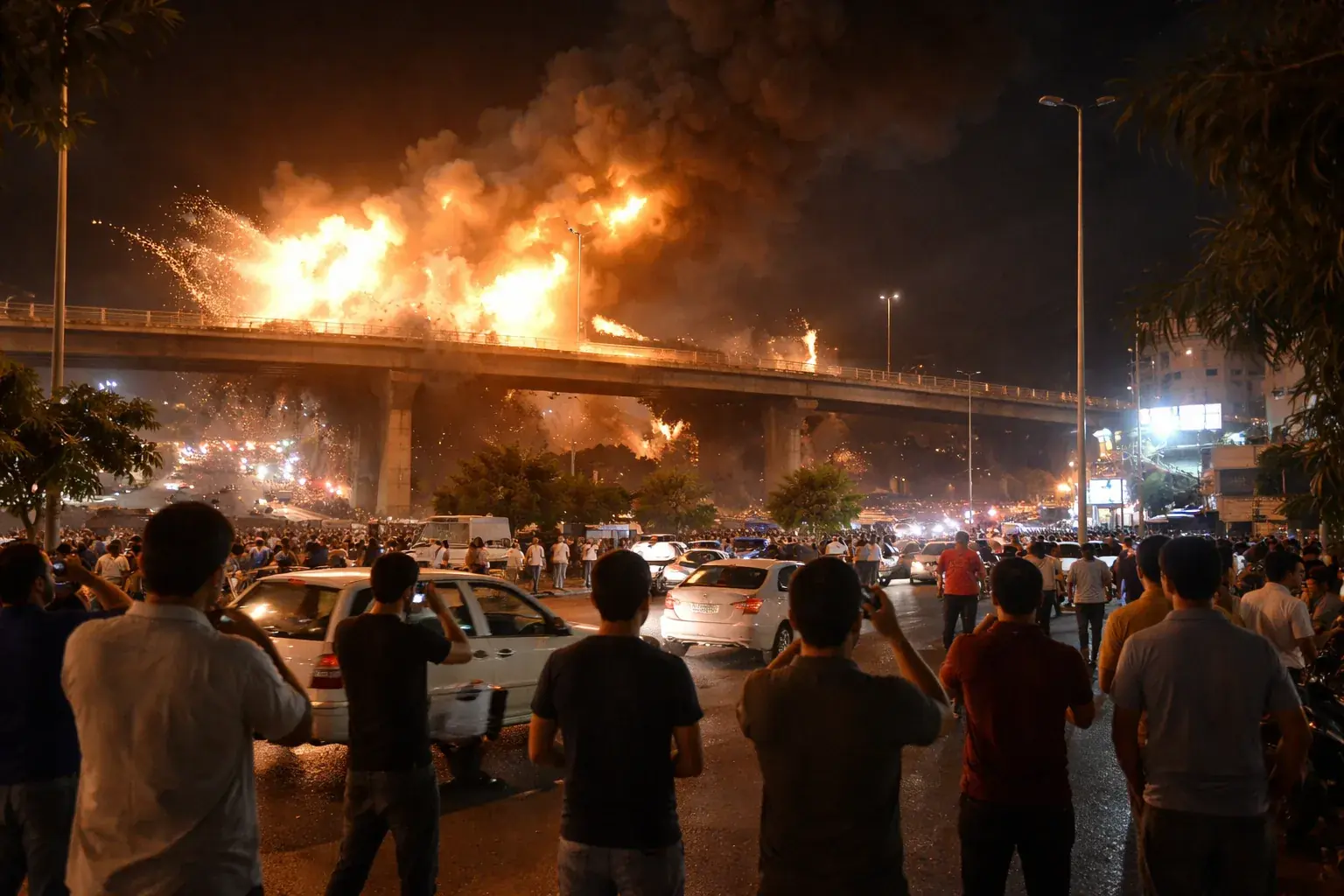
This latest wave of strikes signals a deliberate shift in targeting strategy, moving beyond purely military installations to include critical civilian infrastructure. Iranian authorities reported the destruction of two bridges in the Hormozgan province, a development that the BBC has partially verified through independent footage of a destroyed bridge west of Bandar Abbas. This escalation follows recent warnings from President Donald Trump, who suggested that Iranian infrastructure would be targeted if the country refused to return to the negotiating table. Additionally, US Marines have actively boarded an oil tanker in the Gulf of Oman, enforcing a renewed naval blockade of Iranian ports that was officially initiated on Tuesday night to prevent the flow of goods.
Key details
US Central Command (Centcom) confirmed that its forces redirected three commercial vessels attempting to bypass the current blockade. This maritime enforcement is reminiscent of previous operations between April and June, during which US forces disabled nine ships and redirected over 140 others. On the diplomatic front, the situation remains contradictory; while President Trump praised Iran for the alleged release of US detainee Dena Karari, the Iranian judiciary has publicly denied that any such exchange or release took place from its prisons. Meanwhile, Tehran has claimed its own military successes, asserting that it launched strikes against US military bases located in Jordan, Kuwait, and Bahrain earlier on Thursday, though these claims remain subject to further independent verification.
Background and context
The conflict centers on the Strait of Hormuz, a critical global shipping lane that Tehran effectively closed following a series of previous US and Israeli strikes. The legal implications of targeting civilian infrastructure have drawn international scrutiny, with UN human rights chief Volker Türk stating that deliberate attacks on such sites could constitute war crimes under the 1949 Geneva Conventions. These conventions strictly prohibit the destruction of facilities essential for the survival of civilian populations, such as power plants and bridges. Despite the intensifying military action, White House press secretary Karoline Leavitt has maintained that the administration remains open to diplomatic solutions, provided Iran stops its attacks on shipping vessels within the strait and engages in dialogue.
What to watch next
The immediate future depends on whether Iran chooses to de-escalate or continues its regional strikes against US installations in the Middle East. Mohammad Bagher Ghalibaf, Iran’s top negotiator, has stated that Tehran sees no reason to abide by any agreements that do not serve its national interests, particularly regarding what he calls Iranian arrangements in the Strait of Hormuz. Observers are also monitoring the status of Dena Karari; her attorney suggests she is returning to the US, but the official denial from Tehran’s judiciary suggests a potential breakdown in communication or a change in the terms of her release. Any further strikes on Iranian power plants or bridges will likely draw deeper international condemnation and potentially widen the scope of the regional conflict.
Why it matters
The expansion of strikes to civilian infrastructure and the enforcement of a naval blockade marks a significant escalation that threatens global energy security.
Read next
Follow this story through the topic hub, more world coverage, and the latest updates.
Weekly briefing
Get the week's key developments in one concise email.
Get a fast catch-up on the biggest stories, the context behind them, and the links worth your time.
Cadence
Weekly, for a quick catch-up
Coverage
AI, business, world, security, sports
Format
Clear takeaways and useful context
Request the briefing
Leave your email to open a prepared request and get on the list for the weekly briefing.
About the byline
World correspondent
Leila Haddad covers world affairs, diplomacy, and humanitarian crises, with a focus on how fast-moving international developments affect public policy, conflict response, and cross-border institutions.
Sources and methodology