Tehran Targets US Gulf Bases as Conflict Escalates After Second Day of American Strikes
Iran launched retaliatory strikes on US bases in Bahrain and Kuwait after President Trump warned of hitting Tehran hard over stalled negotiations.
Primary source: BBC World News. Full source links and update notes are below.
Fast summary
Start here
- US Central Command completed a second day of self-defense strikes against Iranian targets near the Strait of Hormuz.
- Iran retaliated by attacking US bases in Bahrain and Kuwait and claiming to close the Strait of Hormuz to all maritime traffic.
- Global oil prices climbed above $95 per barrel following reports of attacks on tankers and the closure of the shipping channel.
What happened
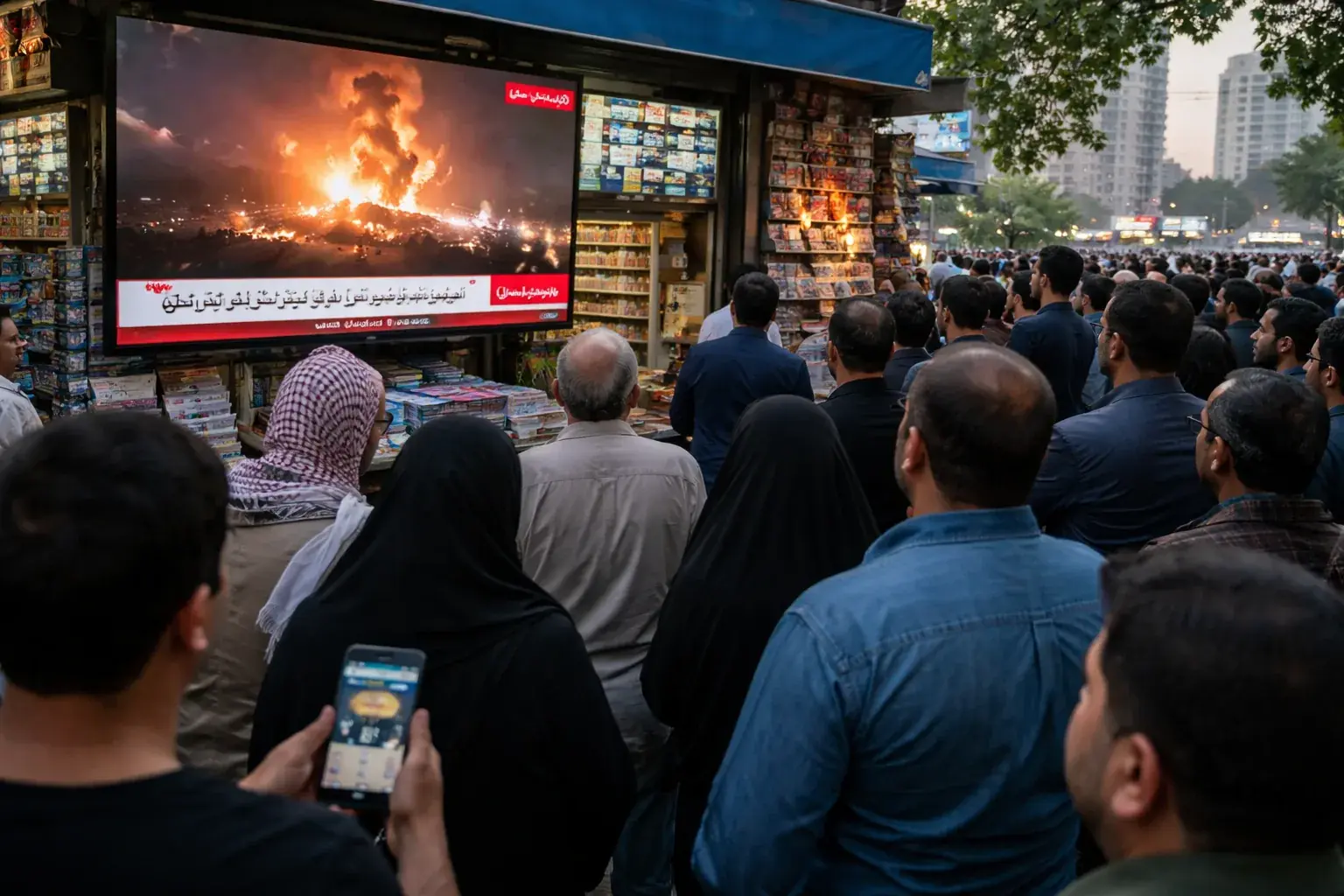
Iran launched attacks against US military bases in Bahrain and Kuwait and targeted maritime traffic in the Strait of Hormuz. These actions followed a second consecutive day of US "self-defense strikes" ordered after President Donald Trump claimed Tehran had failed to negotiate a timely peace deal to end ongoing hostilities.
What's new in this update
Iranian state media reported that the Strait of Hormuz has been "completely closed" to all vessels, and the Islamic Revolutionary Guards Corps (IRGC) claimed to have struck ships in the waterway. While US Central Command maintains that commercial traffic continues to transit, Brent crude oil prices rose by approximately 2% to over $95 a barrel on the news.
Key details
US strikes on Wednesday targeted air defense and radar sites in southern Iran. President Trump stated on Truth Social that Iranian leaders have "taken too long to negotiate a deal," while Defense Secretary Pete Hegseth warned that bombs would continue to drop on key facilities. Iran's President Masoud Pezeshkian responded by vowing to stand firm against external pressure and threats.
Background and context
A fragile ceasefire agreed upon in April has been under increasing strain as recent efforts to broker negotiations between Washington and Tehran have stalled. Tensions spiked on Tuesday after a US helicopter was downed in an attack blamed on Iran, leading to initial US retaliatory strikes and subsequent IRGC responses across the Middle East.
What to watch next
The focus remains on the Strait of Hormuz and whether the IRGC can effectively block the transit of oil tankers. UN Secretary General António Guterres has warned that the Middle East is being pulled deeper into crisis, calling for all parties to work toward a diplomatic settlement rather than a return to full-scale hostilities.
Why it matters
The escalation threatens a fragile ceasefire and could disrupt global energy supplies if the Strait of Hormuz remains contested or closed.
Read next
Follow this story through the topic hub, more world coverage, and the latest updates.
Weekly briefing
Get the week's key developments in one concise email.
Get a fast catch-up on the biggest stories, the context behind them, and the links worth your time.
Cadence
Weekly, for a quick catch-up
Coverage
AI, business, world, security, sports
Format
Clear takeaways and useful context
Request the briefing
Leave your email to open a prepared request and get on the list for the weekly briefing.
Author
See who assembled this story and follow more of their work.
Sources and methodology