Nigeria Police Urge Restraint Amid Rising Tensions Over South African Anti-Migrant Protests
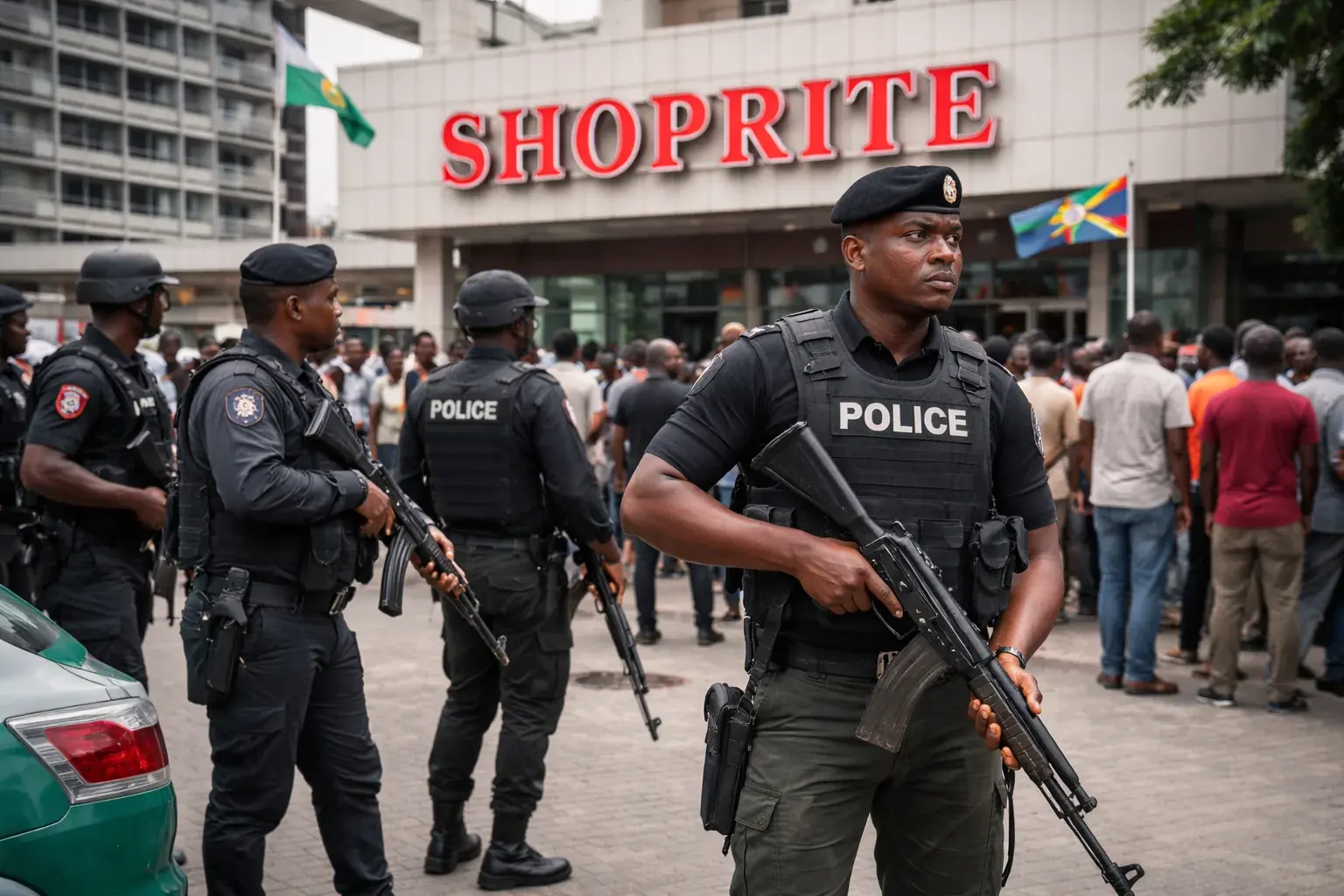
Authorities in Abuja have increased security around foreign missions and infrastructure to prevent retaliatory violence following reports of xenophobic sentiment abroad.
Primary source: BBC World News. Full source links, newsroom standards, and correction details are below.
Fast summary
Start here
- The Nigeria Police Force has officially warned citizens against targeting South African nationals or businesses in response to anti-migrant protests in South Africa.
- Additional security measures have been deployed around diplomatic facilities and key infrastructure within Nigeria to prevent looting or vandalism.
- While no physical attacks on Nigerians in South Africa have been officially confirmed, the Nigerian government is addressing the situation at the highest levels.
What happened
The Nigeria Police Force has issued a formal warning to citizens, urging them to maintain calm following reports of rising anti-migrant sentiment in South Africa. The advisory follows a meeting of Nigerian security and intelligence chiefs and emphasizes that any attempt to target South African interests within Nigeria will be prosecuted as a criminal act.
What's new in this update
Senior police spokesperson Aliyu Giwa confirmed that security has been heightened around South African diplomatic missions and key commercial infrastructure. This proactive stance follows statements from other African nations, including Ghana, which recently evacuated hundreds of its citizens from South Africa citing safety concerns amidst the protests.
Key details
A group known as March and March has organized demonstrations in South Africa, calling for tougher action against undocumented migrants and setting a deadline of June 30 for them to leave the country. South African protesters have accused migrants of straining public services and contributing to crime, though the South African government has officially condemned criminal acts directed at foreign nationals.
Background and context
Relations between Nigeria and South Africa have historically been tested by outbreaks of xenophobic violence. Previous incidents in South Africa triggered retaliatory attacks in Nigeria, where South African-owned retail and telecommunications businesses were targeted by mobs. Nigerian authorities are seeking to avoid a repeat of those escalations.
What to watch next
Observers are monitoring the June 30 deadline set by South African protest groups. Diplomatic channels remain open as the Nigerian government attempts to ensure the safety of its diaspora while maintaining internal order and protecting foreign investment within its own borders.
Why this matters
The situation threatens to reignite diplomatic friction and civil unrest between Africa's two largest economies, mirroring previous cycles of xenophobic violence and retaliatory looting.
Reader context
This story belongs to Northstar Herald's International Relations and Human Rights coverage, with related entities including Nigeria, South Africa, Xenophobia, Diplomacy. The report is based on BBC World News source material.
Related coverage
Why it matters
The situation threatens to reignite diplomatic friction and civil unrest between Africa's two largest economies, mirroring previous cycles of xenophobic violence and retaliatory looting.
Read next
Follow this story through the topic hub, more world coverage, and the latest updates.
Weekly briefing
Get the week's key developments in one concise email.
Get a fast catch-up on the biggest stories, the context behind them, and the links worth your time.
Cadence
Weekly, for a quick catch-up
Coverage
AI, business, world, security, sports
Format
Clear takeaways and useful context
Request the briefing
Leave your email to open a prepared request and get on the list for the weekly briefing.
Author

The world desk follows geopolitics, humanitarian crises, diplomacy, and major international developments with an emphasis on fast updates and public-interest context.
Sources and methodology