Nigeria Repatriates Hundreds From South Africa as Anti-Migrant Sentiment Surges
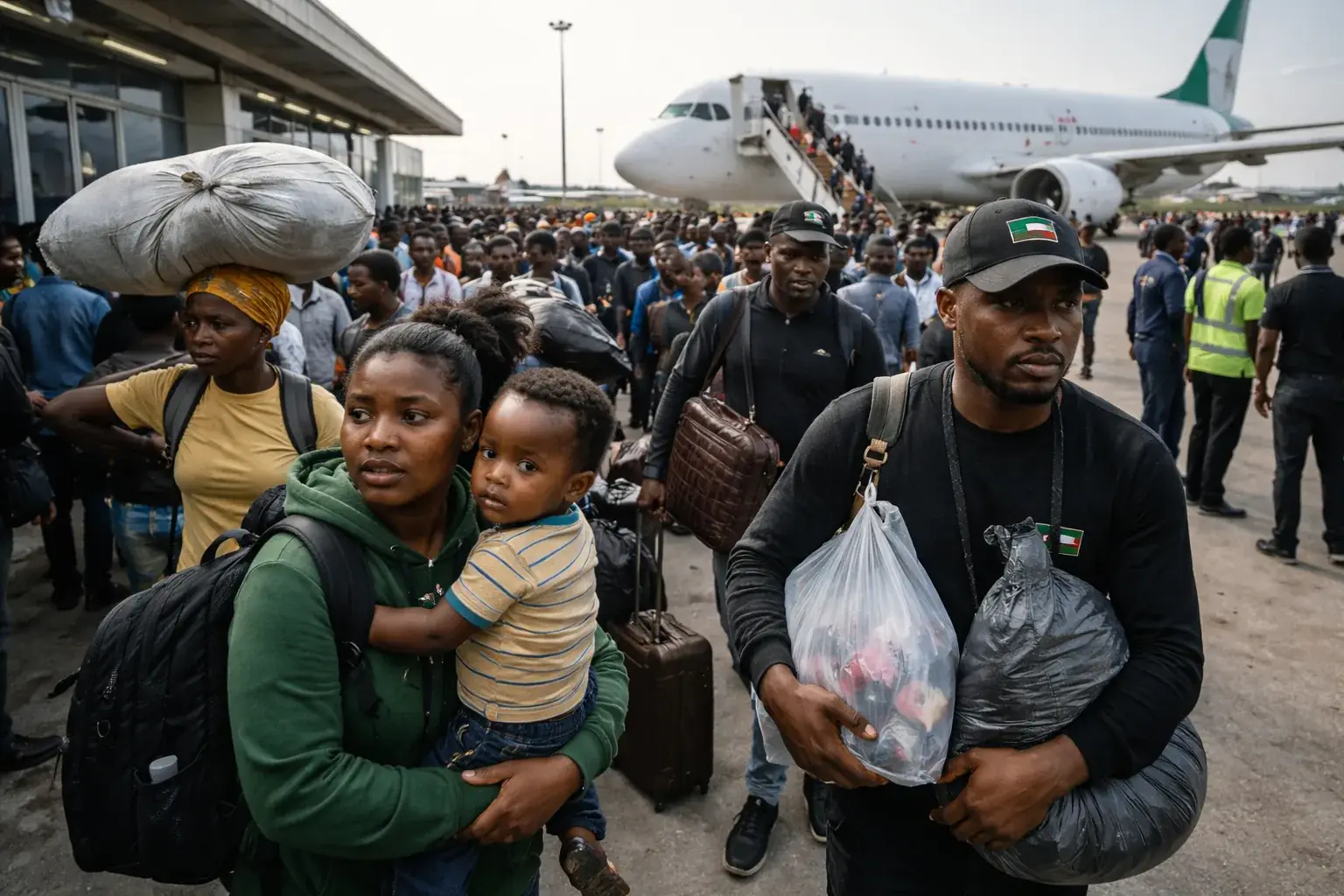
A flight from Johannesburg carrying 268 passengers landed in Lagos on Thursday, marking the latest wave of evacuations from the country.
Primary source: BBC World News. Full source links, newsroom standards, and correction details are below.
Fast summary
Start here
- A flight with 268 Nigerians arrived in Lagos on Thursday, the first of approximately 1,000 citizens who have registered for repatriation.
- Anti-migrant sentiment in South Africa has intensified ahead of a June 30 deadline set by campaigners for undocumented migrants to leave.
- Ghana, Zimbabwe, and Malawi have already initiated similar evacuations for their citizens following reports of xenophobic violence.
What happened
Nigeria has joined several other African nations in evacuating its citizens from South Africa due to rising safety concerns. A flight carrying 268 Nigerians landed in Lagos on Thursday morning after departing from Johannesburg. This move follows reports of targeted harassment and violence against foreign nationals in various South African cities.
What's new in this update
This latest repatriation effort comes as a self-imposed June 30 deadline approaches, set by local anti-migrant campaigners who have demanded that undocumented foreigners leave the country. Approximately 1,000 Nigerians have registered with their consulate in South Africa to be returned home, citing an inability to walk freely or maintain businesses due to fear of attack.
Key details
Returning citizens described harrowing experiences, including physical assaults in public transportation and the looting of business premises. The head of Nigeria's Diaspora Commission, Abike Dabiri-Erewa, confirmed that returnees are receiving financial assistance of over 100,000 naira ($73) and mobile phone credit. The Nigerian government plans to transport these individuals to their respective home states across the country.
Background and context
South Africa is currently grappling with an unemployment rate exceeding 30%, which has fueled a rise in xenophobic sentiment. While protesters often blame migrants for the strain on public services like hospitals and schools, Nigeria's Consul General, Ninikanwa Okey-Uche, noted that migrants make up less than 10% of the population. Okey-Uche argued that foreign nationals are being scapegoated for systemic failures in governance and infrastructure.
What to watch next
The situation remains volatile as the June 30 deadline nears. While South Africa's Border Management Agency claims many of those on the repatriation flight lacked legal documentation, the reported violence—including recent deaths of Mozambican nationals in Western Cape—suggests that the risk of further xenophobic unrest remains high regardless of legal status.
Why it matters
The mass repatriation signals a deteriorating humanitarian situation for migrants in South Africa, as economic frustrations and high unemployment are increasingly directed at foreign nationals.
Read next
Follow this story through the topic hub, more world coverage, and the latest updates.
Weekly briefing
Get the week's key developments in one concise email.
Get a fast catch-up on the biggest stories, the context behind them, and the links worth your time.
Cadence
Weekly, for a quick catch-up
Coverage
AI, business, world, security, sports
Format
Clear takeaways and useful context
Request the briefing
Leave your email to open a prepared request and get on the list for the weekly briefing.
Author

The Northstar Herald editorial desk assembles wire-driven and source-linked coverage, verifies core facts against published materials, and updates stories as new reporting becomes available.
Sources and methodology