Nigeria Begins Citizen Repatriation as Anti-Migrant Sentiment Peaks in South Africa
A flight carrying 268 Nigerians landed in Lagos this week as hundreds more register to leave South Africa ahead of a looming June 30 deadline set by anti-foreigner groups.
Primary source: BBC World News. Full source links, newsroom standards, and correction details are below.
Fast summary
Start here
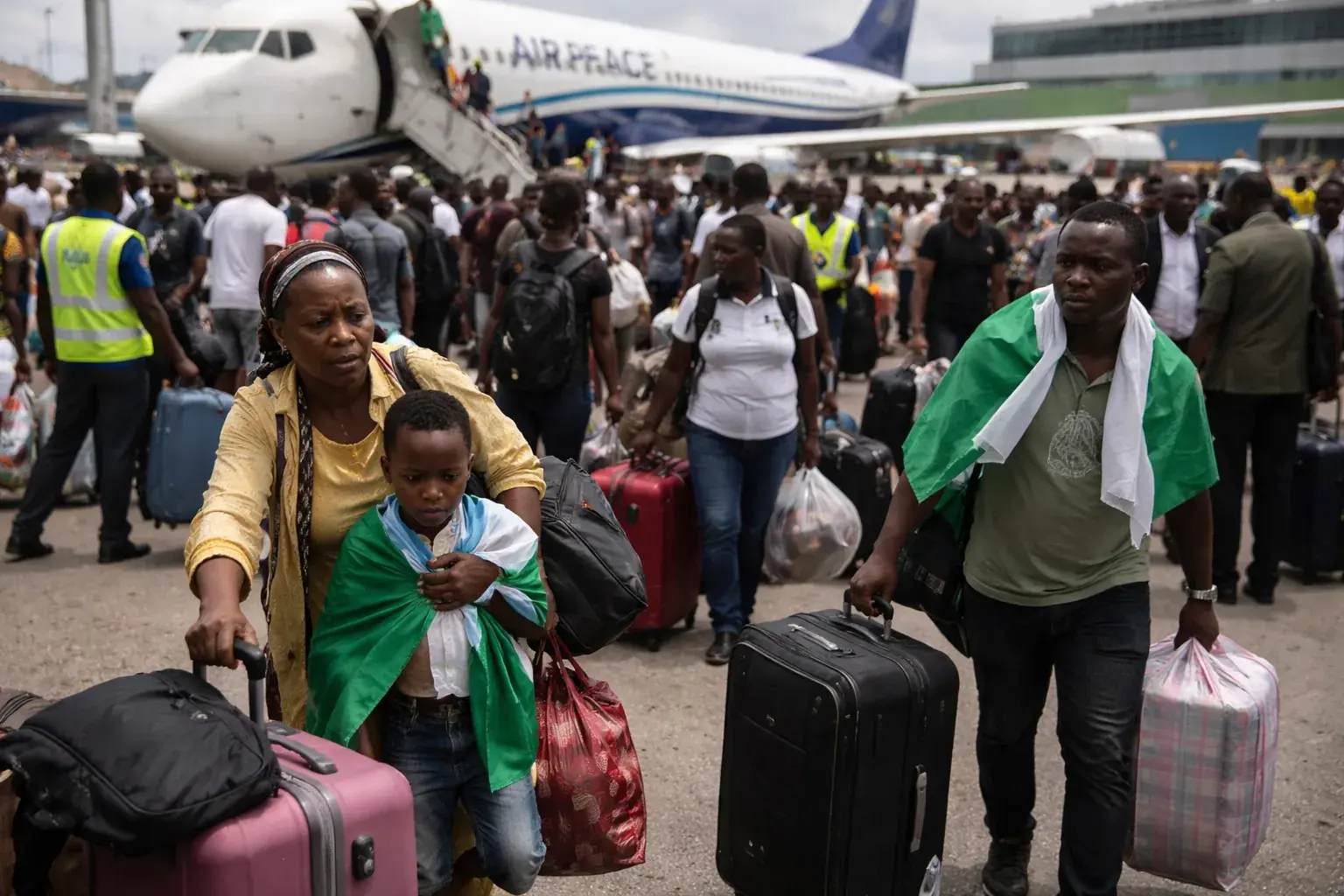
- Approximately 268 Nigerians returned to Lagos on Thursday, the first wave of a planned evacuation involving at least 1,000 registered citizens.
- Tensions have escalated due to a 30% national unemployment rate and a June 30 deadline imposed by local anti-migrant campaigners for foreigners to leave.
- Nigerian diplomats argue that migrants are being scapegoated for South Africa's systemic failures in education, healthcare, and policing.
What happened
Nigeria has initiated the emergency evacuation of its citizens from South Africa, responding to an increasingly volatile climate of anti-migrant sentiment and targeted physical violence. On Thursday morning, a flight carrying 268 Nigerian nationals departed from Johannesburg and arrived in Lagos, marking the official start of a broader repatriation effort managed by the Nigerian consulate. This move follows similar emergency actions by other African nations, including Ghana, Zimbabwe, and Malawi, as safety concerns for foreign nationals intensify across South African provinces. The Nigerian consulate reports that approximately 1,000 individuals have already registered for repatriation, citing a pervasive climate of fear that has made daily life untenable for many long-term residents who have lived in the country for decades.
What's new in this update
The current wave of evacuations is specifically spurred by an unofficial June 30 deadline established by local anti-migrant campaigners, who have demanded that undocumented foreigners leave the country or face consequences. While the South African government has not endorsed this specific deadline, the rhetoric from grassroots movements has led to a spike in reports of harassment and physical attacks in major urban centers. Nigerian officials confirmed that the returnees are receiving immediate logistical support, including financial assistance of more than 100,000 naira (approximately $73) and mobile phone credit upon their arrival in Lagos. The head of Nigeria’s Diaspora Commission, Abike Dabiri-Erewa, stated that the country's emergency management agency is coordinating the transport of these citizens back to their respective home states across Nigeria's 36 states.
Key details
Personal testimonies from the returnees highlight the severity of the threats faced by the migrant community. One passenger, Justin, who had lived in South Africa since 1998, told the BBC he was forced to flee after being physically attacked in a taxi and robbed of all his belongings. Another returnee, Chinwe Osuala, a mother of three and a business owner, reported being personally attacked at her business premises. While she noted that not all South Africans are xenophobic, the safety of her children became her primary reason for leaving. South Africa's Border Management Agency has characterized the returnees as lacking legal documentation, though Nigerian Consul General Ninikanwa Okey-Uche noted that administrative delays in processing permit applications often lead to residents becoming 'undocumented' through no fault of their own.
Background and context
The rise in xenophobic sentiment is closely tied to South Africa's deep-seated economic challenges, including an unemployment rate exceeding 30%. Migrants from across the African continent, many of whom moved to South Africa following the end of white-minority rule in 1994, are frequently blamed for the scarcity of jobs and the strain on public infrastructure. However, Consul General Okey-Uche pointed out that migrants constitute less than 10% of the South African population. She argued that foreigners are being used as scapegoats for 'broken systems' in education, policing, and healthcare that are internal to South African governance. While some top politicians have condemned the violence, others are accused of utilizing anti-migrant rhetoric to gain political leverage as the country approaches a new election cycle.
What to watch next
The situation is expected to remain tense as the June 30 deadline set by campaigners approaches. With local government elections scheduled for November, migration has become a central campaign issue. In a televised address, President Cyril Ramaphosa recently announced a series of new state-led measures to crack down on illegal migration, including jailing employers who hire undocumented workers and establishing a biometric database to prevent identity theft. He also warned South Africans not to take the law into their own hands. Observers will be monitoring whether these state measures succeed in curbing vigilante violence or if the political focus on migration further inflames tensions in the months leading up to the vote.
Why it matters
The mass repatriation highlights a growing diplomatic and humanitarian crisis in Southern Africa, where economic instability is fueling dangerous xenophobic rhetoric and displacing long-term residents.
Read next
Follow this story through the topic hub, more world coverage, and the latest updates.
Weekly briefing
Get the week's key developments in one concise email.
Get a fast catch-up on the biggest stories, the context behind them, and the links worth your time.
Cadence
Weekly, for a quick catch-up
Coverage
AI, business, world, security, sports
Format
Clear takeaways and useful context
Request the briefing
Leave your email to open a prepared request and get on the list for the weekly briefing.
Author

The world desk follows geopolitics, humanitarian crises, diplomacy, and major international developments with an emphasis on fast updates and public-interest context.
Sources and methodology