Iran Threatens Trade Route Closures as US Launches New Air Strikes
Tehran warns it could block the Strait of Hormuz and energy exports after the US military conducts fresh strikes on Iranian military assets.

World correspondent
Reports on international affairs, diplomacy, and humanitarian developments with an emphasis on official statements, multilateral institutions, and regional context.
Editorial responsibility: Lead reviewer for geopolitics, international institutions, and crisis coverage
Primary source: BBC World News. Full source links and update notes are below.
Fast summary
Start here
- US Central Command conducted drone, air, and navy strikes against Iranian military targets on Wednesday morning following an overnight operation.
- The Iranian Revolutionary Guard Corps (IRGC) threatened to close the Strait of Hormuz and other regional oil and gas export channels.
- US President Donald Trump warned of potential strikes on civilian infrastructure, including bridges and power plants, if talks do not resume.
What happened
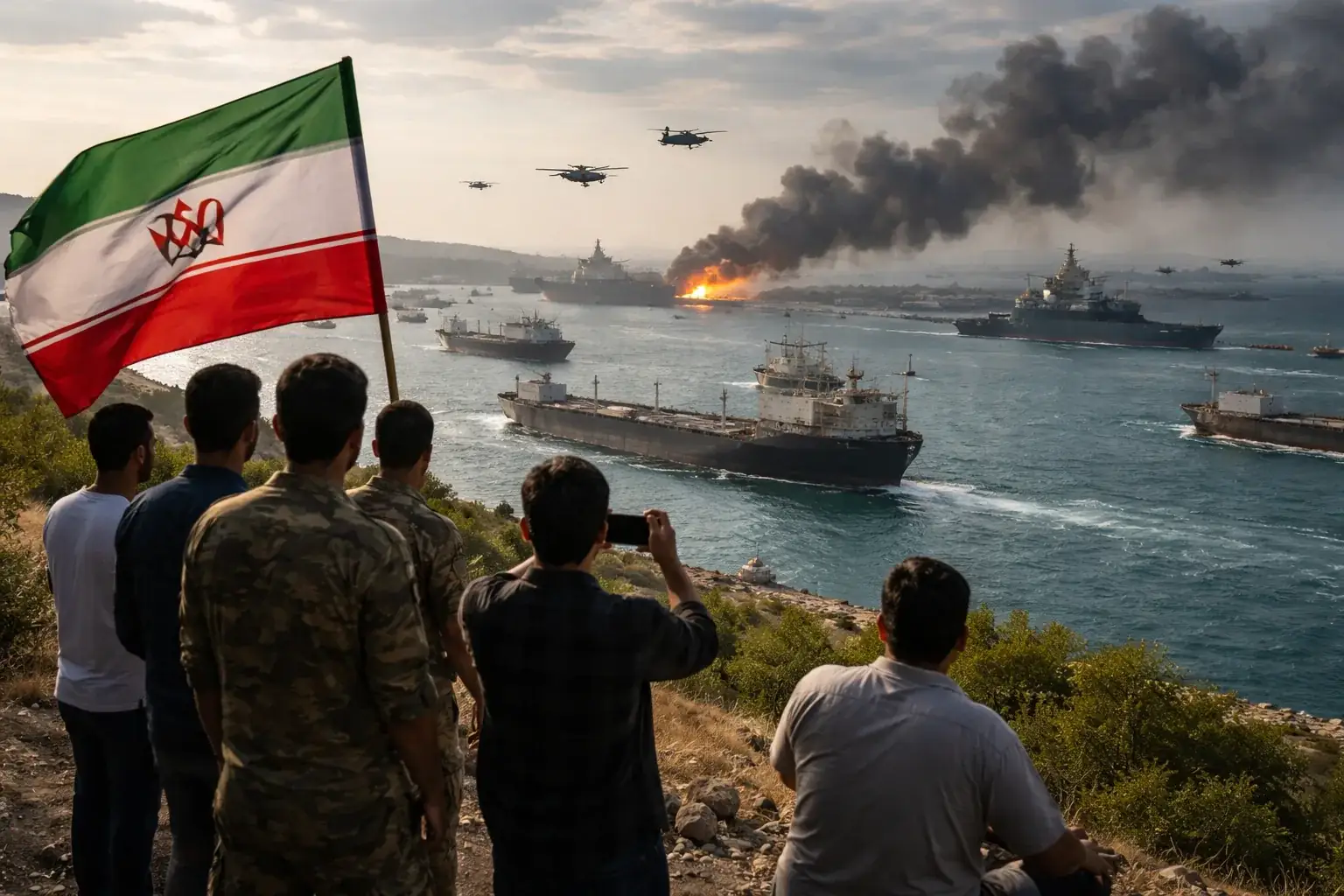
A significant military escalation unfolded on Wednesday as U.S. Central Command (Centcom) executed a series of multi-domain strikes against Iranian military positions. These operations, which included drone deployments, air strikes, and naval engagements, followed an intensive seven-hour operation conducted overnight. In response to these actions, the Iranian Revolutionary Guard Corps (IRGC) issued a stern ultimatum, declaring that the Strait of Hormuz would remain obstructed until the United States ceases its current military campaign. Tehran’s state-run media also reported that the Iranian army launched separate attacks against American military installations in Jordan, Kuwait, and Bahrain, indicating a rapid expansion of the geographical scope of the current hostilities across the Middle Eastern theater.
What's new in this update
The latest development centers on the shift in rhetoric and policy from the White House. President Donald Trump has indicated that a previously threatened 20% toll on traffic through the Strait of Hormuz would be replaced by a new strategy of seeking 'massive' trade and investment deals with Gulf state allies. However, this shift comes with an ultimatum: the U.S. has vowed to strike non-military targets, specifically identifying Iranian bridges and power plants, as early as next week if the Iranian government does not return to the negotiating table. Furthermore, a renewed U.S. blockade on Iranian ports was officially implemented on Tuesday evening, effectively barring all maritime vessels from transiting to or from Iranian coastal areas and commercial ports.
Key details
The IRGC has warned that the Strait of Hormuz is not the only target for potential closure. Officials in Tehran stated that the U.S. and its allies should expect the interruption of other critical oil and gas export routes that serve Western interests, although they did not provide specific locations for these secondary targets. Simultaneously, regional allies of the United States have confirmed they were forced to intercept a number of drones and missiles launched from within Iranian territory. President Trump, speaking in a televised interview, clarified that while he is currently saving energy-specific targets for last, they remain a part of the long-term strike list if diplomatic progress is not made. This dual-track approach of economic blockade and infrastructure threat marks a peak in the current administration's pressure campaign.
Background and context
The Strait of Hormuz has long been viewed as a global economic 'choke point' and a primary fault line in the volatile relationship between the U.S. and Iran. Roughly one-fifth of the world’s total oil consumption passes through this narrow waterway daily, making it a critical asset for global energy security. The current spike in violence follows years of deteriorating relations, characterized by failed nuclear negotiations and cycles of sanctions. The latest blockade on Iranian ports is intended to sever Tehran’s remaining economic lifelines, specifically targeting its ability to export what remains of its energy production. This historical context of 'tanker wars' and naval skirmishes underscores the gravity of the IRGC's threat to fully shut down the passage to international commerce.
What to watch next
The coming week is critical as the deadline for renewed negotiations approaches. Analysts are closely watching for any signs of Iranian movement toward the negotiating table or, conversely, the hardening of their defensive positions. If President Trump follows through on threats to strike civilian infrastructure like power plants next week, the humanitarian and economic toll within Iran could escalate significantly. Markets are also bracing for the IRGC's potential follow-through on threats to block alternative energy routes, which could involve targeting pipelines or offshore facilities in the Gulf. Additionally, the response of Gulf states to the offered 'massive' trade deals will be a decisive factor in determining the regional coalition's alignment as the pressure on Tehran intensifies.
Why it matters
The Strait of Hormuz is the world's most vital energy transit point; any closure or disruption could trigger a global economic crisis and expand the conflict.
Read next
Follow this story through the topic hub, more world coverage, and the latest updates.
Weekly briefing
Get the week's key developments in one concise email.
Get a fast catch-up on the biggest stories, the context behind them, and the links worth your time.
Cadence
Weekly, for a quick catch-up
Coverage
AI, business, world, security, sports
Format
Clear takeaways and useful context
Request the briefing
Leave your email to open a prepared request and get on the list for the weekly briefing.
About the byline
World correspondent
Leila Haddad covers world affairs, diplomacy, and humanitarian crises, with a focus on how fast-moving international developments affect public policy, conflict response, and cross-border institutions.
Sources and methodology