Apple Intelligence Gains China Approval with Alibaba and Baidu Deals
Apple secures regulatory approval to launch its generative AI services in China by partnering with local tech giants Alibaba and Baidu for integration.

AI reporter
Reports on model launches, frontier labs, developer platforms, and AI policy with an emphasis on claims verification and rollout context.
Editorial responsibility: Lead reviewer for AI coverage, launch claims, and policy context
Primary source: TechCrunch AI. Full source links and update notes are below.
Fast summary
Start here
- The Cyberspace Administration of China has approved Apple Intelligence for a regional rollout after months of regulatory delays.
- Alibaba’s Qwen AI model will be integrated into Apple’s operating systems, including iOS, iPadOS, macOS, and visionOS.
- Baidu confirmed it is also collaborating with Apple to develop specific AI features tailored for the Chinese consumer market.
What happened
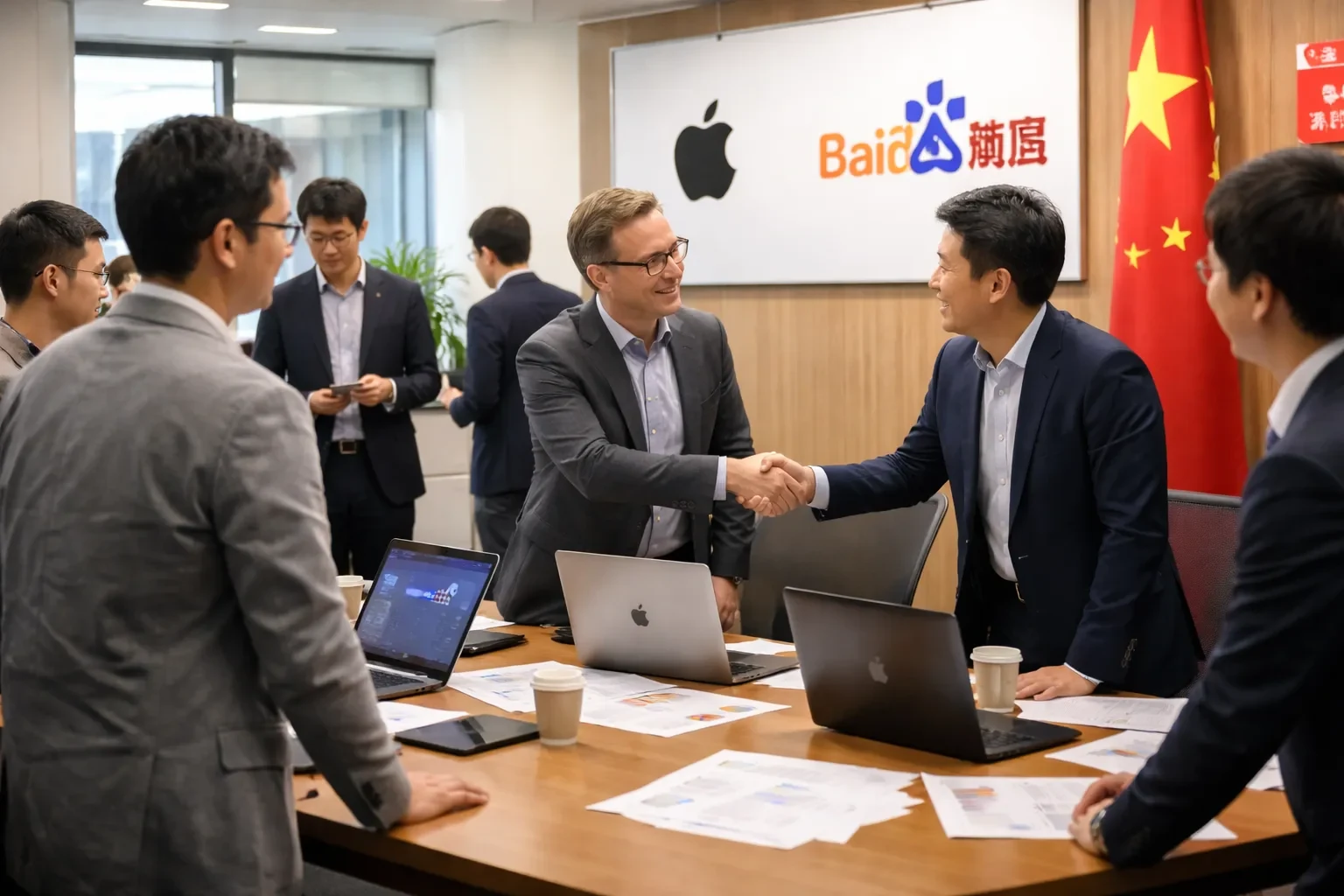
China’s internet content regulator, the Cyberspace Administration of China (CAC), has officially granted approval for Apple Intelligence to launch within the country. This development follows extensive negotiations and the establishment of local partnerships necessary to meet strict domestic data and content regulations. To facilitate this rollout, Apple has secured a landmark agreement to integrate Alibaba’s Qwen artificial intelligence model into its primary software ecosystem. This integration will span the entire range of Apple’s hardware platforms, including the iPhone’s iOS, iPadOS, the Mac’s macOS, and the recently launched visionOS. The move ensures that Apple users in one of the company's most significant markets will eventually gain access to the generative AI features that have been rolling out globally since their initial 2024 debut.
What's new in this update
While rumors regarding an Alibaba partnership had circulated for months, new disclosures have clarified the breadth of Apple’s local strategy. A spokesperson for Baidu confirmed on Wednesday evening that the search giant is also collaborating with Apple to develop features specifically for the Chinese market. This multi-vendor approach suggests that Apple is not relying on a single large language model but is instead tailoring various aspects of the Apple Intelligence experience through different local providers. Alibaba has specified that its Qwen models will contribute capabilities related to both text and image understanding as well as content generation. These partnerships allow Apple to bypass the regulatory hurdles that prevent the deployment of its own Western-hosted cloud AI models within Chinese borders.
Key details
The stakes for Apple’s successful deployment of AI in China are high, as evidenced by recent financial performance. In the second fiscal quarter, Apple reported $20.5 billion in sales within Greater China, marking a 28% increase from the previous year. Furthermore, the company recently reclaimed its position as the number two smartphone manufacturer in the country, bolstered by aggressive discounting during local shopping festivals. However, the absence of Apple Intelligence features—which are becoming a standard selling point for high-end smartphones—threatened to erode this momentum. By securing these deals with Alibaba and Baidu, Apple addresses a critical feature gap. Reports also indicate that the tech giant continues to explore additional integrations with other local AI developers, including DeepSeek and TikTok parent company ByteDance.
Background and context
Since its introduction in 2024, Apple Intelligence has faced significant hurdles in China due to the country’s stringent oversight of generative AI technologies. The Cyberspace Administration of China requires that any AI models serving the public undergo a rigorous review process to ensure they align with local content standards and data security laws. This regulatory environment previously forced Apple to delay the rollout of its AI suite in China, even as it launched in other global regions. Domestic competitors, including Huawei, Xiaomi, and Oppo, have already integrated sophisticated local AI models into their devices, putting Apple at a competitive disadvantage. The new deals with Alibaba and Baidu represent a pivot for Apple, which typically prefers vertically integrated solutions but has had to adapt its strategy to meet geopolitical and regulatory realities.
What to watch next
Looking ahead, the focus shifts to the specific timeline for the rollout of these integrated features. While the partnerships are confirmed, Alibaba and Baidu have yet to provide a concrete date for when Chinese users can expect to see Qwen-powered features appearing on their devices. Observers will also be watching for the outcome of Apple's ongoing discussions with other Chinese firms like DeepSeek and ByteDance. If finalized, these additional integrations could create a highly localized AI experience that differs significantly from the Apple Intelligence version available in the United States and Europe. Additionally, the success of this model-switching approach in China may set a precedent for how Apple handles AI regulations in other jurisdictions with strict data sovereignty requirements.
Why it matters
China is a critical market for Apple, and regulatory approval for its AI suite is essential for maintaining its competitive edge against domestic rivals.
Read next
Follow this story through the topic hub, more ai coverage, and the latest updates.
Weekly briefing
Get the week's key developments in one concise email.
Get a fast catch-up on the biggest stories, the context behind them, and the links worth your time.
Cadence
Weekly, for a quick catch-up
Coverage
AI, business, world, security, sports
Format
Clear takeaways and useful context
Request the briefing
Leave your email to open a prepared request and get on the list for the weekly briefing.
About the byline
AI reporter
Alex Rivera reports on artificial intelligence with an emphasis on model launches, frontier lab strategy, developer tooling, and the policy decisions shaping commercial deployment.
Sources and methodology