Index Ventures Founder Forecasts AI Wealth Redistribution
Neil Rimer suggests the massive wealth generated by the AI boom will be redistributed, warning tech leaders to take a voluntary role in the process.

AI reporter
Reports on model launches, frontier labs, developer platforms, and AI policy with an emphasis on claims verification and rollout context.
Editorial responsibility: Lead reviewer for AI coverage, launch claims, and policy context
Primary source: TechCrunch AI. Full source links and update notes are below.
Fast summary
Start here
- Neil Rimer predicts an eventual redistribution of the immense wealth currently being generated within the artificial intelligence sector.
- Index Ventures has seen massive recent success, including exits from Figma and Wiz that netted the firm approximately $9 billion last year.
- Traditional philanthropy is declining among the tech elite, with fewer billionaires signing the Giving Pledge and employees focusing on angel investing.
What happened
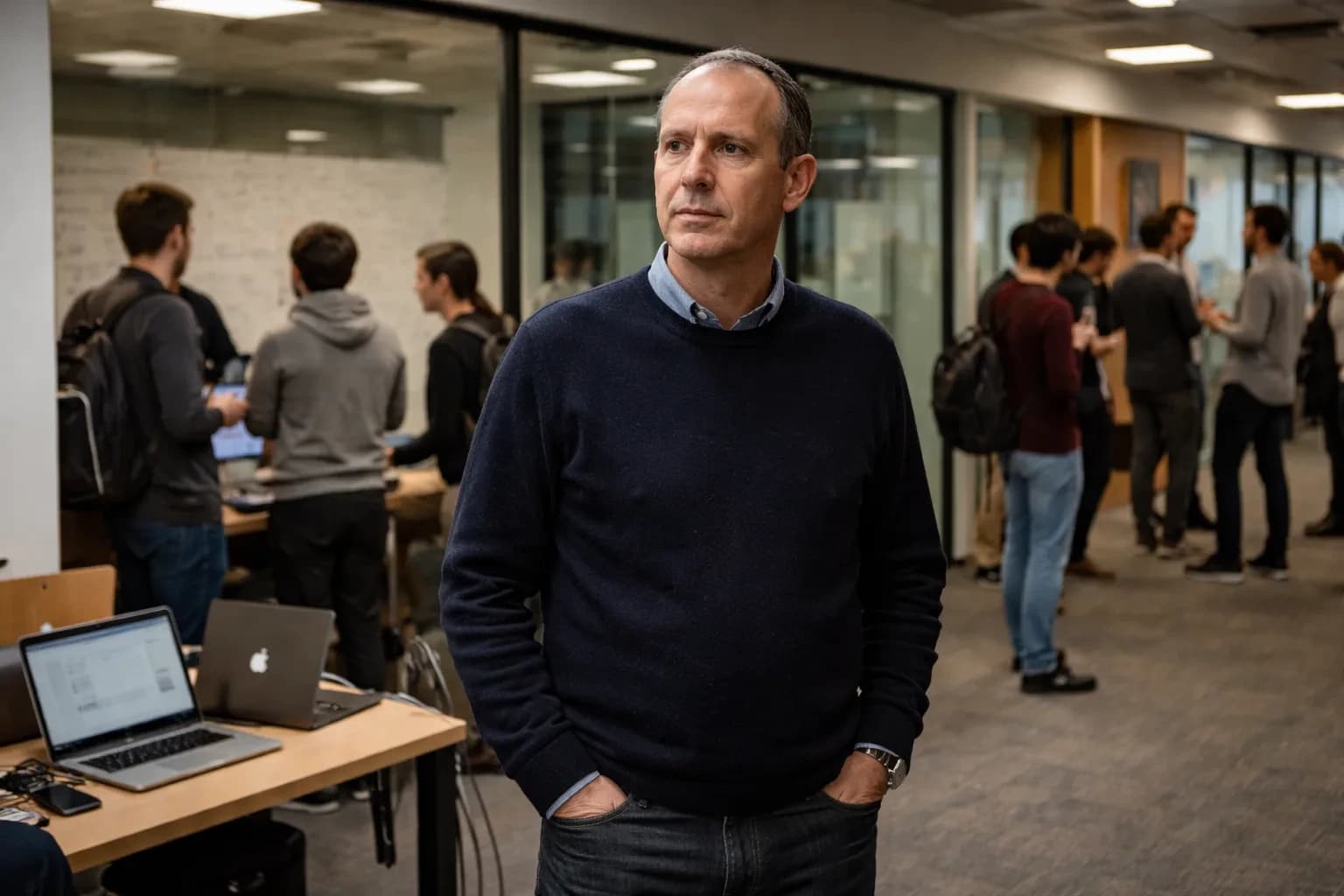
Neil Rimer, a co-founder of the influential firm Index Ventures, has issued a stark warning regarding the immense financial gains currently accumulating within the artificial intelligence sector. Speaking at a technology festival in Athens, Rimer expressed a firm belief that the wealth generated by the AI boom is destined for a significant redistribution. He framed this shift as an inevitability that could take one of two forms: a voluntary movement led by tech industry leaders or an involuntary process mandated by external forces. Rimer, who stepped back from daily investing in 2021, argued that tech pioneers have a responsibility to steer this transition themselves. His comments come as the industry faces increasing scrutiny over the concentration of capital among a few dominant firms and their early investors.
What's new in this update
The latest disclosures regarding Index Ventures' performance provide a clear picture of the scale of the wealth Rimer is discussing. The firm has successfully raised roughly $15 billion since its inception, but its recent track record is particularly exceptional. In the past year alone, high-profile exits including the IPO of Figma and Google’s acquisition of the cybersecurity firm Wiz reportedly generated approximately $9 billion for the firm. While Rimer himself has engaged in significant philanthropic efforts, such as his $13 million contribution to McGill University for Indigenous research, the broader trend in the tech industry shows a sharp decline in traditional charitable giving. The Giving Pledge, once the primary vehicle for billionaire philanthropy, saw its recruitment numbers plummet to just four families in all of 2024.
Key details
The data suggests a widening gap between the massive profits generated by AI and the willingness of its beneficiaries to distribute those gains through established philanthropic channels. While total charitable giving in the United States reached a record high of $592.5 billion in 2024, the actual number of individuals participating in giving has decreased for five consecutive years. Specifically, affluent-household giving has dropped from 90% in 2017 to 81% last year. This trend is mirrored within the workforces of major AI companies like Anthropic. Despite programs that match employee equity donations to charity, many newly wealthy engineers and executives are choosing to focus on angel investing or launching their own startups rather than committing to large-scale philanthropy. This shift indicates that capital is being recycled within the tech ecosystem rather than exiting it.
Background and context
This reluctance to engage in voluntary redistribution has created a vacuum that legislative bodies are beginning to fill. In California, a proposed one-time 5% wealth tax targeting billionaires is set to go before voters this year. This move represents the 'involuntary' redistribution that Rimer cautioned against. The pressure from such legislative efforts is already prompting significant movement within the industry’s top ranks. Google founders Sergey Brin and Larry Page have reportedly relocated their primary residences to South Florida, a region with a more favorable tax environment. This migration highlights the growing friction between state-level attempts to tax the windfall profits of the tech sector and the mobility of the individuals who hold that wealth.
What to watch next
Looking ahead, the trajectory of the AI industry’s relationship with the public will likely depend on whether tech leaders heed Rimer’s advice to take a proactive role in wealth distribution. If the trend of declining philanthropy and reinvestment into private ventures continues, the push for aggressive tax legislation is expected to intensify across multiple jurisdictions. The success or failure of California’s wealth tax will be a critical bellwether for how other regions approach the concentration of AI wealth. For the industry, the challenge lies in balancing the drive for innovation and capital retention with the increasing social and political demand for broader economic participation in the benefits of machine learning and generative AI advancements. The next few years will determine if the redistribution is collaborative or combative.
Why it matters
This shift signals a tension between massive private gains in AI and growing public or legislative pressure to redistribute that capital for broader benefit.
Read next
Follow this story through the topic hub, more ai coverage, and the latest updates.
Weekly briefing
Get the week's key developments in one concise email.
Get a fast catch-up on the biggest stories, the context behind them, and the links worth your time.
Cadence
Weekly, for a quick catch-up
Coverage
AI, business, world, security, sports
Format
Clear takeaways and useful context
Request the briefing
Leave your email to open a prepared request and get on the list for the weekly briefing.
About the byline
AI reporter
Alex Rivera reports on artificial intelligence with an emphasis on model launches, frontier lab strategy, developer tooling, and the policy decisions shaping commercial deployment.
Sources and methodology