Apple Lawsuit Against OpenAI Could Disrupt Upcoming IPO Plans
Apple files a trade secrets lawsuit against OpenAI, alleging theft of proprietary data and hiring over 400 former employees ahead of a potential IPO.

AI reporter
Reports on model launches, frontier labs, developer platforms, and AI policy with an emphasis on claims verification and rollout context.
Editorial responsibility: Lead reviewer for AI coverage, launch claims, and policy context
Primary source: TechCrunch AI. Full source links and update notes are below.
Fast summary
Start here
- Apple alleges OpenAI engaged in a pattern of misconduct to steal proprietary trade secrets using former high-level Apple staff.
- The lawsuit names over 400 former Apple employees now working at OpenAI, including claims involving the chief hardware officer.
- Legal experts suggest the timing of the lawsuit creates significant risks for OpenAI's rumored initial public offering later this year.
What happened
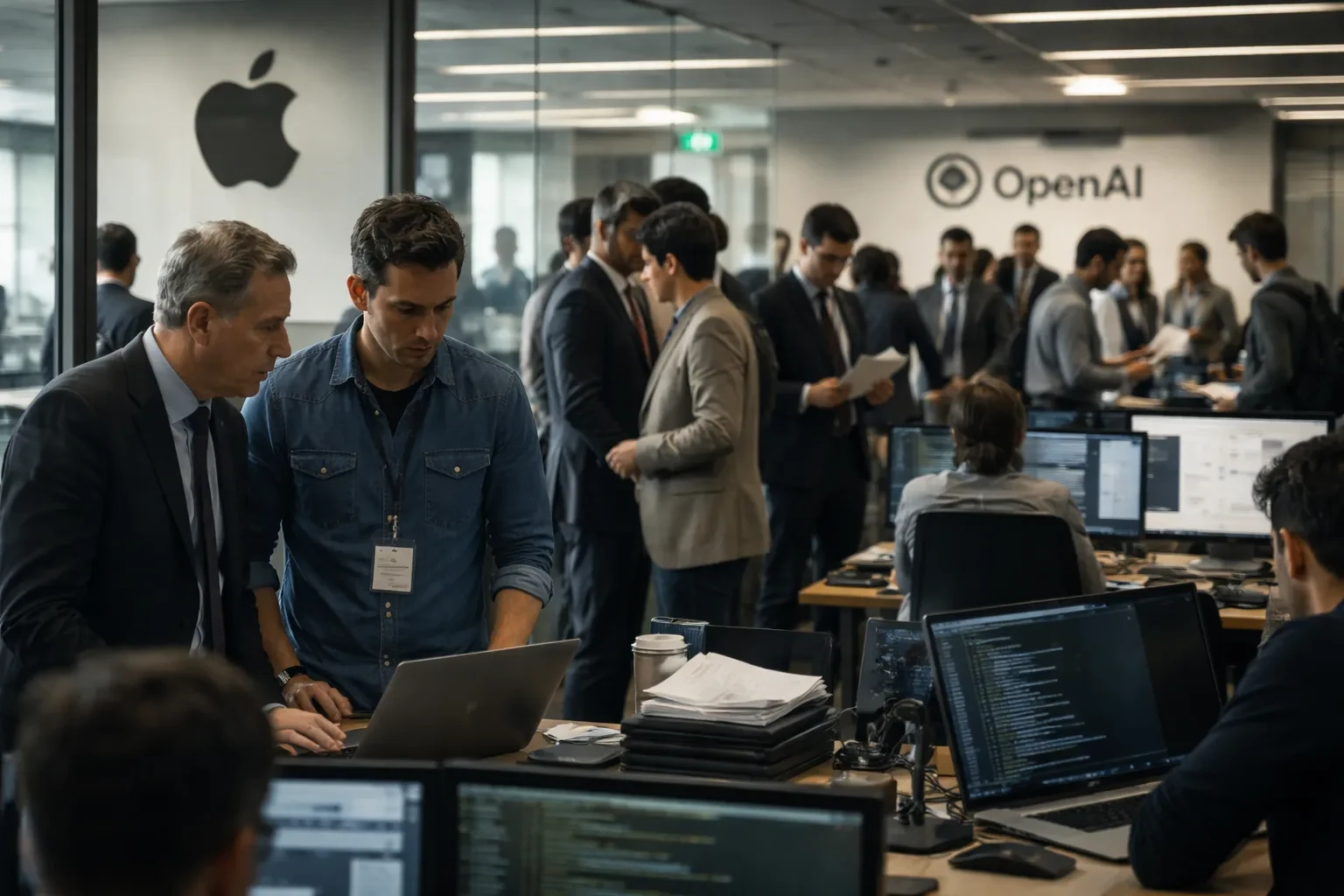
Apple has escalated its competitive stance against OpenAI by filing a significant trade secrets lawsuit. The legal action, filed last Friday, accuses the AI powerhouse of systematic misconduct aimed at misappropriating Apple’s proprietary information. This is not merely a dispute over poached talent; the complaint reaches the highest levels of OpenAI’s leadership, specifically naming the company’s chief hardware officer. Apple’s legal team asserts that the recruitment of over 400 former employees was part of a calculated effort to strip Apple of its intellectual property. The lawsuit underscores the tightening tensions between established tech giants and the rising leaders of the generative AI boom, moving the competition from product releases into the courtroom. OpenAI has long been a collaborator on some software fronts, but this action marks a definitive shift toward open hostility.
What's new in this update
The newest development centers on OpenAI's response and the precarious timing of the filing. While OpenAI has issued carefully hedged statements to address the claims, the shadow of litigation looms over its reported plans for an initial public offering (IPO). Industry analysts suggest that a lawsuit of this magnitude, involving trade secrets and high-level executives, could force a delay in OpenAI’s timeline for going public. The timing is particularly sensitive as OpenAI was reportedly eyeing a market debut as early as later this year. Investors typically demand clarity on legal liabilities before a listing, and the sudden emergence of a major trade secrets case from a company as well-resourced as Apple creates a substantial hurdle for OpenAI's financial strategists who are currently navigating a high-stakes valuation environment.
Key details
The specifics of the complaint reveal the scale of OpenAI's hiring surge and the depth of Apple's concerns. Apple alleges that more than 400 of its former employees have migrated to OpenAI, bringing with them sensitive knowledge of Apple's internal hardware and software roadmaps. The focus on hardware is especially notable, as OpenAI has been increasingly vocal about its ambitions to develop physical devices to house its artificial intelligence models. By targeting the chief hardware officer, Apple is signaling that it believes its core competitive advantages in hardware integration are at risk. The lawsuit details a pattern of behavior that Apple characterizes as an intentional effort to bypass years of research and development through the exploitation of confidential corporate data and trade secrets. This involves not just individual code but broader architectural philosophies used in Apple devices.
Background and context
This legal confrontation follows a period of rapid expansion for OpenAI, which has transitioned from a research lab to a dominant commercial entity. During this transition, the company has aggressively recruited from Silicon Valley’s top tier, including Google, Meta, and Apple. However, the relationship between Apple and OpenAI has been complex, given Apple’s own late-to-the-game entry into the generative AI space. While Apple recently announced integrations with OpenAI’s technology for its consumer devices, this lawsuit indicates that the partnership is strictly transactional and does not preclude fierce legal competition. The dispute highlights a broader theme in the tech sector regarding how much trust should be placed in AI companies as they vacuum up talent and data to build the next generation of computing. The outcome could redefine the boundaries of non-compete agreements and trade secret protections in the AI era.
What to watch next
In the coming months, the legal proceedings will likely enter a discovery phase that could unearth more details about OpenAI’s hardware development and internal communications. Market observers will be watching closely to see if OpenAI proceeds with its IPO filing or if the legal pressure forces a pivot in its capital-raising strategy. The case may also set a precedent for how trade secret laws are applied to the generative AI industry, where the movement of high-level researchers and engineers is frequent. Additionally, the role of Satya Nadella and Microsoft, a major investor in OpenAI, may become a factor if the lawsuit begins to impact the broader ecosystem of AI partnerships. For now, OpenAI must navigate a dual challenge: defending its corporate integrity in court while maintaining investor confidence for its eventual public debut, which remains its most anticipated milestone.
Why it matters
This legal battle highlights the aggressive talent war in generative AI and creates significant financial and reputational risks for OpenAI's market debut.
Read next
Follow this story through the topic hub, more ai coverage, and the latest updates.
Weekly briefing
Get the week's key developments in one concise email.
Get a fast catch-up on the biggest stories, the context behind them, and the links worth your time.
Cadence
Weekly, for a quick catch-up
Coverage
AI, business, world, security, sports
Format
Clear takeaways and useful context
Request the briefing
Leave your email to open a prepared request and get on the list for the weekly briefing.
About the byline
AI reporter
Alex Rivera reports on artificial intelligence with an emphasis on model launches, frontier lab strategy, developer tooling, and the policy decisions shaping commercial deployment.
Sources and methodology