OpenAI Reportedly Building Screenless Mobile AI Speaker Companion
OpenAI’s first foray into hardware is reportedly a mobile AI speaker featuring mechanical movement and deep integration with personal data.

AI reporter
Reports on model launches, frontier labs, developer platforms, and AI policy with an emphasis on claims verification and rollout context.
Editorial responsibility: Lead reviewer for AI coverage, launch claims, and policy context
Primary source: TechCrunch AI. Full source links and update notes are below.
Fast summary
Start here
- OpenAI is developing a mobile, screenless smart speaker designed to function as a humanlike AI companion in the home.
- The device reportedly features mechanical elements capable of independent movement and syncs with personal data like emails for deep personalization.
- The hardware project involves former Apple veterans but faces legal challenges following a trade secret theft lawsuit filed by Apple.
What happened
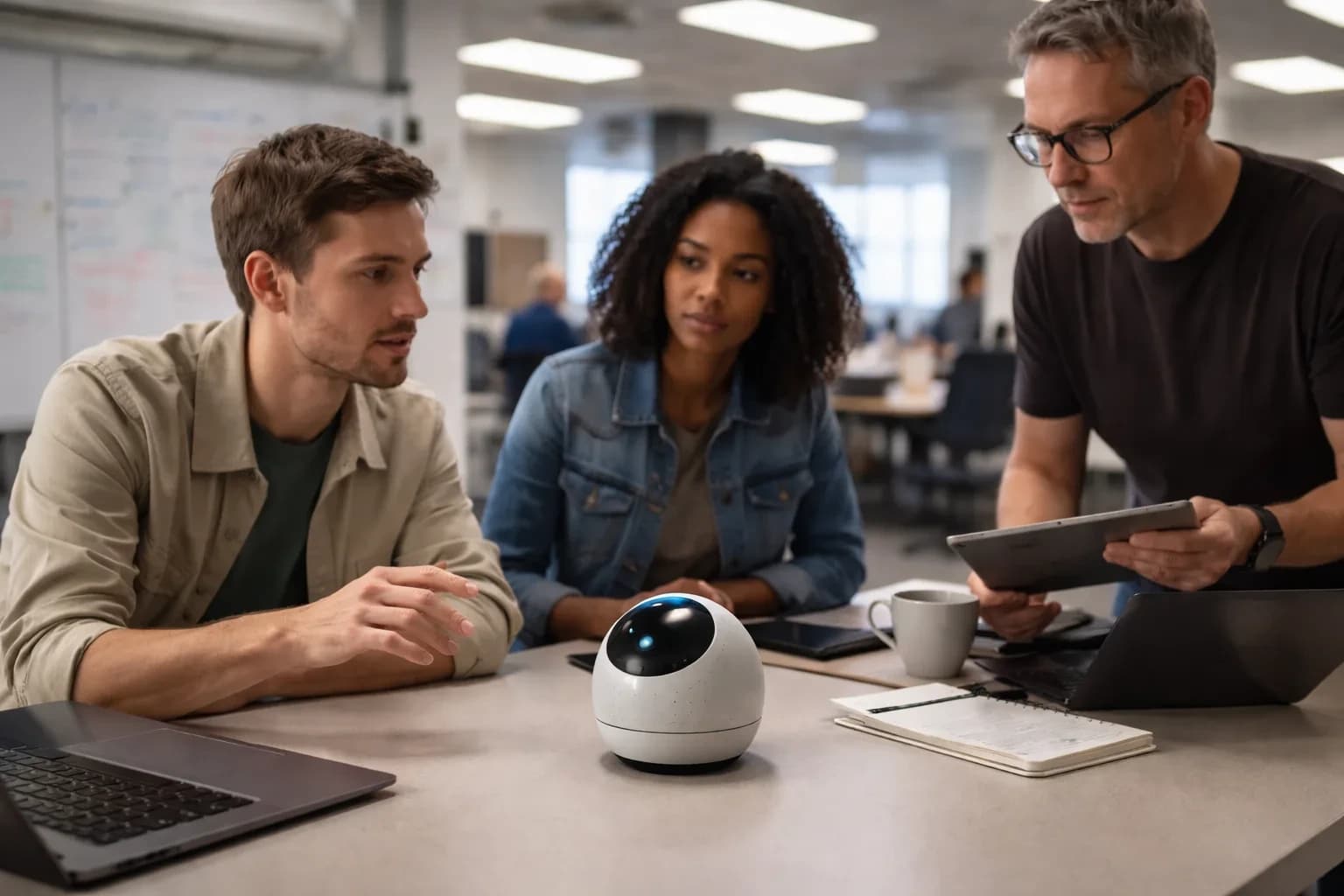
OpenAI is moving beyond the digital realm of browser-based chatbots and mobile applications to create its first physical hardware product. According to reports from Bloomberg, the artificial intelligence firm is currently developing a mobile smart speaker designed to serve as a constant companion within the home. Unlike existing smart displays from competitors like Amazon or Google, this device is reportedly screenless, focusing instead on voice interaction and deep personalization. Internal pitches for the product describe it as a humanlike AI companion, signifying a shift in how OpenAI envisions users interacting with its flagship models. The project represents a significant strategic pivot, as OpenAI seeks to embed its generative AI technology directly into the physical environments of its user base, creating a more seamless and integrated experience than software alone can provide.
What's new in this update
The most striking aspects of the newly disclosed plans involve the device’s physical design and behavior. Sources familiar with the project suggest the speaker is not a static object but rather includes mechanical elements that allow it to move on its own. This physical manifestation is intended to give the hardware a personality, allowing it to act more like a living presence than a standard piece of consumer electronics. Furthermore, the device is designed to be proactive, learning about its owner over time and drawing information from their digital life, including emails and calendars, to provide highly personalized services. This level of autonomy and data integration suggests that OpenAI is aiming for a level of intimacy and utility that transcends the capabilities of current voice assistants like Siri or Alexa.
Key details
To bring this ambitious hardware vision to life, OpenAI has recruited a significant number of former Apple engineers. These individuals reportedly include veterans who played instrumental roles in the development of iconic products such as the iPhone and the Mac. Their expertise is being leveraged to ensure that OpenAI’s hardware meets the high standards of build quality and user experience expected in the premium consumer market. The device is expected to be a physical manifestation of ChatGPT, utilizing the latest versions of OpenAI's large language models to facilitate natural, complex conversations. By pairing advanced hardware design with its industry-leading AI, OpenAI hopes to create a universal interface that redefines the relationship between humans and machines, moving away from traditional screen-based interactions.
Background and context
OpenAI’s hardware ambitions have been the subject of speculation for months, with previous rumors suggesting the company might even be developing its own smartphone. However, this entry into the smart speaker market comes at a time of heightened legal tension between OpenAI and Apple. Just last week, Apple filed a lawsuit against OpenAI, alleging that the AI company has stolen trade secrets to accelerate its hardware and software development. Apple’s legal team characterized the current allegations as merely the tip of the iceberg, suggesting that further misconduct could be uncovered during the discovery phase. OpenAI has denied any wrongdoing, asserting that its new hardware product is significantly different from anything currently offered by Apple and is unlikely to violate any protected intellectual property or trade secrets.
What to watch next
As OpenAI progresses with its hardware development, the industry will be watching closely to see how the company navigates its legal disputes while competing in an increasingly crowded AI hardware space. Other startups, such as Brett Adcock’s Hark, are also raising massive amounts of capital—including a recent seven hundred million dollar Series A—to build their own versions of personal intelligence interfaces. The upcoming legal discovery process between Apple and OpenAI will likely reveal more about the origins of this speaker and the extent of the technical overlap between the two companies. For consumers, the success of this device will depend on whether OpenAI can convince users to trust a mobile, moving, and highly data-integrated AI companion in their most private spaces, especially as privacy concerns surrounding generative AI continue to dominate the public discourse.
Why it matters
This move marks OpenAI’s transition from a software-only firm to a hardware manufacturer, placing it in direct competition with established giants like Apple and Amazon.
Read next
Follow this story through the topic hub, more ai coverage, and the latest updates.
Weekly briefing
Get the week's key developments in one concise email.
Get a fast catch-up on the biggest stories, the context behind them, and the links worth your time.
Cadence
Weekly, for a quick catch-up
Coverage
AI, business, world, security, sports
Format
Clear takeaways and useful context
Request the briefing
Leave your email to open a prepared request and get on the list for the weekly briefing.
About the byline
AI reporter
Alex Rivera reports on artificial intelligence with an emphasis on model launches, frontier lab strategy, developer tooling, and the policy decisions shaping commercial deployment.
Sources and methodology