Why Claude Was the Talk of the HumanX Conference as OpenAI's
While OpenAI prepares for a massive IPO, industry professionals at HumanX indicate a growing preference for Claude due to perceived reliability and

AI reporter
Reports on model launches, frontier labs, developer platforms, and AI policy with an emphasis on claims verification and rollout context.
Editorial responsibility: Lead reviewer for AI coverage, launch claims, and policy context
Primary source: TechCrunch AI. Full source links and update notes are below.
Fast summary
Start here
- Claude has become the dominant topic of conversation among vendors and developers at HumanX, often favored over ChatGPT for agentic tasks.
- OpenAI is facing a perception crisis following the cancellation of several side projects like Sora and the introduction of ads in ChatGPT.
- Despite the competitive shift, both Anthropic and OpenAI remain the fastest-growing businesses in tech history as they battle for enterprise dominance.
What happened
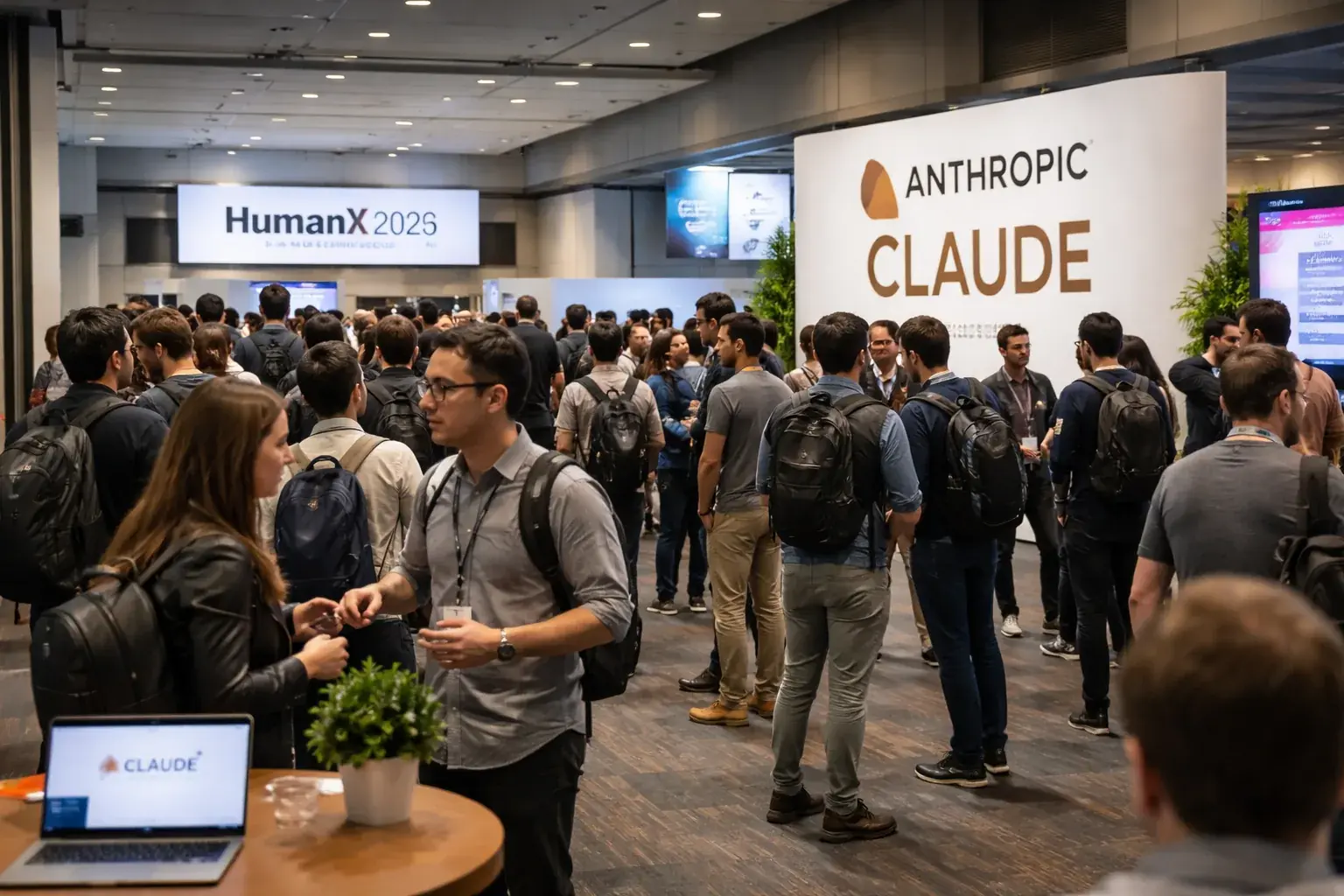
At the HumanX conference, many developers, founders, and vendors reportedly spent more time talking about Anthropic's Claude than ChatGPT, signaling a notable shift in sentiment within the AI industry. That does not mean OpenAI has disappeared from the conversation or lost commercial relevance. It means that among sophisticated conference attendees, Claude is increasingly being treated as the model people reach for when they care most about reliability, agent-style workflows, and enterprise comfort.
In fast-moving markets, changes in conference-floor sentiment are not trivial. They often reveal where influential users think the product gap is opening.
Why Claude stood out at HumanX
The Claude vs ChatGPT comparison matters because these are no longer just consumer-facing chatbot brands. They are becoming proxies for different philosophies of AI deployment. Claude is increasingly associated with steadiness, enterprise usability, and thoughtful workflow performance. ChatGPT still carries the strongest mainstream brand recognition, but conference attendees appear to be signaling that brand dominance is no longer enough on its own.
At events like HumanX, the most discussed tools are often the ones people actually trust to handle real work. That is why this shift deserves attention.
Why OpenAI is facing a perception challenge
Part of the backdrop is that OpenAI appears to be navigating a more complicated public moment. Leadership scrutiny, product narrative confusion, and complaints about shifting priorities can all influence how developers talk about a platform, even if the underlying business remains powerful.
This is especially true in enterprise AI, where perception is tied closely to procurement confidence. Companies choosing a core model provider do not only evaluate benchmark scores. They also assess stability, governance, roadmap clarity, and whether the vendor seems focused on customer needs rather than strategic drift.
If enough high-value users start saying Claude feels more reliable, that can shape purchasing behavior long before market-share data visibly catches up.
Why enterprise users may be drifting toward Claude
The Anthropic Claude popularity at HumanX story appears to reflect a practical preference more than a hype cycle. Enterprise and developer users often care most about:
- Predictable output quality
- Better performance on long or complex tasks
- Lower perceived drama around leadership and product direction
- Confidence that the model is being optimized for business workflows
Those are exactly the areas where Claude's reputation seems to be strengthening. The conference chatter suggests Anthropic is benefiting not only from product quality, but from contrast.
Why this does not mean OpenAI is finished
It would be a mistake to overread one conference. ChatGPT remains one of the most important products in the history of AI, and OpenAI still commands immense distribution, mindshare, and financial power. The bigger point is not that Claude has permanently replaced ChatGPT. It is that the market now feels competitive enough that elite users are openly reconsidering default choices.
That is a sign of maturity. In the earliest phase of the generative AI boom, one company could dominate both headlines and user imagination. As the market matures, users become more selective and less loyal to brand alone.
Why conference sentiment matters strategically
Events like HumanX are where tool builders, enterprise buyers, consultants, and developers trade real opinions before those opinions harden into formal strategy. If Claude was the model people were spontaneously recommending in hallways and demos, that becomes valuable intelligence for rivals, investors, and customers alike.
In AI markets, reputational momentum among power users can become a real commercial asset.
What to watch next
The next question is whether this Claude popularity translates into measurable enterprise gains, deeper integration wins, or more developer-default usage over time. Watch too for how OpenAI responds, both in product positioning and in rebuilding confidence among advanced users who now seem more willing to compare rather than assume.
Why this matters
The Anthropic's Claude eclipses ChatGPT in popularity at HumanX conference story matters because it suggests the AI market is entering a more discriminating phase. Sophisticated users are no longer choosing mostly on who arrived first. They are choosing on who feels most dependable for the work they actually need done.
Related coverage
Why it matters
This shift suggests that the AI market is maturing beyond name recognition, with sophisticated users prioritizing functional reliability and corporate stability over brand hype.
Read next
Follow this story through the topic hub, more ai coverage, and the latest updates.
Weekly briefing
Get the week's key developments in one concise email.
Get a fast catch-up on the biggest stories, the context behind them, and the links worth your time.
Cadence
Weekly, for a quick catch-up
Coverage
AI, business, world, security, sports
Format
Clear takeaways and useful context
Request the briefing
Leave your email to open a prepared request and get on the list for the weekly briefing.
About the byline
AI reporter
Alex Rivera reports on artificial intelligence with an emphasis on model launches, frontier lab strategy, developer tooling, and the policy decisions shaping commercial deployment.
Sources and methodology