US Pays $3M to Havana Syndrome Victims Among Spies and Diplomats
The Department of Defense begins compensation for staff reporting neurological symptoms under the Havana Act, though the cause remains a mystery.

World correspondent
Reports on international affairs, diplomacy, and humanitarian developments with an emphasis on official statements, multilateral institutions, and regional context.
Editorial responsibility: Lead reviewer for geopolitics, international institutions, and crisis coverage
Primary source: BBC World News. Full source links and update notes are below.
Fast summary
Start here
- Nearly $3 million in payments has been distributed to US personnel and families affected by anomalous health incidents.
- The compensation is authorized under the 2021 Havana Act to support those reporting neurological damage while serving abroad.
- Despite the financial support, US intelligence agencies maintain that a foreign weapon attack is very unlikely as the cause.
What happened
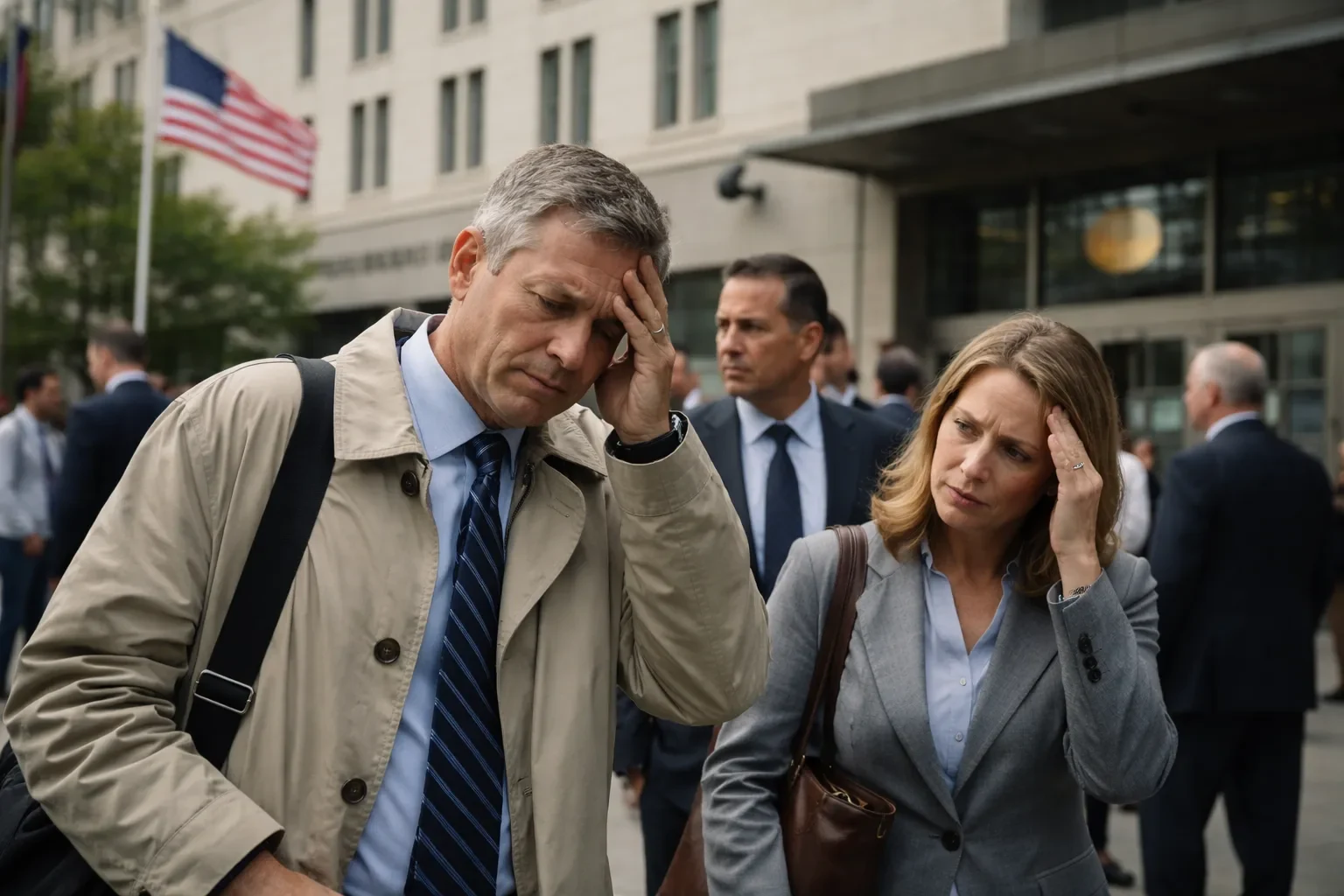
The United States government has officially begun distributing financial compensation to personnel suffering from the mysterious neurological condition known as Havana Syndrome. In a major administrative development, the Department of Defense confirmed that nearly $3 million has been paid out to victims, including diplomats, intelligence officers, and their family members. These payments represent the first of their kind to be processed under the Havana Act, a law signed in 2021 specifically to provide relief for those afflicted by anomalous health incidents. While reports of these symptoms began emerging nearly a decade ago, this move signals a formal commitment by the US government to address the long-term health consequences faced by its overseas staff and recognizes the physical toll taken on those serving in foreign outposts.
What's new in this update
This specific allocation of approximately $3 million marks a pivotal shift from the era of investigation to one of active victim support. Previously, the focus of the US government was primarily on identifying the source or weapon responsible for the debilitating symptoms reported by staff. By initiating these payments, the Department of Defense is prioritizing the care of affected personnel regardless of whether a definitive cause for their condition has been established. This update follows years of public testimony from former officials, such as CIA analyst Erika Stith, who have described the profound physical and professional impact of the syndrome. The payout serves as a tangible validation of the trauma experienced by these civil servants, many of whom have described their brains as broken following their service in high-risk foreign environments like Havana and Guangzhou.
Key details
The symptoms associated with Havana Syndrome are both varied and severe, often described as sensory phenomena that precede lasting neurological damage. Victims have reported hearing piercing sounds at night, including low hums, clicking, squealing, and the sound of grinding metal. Beyond auditory sensations, many suffered from intense pressure inside the skull, persistent dizziness, nausea, and difficulty concentrating. While the phenomenon was initially linked to the US embassy in Havana, Cuba, in late 2016, similar incidents have since been reported by American personnel stationed in China and even those working within Washington, D.C. The wide-ranging nature of these reports prompted a massive inter-agency investigation to determine if a foreign power was utilizing a novel sonic or microwave weapon against US interests, although no definitive weapon has been recovered.
Background and context
The mystery of Havana Syndrome has been a source of significant diplomatic friction and internal debate within the US intelligence community for years. After the initial reports in Cuba, the US government took the drastic step of withdrawing more than half of its staff from its Havana embassy in 2017. Canada followed suit in 2019 after its own employees reported similar ailments. Despite the high level of concern, a 2023 assessment by the National Intelligence Council concluded that it was very unlikely that a foreign adversary was behind the incidents. Most agencies suggested that the symptoms could not be tied to a prototype device or weapon. However, the report was careful to state that the suffering of the individuals was genuine and physical, rather than psychosomatic, even if the origin remains elusive to modern intelligence and medical science.
What to watch next
As the Department of Defense continues to roll out payments under the Havana Act, observers will be watching for other federal agencies to expedite their own compensation processes for staff. The ongoing tension between the intelligence community's findings and the lived experiences of the victims remains a point of contention. While the majority of agencies have moved away from the theory of a foreign attack, a small segment of the community has not entirely dismissed the possibility. Future developments may include updated medical research into the long-term effects of these incidents or potential new evidence that could challenge the current consensus on the lack of a foreign actor. For now, the focus remains on providing medical and financial stability to those whose lives were disrupted while serving the country, ensuring they receive the care they deserve for their reported service-related injuries.
Why it matters
This represents the first formal financial acknowledgement and aid for government employees who have suffered career-ending or traumatic neurological symptoms.
Read next
Follow this story through the topic hub, more world coverage, and the latest updates.
Weekly briefing
Get the week's key developments in one concise email.
Get a fast catch-up on the biggest stories, the context behind them, and the links worth your time.
Cadence
Weekly, for a quick catch-up
Coverage
AI, business, world, security, sports
Format
Clear takeaways and useful context
Request the briefing
Leave your email to open a prepared request and get on the list for the weekly briefing.
About the byline
World correspondent
Leila Haddad covers world affairs, diplomacy, and humanitarian crises, with a focus on how fast-moving international developments affect public policy, conflict response, and cross-border institutions.
Sources and methodology