Trump Admin Subpoenas NYT Reporters Over Air Force One News
New York Times reporters face a grand jury after disclosing Secret Service concerns about the lack of antimissile systems on the president's new luxury

World correspondent
Reports on international affairs, diplomacy, and humanitarian developments with an emphasis on official statements, multilateral institutions, and regional context.
Editorial responsibility: Lead reviewer for geopolitics, international institutions, and crisis coverage
Primary source: BBC World News. Full source links and update notes are below.
Fast summary
Start here
- Federal agents delivered subpoenas to the homes of New York Times reporters following their investigation into presidential aircraft security.
- The Department of Justice is seeking the source of classified leaks regarding vulnerabilities in the Qatari-gifted Boeing 747-8 used by the president.
- New York Times legal counsel called the move a brazen act of intimidation intended to prevent the public from knowing the facts about government operations.
What happened
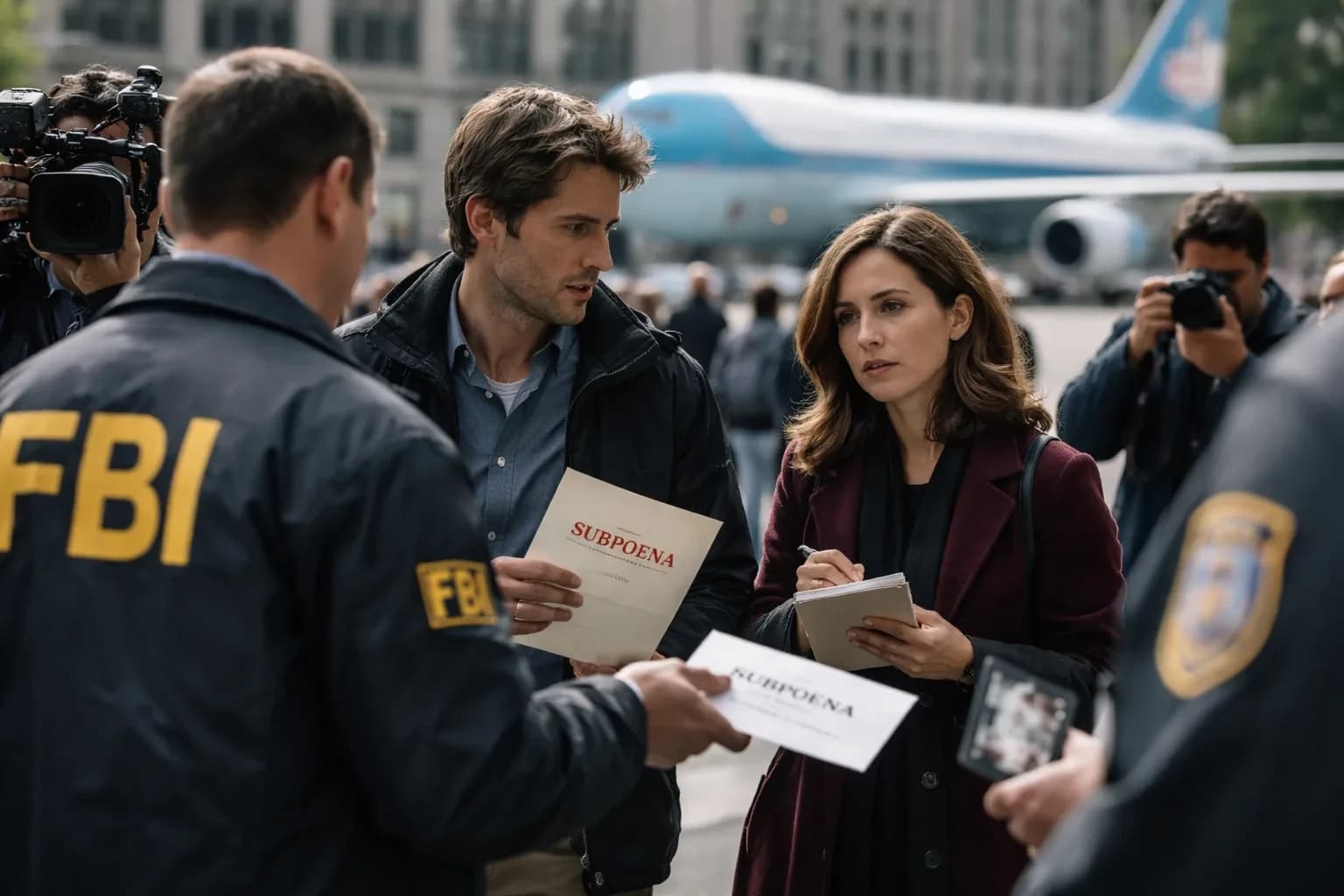
Several New York Times journalists have been officially summoned to testify under oath before a federal grand jury following their recent reporting on the security vulnerabilities of President Donald Trump's newest Air Force One aircraft. The subpoenas were delivered directly to the homes of the journalists by federal agents, marking a significant escalation in the administration's efforts to identify the sources of leaked classified information. The New York Times disclosed that these legal orders require the reporters to appear in Manhattan to provide testimony regarding potential violations of federal criminal law. The core of the issue lies in stories published by the newspaper alleging that a luxury jet gifted by the Qatari government and repurposed for presidential use may not meet the stringent security requirements necessary for transporting the Commander-in-Chief during high-stakes international diplomatic missions.
What's new in this update
The Department of Justice (DoJ) provided a statement clarifying its position on the subpoenas, stating that the journalists themselves are not the intended targets of the criminal investigation. Instead, the DoJ is focused on identifying those responsible for leaking highly classified information to the media. While the government acknowledges the important role the press plays in American society, it emphasized the legal obligation of officials entrusted with national secrets to protect that information. David McCraw, the top newsroom lawyer for the Times, issued a sharp rebuke of the administration's actions, characterizing the subpoenas as a brazen act and an attempt to intimidate journalists. McCraw argued that the summonses are intended to prevent the public from understanding how their government functions, particularly regarding the use of taxpayer dollars and the safety of the executive branch.
Key details
The security concerns at the heart of the reporting involve a Boeing 747-8 jet that the Qatari government donated to the United States as an unconditional gift last year. Valued at approximately $400 million, the luxury jumbo jet was modified by the Air Force to include advanced communications and security upgrades. However, the New York Times reported that security officials were deeply concerned that the aircraft lacked essential defensive features, most notably advanced antimissile capabilities. During a recent NATO summit in Turkey, the Secret Service reportedly advised President Trump to switch from the new Qatari-gifted plane to an older, more established Air Force One model for his return flight to the United States. These reports were later mirrored by other major news outlets, including CBS News, which cited former government officials noting that time and budget constraints had hampered the necessary security updates.
Background and context
This legal confrontation occurs against a backdrop of heightened international tension and complex diplomatic negotiations. At the time the security concerns were first reported, the United States was navigating a fragile negotiated ceasefire deal regarding Iran while simultaneously conducting military strikes. President Trump has publicly dismissed the reports of security flaws, telling reporters that he faces threats constantly regardless of his mode of transportation. The Air Force has defended the modifications made to the Qatari jet, asserting that any potential threats associated with the previously owned aircraft were neutralized through its technological and logistical upgrades. The controversy underscores the friction between the administration's acceptance of high-value foreign gifts and the rigorous, often expensive, security standards required for the presidential fleet, which typically involves years of specialized engineering by American defense contractors.
What to watch next
The immediate next step in this legal battle is the scheduled appearance of the New York Times reporters before the Manhattan grand jury this coming Wednesday. Legal experts and press freedom advocates are closely watching to see if the Times will move to quash the subpoenas on First Amendment grounds. While the US Constitution protects the right of the press to report on matters of public interest, the government has broad powers to investigate the mishandling of classified data. The outcome of this grand jury proceeding could set a significant precedent for how the Department of Justice handles future leaks and the extent to which it can compel testimony from journalists. Furthermore, the debate over the airworthiness and safety of the unconditional Qatari gift is likely to continue in Congress, where lawmakers may seek more transparency regarding the modifications and the Secret Service's specific recommendations.
Why it matters
This legal escalation marks a significant clash between the executive branch's power to protect classified secrets and the constitutional protections of the press.
Read next
Follow this story through the topic hub, more world coverage, and the latest updates.
Weekly briefing
Get the week's key developments in one concise email.
Get a fast catch-up on the biggest stories, the context behind them, and the links worth your time.
Cadence
Weekly, for a quick catch-up
Coverage
AI, business, world, security, sports
Format
Clear takeaways and useful context
Request the briefing
Leave your email to open a prepared request and get on the list for the weekly briefing.
About the byline
World correspondent
Leila Haddad covers world affairs, diplomacy, and humanitarian crises, with a focus on how fast-moving international developments affect public policy, conflict response, and cross-border institutions.
Sources and methodology