NYT Journalists Subpoenaed Over Air Force One Security Reports
Several New York Times reporters face grand jury summonses following their reporting on alleged security flaws in President Trump's new luxury jet.

World correspondent
Reports on international affairs, diplomacy, and humanitarian developments with an emphasis on official statements, multilateral institutions, and regional context.
Editorial responsibility: Lead reviewer for geopolitics, international institutions, and crisis coverage
Primary source: BBC World News. Full source links and update notes are below.
Fast summary
Start here
- Federal agents delivered subpoenas to journalists' homes demanding testimony before a Manhattan grand jury.
- The investigation targets leaks regarding security vulnerabilities in the new Qatari-gifted Air Force One.
- The New York Times has condemned the move as an attempt to intimidate the press and hide government actions.
What happened
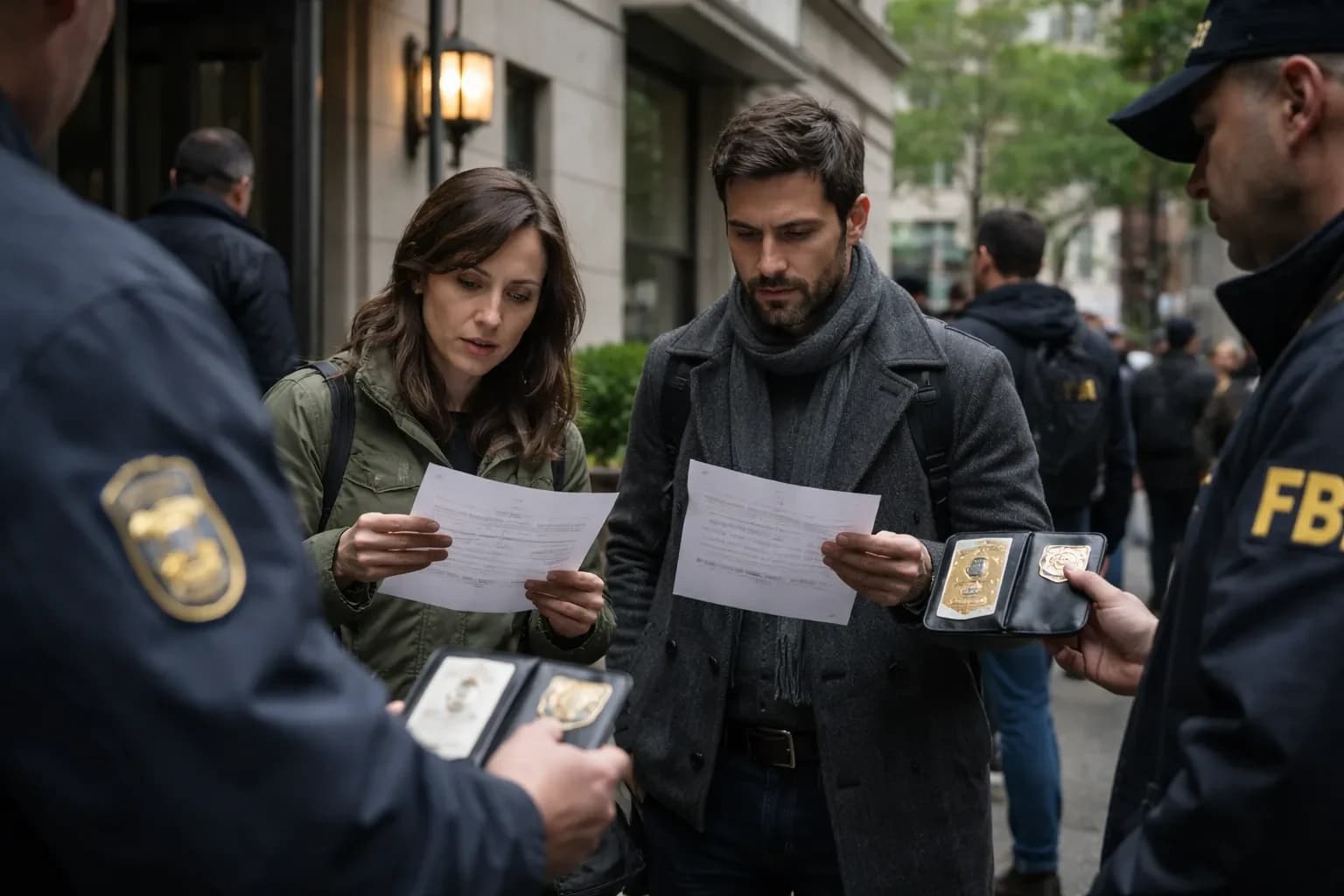
The Trump administration has escalated its confrontation with the media by issuing subpoenas to several New York Times journalists. These legal orders require the reporters to testify under oath before a federal grand jury in Manhattan. The move follows a series of investigative reports concerning security vulnerabilities associated with the President's new Air Force One aircraft. Federal agents reportedly delivered these subpoenas directly to the homes of the journalists involved, signaling a significant move in a criminal investigation into the disclosure of classified information. The New York Times confirmed that the subpoenas cite a potential violation of federal criminal law, compelling the reporters to provide testimony regarding their sources and the process by which they obtained sensitive data about the executive fleet's operational security protocols.
What's new in this update
The Justice Department has clarified its position in a statement, asserting that the journalists themselves are not the primary targets of the investigation. Instead, the department maintains that the grand jury is focused on identifying the individuals responsible for the illegal leaks of classified information. However, the New York Times' lead newsroom lawyer, David McCraw, has condemned the administration's actions, describing the subpoenas as a brazen act intended to intimidate the press. McCraw argues that the move is an attempt to prevent the American public from understanding the inner workings of their government and how taxpayer-funded resources are managed. The Justice Department countered that while they respect the role of the press, they have a paramount duty to ensure that individuals entrusted with national secrets do not share classified information.
Key details
The controversy stems from reporting that alleged the new Boeing 747-8, a luxury jet gifted by Qatar, lacked the necessary defensive capabilities to serve as the primary presidential transport. According to the New York Times, the Secret Service grew so concerned about the aircraft's security features, specifically its lack of advanced antimissile systems, that they advised President Trump to switch to an older, more secure plane for his return flight from a recent Nato summit in Turkey. The investigative reports suggested that the transition to the new jet was rushed and that the modifications required for high-level security, mission communications, and logistics were not fully completed to satisfy standard safety requirements. These disclosures prompted the current federal inquiry into how specific details of presidential security logistics reached the public domain.
Background and context
The aircraft at the center of the dispute is a Boeing 747-8 jumbo jet, valued at approximately $400 million, which was donated by the Qatari government last year as an unconditional gift to the United States. President Trump personally unveiled the plane as part of the modern Air Force One fleet, touting its luxury and advanced technology. While the Air Force previously stated that the jet had undergone extensive modifications to neutralize any potential security threats inherent in a pre-owned aircraft, the subsequent reporting by the New York Times and its partners, including CBS News, cast doubt on those assurances. The legal tension highlights a long-standing debate in American law: the conflict between the executive branch's authority to protect classified information and the First Amendment rights of the press to report on matters of public interest.
What to watch next
The summoned journalists are scheduled to appear before the grand jury in Manhattan this coming Wednesday. This appearance will likely serve as a flashpoint for legal challenges, as media rights advocates and the New York Times are expected to argue that the subpoenas infringe upon the constitutional protection of journalistic sources. Observers will be watching to see if the journalists refuse to testify, which could lead to a protracted legal battle over reporter's privilege and potential contempt of court charges. Additionally, the outcome of the grand jury's investigation could lead to criminal charges against the anonymous government officials who provided the information. As tensions remain high regarding international diplomacy and national security, the administration's handling of this leak investigation will be closely scrutinized for its impact on future investigative reporting.
Why it matters
This escalation marks a significant conflict between national security interests and the First Amendment protections that allow journalists to report on government operations.
Read next
Follow this story through the topic hub, more world coverage, and the latest updates.
Weekly briefing
Get the week's key developments in one concise email.
Get a fast catch-up on the biggest stories, the context behind them, and the links worth your time.
Cadence
Weekly, for a quick catch-up
Coverage
AI, business, world, security, sports
Format
Clear takeaways and useful context
Request the briefing
Leave your email to open a prepared request and get on the list for the weekly briefing.
About the byline
World correspondent
Leila Haddad covers world affairs, diplomacy, and humanitarian crises, with a focus on how fast-moving international developments affect public policy, conflict response, and cross-border institutions.
Sources and methodology