US and Iran Set for Direct Talks in Switzerland Amid Strait of
Vice President JD Vance and Iranian officials meet to discuss nuclear issues and the Lebanon ceasefire despite new military tensions in the Persian Gulf.

World correspondent
Reports on international affairs, diplomacy, and humanitarian developments with an emphasis on official statements, multilateral institutions, and regional context.
Editorial responsibility: Lead reviewer for geopolitics, international institutions, and crisis coverage
Primary source: BBC World News. Full source links and update notes are below.
Fast summary
Start here
- Direct negotiations between US and Iranian delegations are scheduled to begin Sunday in Switzerland.
- Iran's military claimed it closed the Strait of Hormuz in response to Israeli strikes, though the US military reports traffic continues to flow.
- The talks aim to build on a preliminary agreement signed this week to end regional hostilities and address nuclear concerns.
What happened
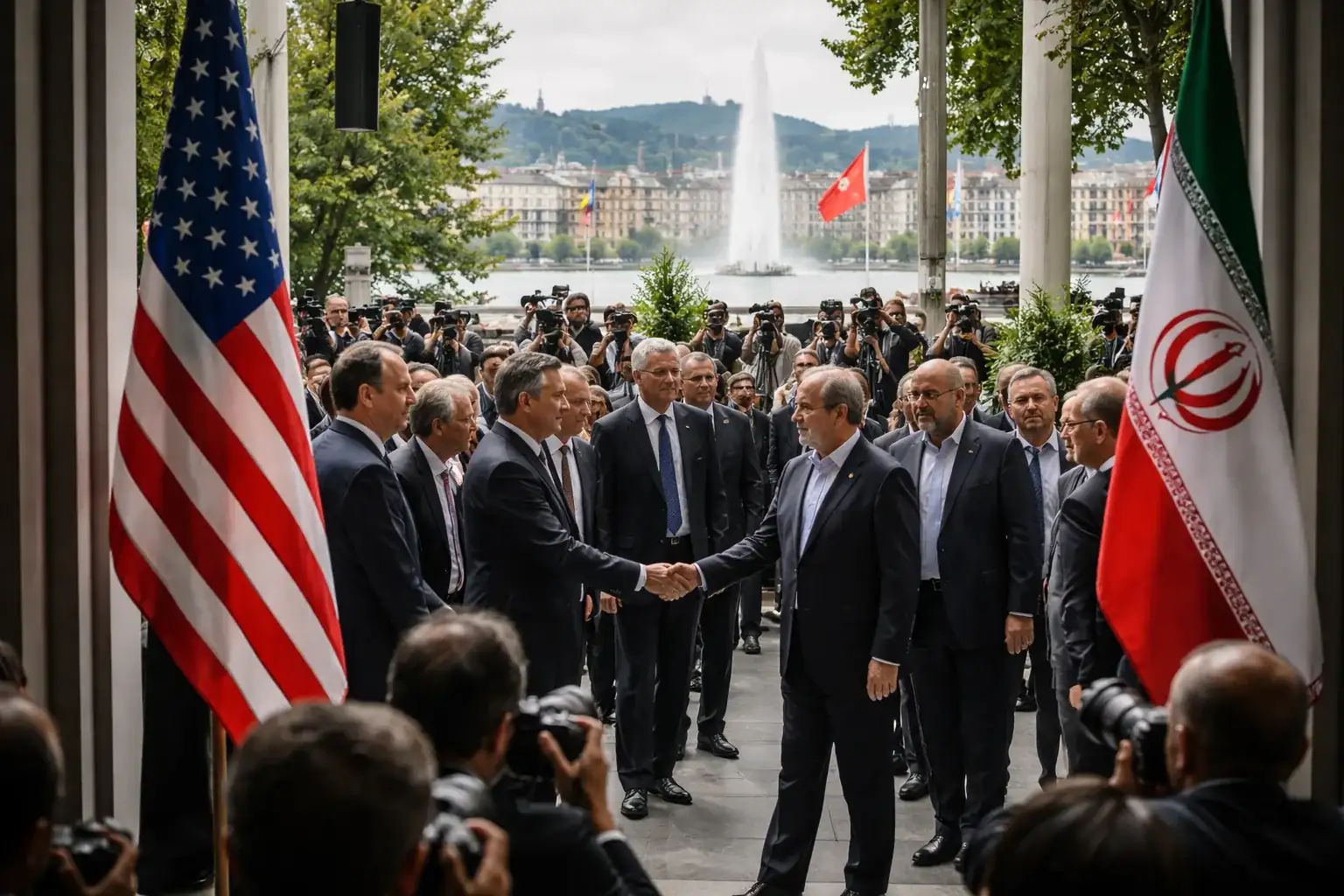
Senior officials from the United States and Iran are meeting in Switzerland for direct talks at a moment when diplomacy is being strained by military escalation and disputed claims over the Strait of Hormuz. The talks are expected to cover both nuclear issues and efforts to stabilize the broader regional crisis linked to fighting in Lebanon.
The setting alone would make the negotiations important. What raises the stakes further is the timing. Iran says it has moved to close the Strait of Hormuz in response to Israeli strikes, while US officials insist shipping traffic continues. That gap between claim and counterclaim creates a volatile backdrop for any attempt at de-escalation.
Why the Strait of Hormuz dispute matters
The Strait of Hormuz is one of the world's most important energy chokepoints, connecting Gulf producers to global markets. Even an unverified threat to restrict passage can move oil prices, shake insurers, and trigger military alertness across the region.
That is why the dispute around the strait is larger than a single tactical announcement. If Iran is signaling willingness to challenge maritime traffic, it is raising the cost of continued confrontation. If the United States is publicly dismissing the claim, it may be trying to prevent panic, preserve market confidence, and deny Tehran the appearance of having changed the operational reality at sea.
The talks are about more than one flashpoint
Although the latest tension centers on Hormuz and the Lebanon front, the US-Iran meeting also sits within a longer and harder diplomatic file. Nuclear concerns remain unresolved, mistrust is entrenched, and each side is trying to negotiate while managing other actors it does not fully control.
That includes Israel, whose military actions in Lebanon continue to shape the atmosphere, and Hezbollah, which views outside diplomacy through the lens of battlefield pressure. A ceasefire framework may exist on paper, but turning it into something durable requires more than signatures. It requires enough influence over armed actors to stop the cycle of retaliation.
Why Switzerland matters
Switzerland has long served as a channel for sensitive diplomacy involving states that do not trust one another enough for ordinary bilateral engagement. Holding the talks there underscores that both Washington and Tehran still see value in a controlled, face-to-face setting even while accusing each other of bad faith in public.
That is significant because diplomacy often survives on narrow margins. The fact that delegations are meeting at all suggests both sides believe the alternative, direct escalation with no political outlet, is more dangerous.
What each side wants
The United States wants to prevent the Lebanon crisis from expanding, protect shipping through the Gulf, and keep the nuclear issue from becoming entangled with a fast-moving regional war. Iran wants relief from pressure, recognition of its role in regional security decisions, and leverage over a process it believes has too often ignored its red lines.
Neither side is negotiating from a position of trust. Both are negotiating from a position of risk management.
What to watch next
The first question is whether the Switzerland talks produce even a minimal shared understanding on maritime access and escalation thresholds. The second is whether any progress can survive events on the ground in Lebanon and the Gulf. If fresh strikes or an actual shipping disruption occur, diplomacy could narrow quickly.
Why this matters
The US-Iran talks in Switzerland matter because they sit at the intersection of nuclear diplomacy, regional war prevention, and global energy stability. When negotiations begin under the shadow of a possible Hormuz crisis, every statement carries strategic weight. Success would not solve the Middle East's deeper conflicts, but failure could make several of them harder to contain at once.
Related coverage
Why it matters
The success of these talks is critical for preventing a broader regional war and ensuring the stability of global energy markets linked to the Strait of Hormuz.
Read next
Follow this story through the topic hub, more world coverage, and the latest updates.
Weekly briefing
Get the week's key developments in one concise email.
Get a fast catch-up on the biggest stories, the context behind them, and the links worth your time.
Cadence
Weekly, for a quick catch-up
Coverage
AI, business, world, security, sports
Format
Clear takeaways and useful context
Request the briefing
Leave your email to open a prepared request and get on the list for the weekly briefing.
About the byline
World correspondent
Leila Haddad covers world affairs, diplomacy, and humanitarian crises, with a focus on how fast-moving international developments affect public policy, conflict response, and cross-border institutions.
Sources and methodology