US Initiates Phased Drawdown of HIV Funding to South Africa
The Trump administration is cutting roughly $400 million in annual aid, linking the decision to alleged discrimination against the white-minority Afrikaner

World correspondent
Reports on international affairs, diplomacy, and humanitarian developments with an emphasis on official statements, multilateral institutions, and regional context.
Editorial responsibility: Lead reviewer for geopolitics, international institutions, and crisis coverage
Primary source: BBC World News. Full source links and update notes are below.
Fast summary
Start here
- The US State Department confirmed a phased reduction of Pepfar funding, which previously contributed $400 million annually to South Africa's HIV efforts.
- President Trump cited unjust practices, including the alleged persecution of Afrikaners and South Africa's legal actions against Israel, as reasons for the cut.
- South Africa’s health ministry stated that while Pepfar supported programs, the majority of life-saving antiretroviral drugs are already government-funded.
What happened
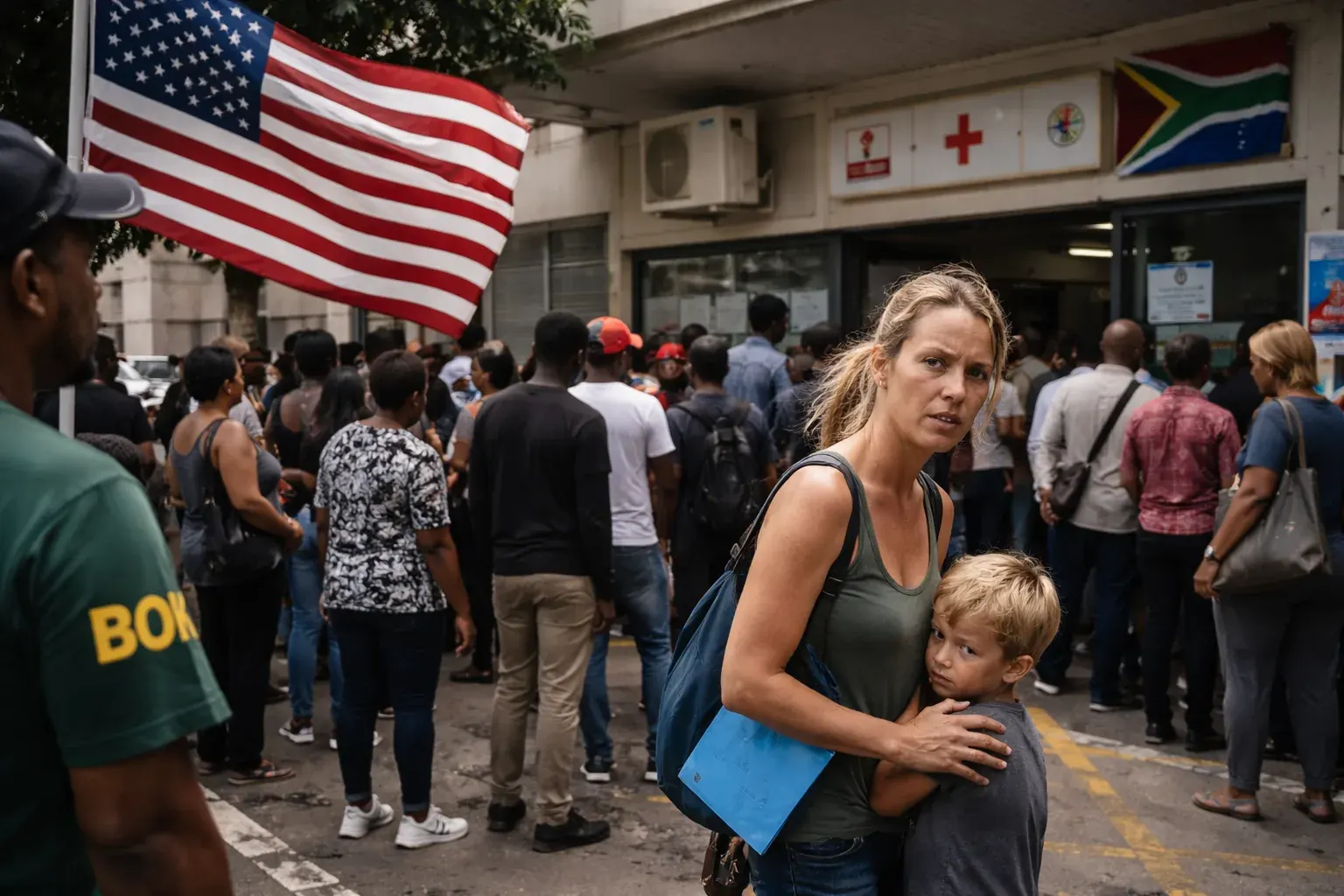
The United States has begun halting HIV funding to South Africa through a phased drawdown tied to claims by the Trump administration that the South African government is mistreating Afrikaners and failing to respond to broader US political demands. The policy affects a major stream of support previously associated with Pepfar, the long-running American HIV/AIDS program that has played a major role in treatment and prevention efforts across southern Africa.
That makes the US South Africa HIV funding dispute about more than foreign aid accounting. It links public health financing to a politically charged argument over Afrikaner persecution claims, diplomatic tension, and the future of one of the world's most important HIV response systems.
Why this funding cut matters immediately
South Africa has the largest HIV-positive population in the world, so even a phased withdrawal of hundreds of millions of dollars carries symbolic and practical consequences. The South African government has emphasized that it already funds most antiretroviral treatment directly, which may reduce the risk of an immediate treatment collapse. But Pepfar support has long mattered across staffing, prevention programs, monitoring systems, and community-based delivery.
That distinction is crucial. A country can still purchase life-saving drugs while facing real pressure in the broader public-health infrastructure that helps get those drugs to people consistently and keeps infection prevention efforts functioning.
Why the Afrikaner claim is so controversial
The Trump administration has tied the decision to claims that Afrikaners are facing persecution or unjust treatment inside South Africa. That framing is deeply controversial because it shifts the basis of a major HIV funding decision away from traditional health or development metrics and toward a politically contested human-rights narrative. South Africa, for its part, rejects the idea that such claims justify this kind of punitive aid action.
This is why the funding cut is being read as both diplomatic and ideological. It is not merely a debate over program efficiency. It is a confrontation over how Washington is choosing to define South Africa's domestic politics and which grievances it considers actionable at the level of foreign policy.
Pepfar is not a normal aid program
Pepfar has historically been one of the most significant US global health initiatives, especially in countries heavily affected by HIV/AIDS. That matters because cuts under this banner send a different signal than narrower bilateral policy disputes. They touch a program associated with large-scale humanitarian outcomes, long-term health partnerships, and the prevention of mass mortality.
When funding tied to such a program is reduced for political reasons, critics naturally ask whether the burden will fall less on governments than on clinics, prevention outreach, data systems, and vulnerable communities that do not control the underlying diplomatic dispute.
The broader US-South Africa relationship is also deteriorating
This funding move does not stand alone. It sits inside a larger deterioration in relations between Washington and Pretoria, including disagreement over South Africa's positions on Israel, Iran, and other international issues. The HIV funding decision therefore functions as both a public-health disruption and a diplomatic instrument.
That matters because it increases the risk that future disputes will also be expressed through development or health channels. Once aid becomes openly entangled with broader ideological conflict, every related program starts to look less stable.
What South Africa is likely to do next
South Africa will almost certainly emphasize self-reliance and try to reassure the public that treatment access will continue. The harder problem may lie in the medium term: covering prevention, support services, and system capacity that US money helped sustain. If the government has to absorb the funding gap more fully, trade-offs elsewhere in the public budget may follow.
The public-health question is not only whether drugs remain available now. It is whether the wider HIV response can stay as effective over time under increased fiscal pressure.
What to watch next
Watch for details on which Pepfar-linked programs are reduced first, how quickly South Africa reallocates domestic funding, and whether infection-prevention or clinic-support systems show early strain. Also watch whether the White House expands this dispute rhetorically, because that will indicate whether the funding cut is an isolated punishment or part of a wider effort to pressure Pretoria politically.
Why this matters
This decision matters because it turns a critical HIV funding relationship into a vehicle for diplomatic confrontation. Even if South Africa can protect core drug access, the drawdown still raises serious questions about prevention, health infrastructure, and whether life-saving aid is being subordinated to a politically explosive argument over Afrikaner persecution and bilateral tension.
Why it matters
This move marks a significant shift in US-South Africa relations and places the fiscal burden of supporting the world's largest HIV-positive population more heavily on the South African government.
Read next
Follow this story through the topic hub, more world coverage, and the latest updates.
Weekly briefing
Get the week's key developments in one concise email.
Get a fast catch-up on the biggest stories, the context behind them, and the links worth your time.
Cadence
Weekly, for a quick catch-up
Coverage
AI, business, world, security, sports
Format
Clear takeaways and useful context
Request the briefing
Leave your email to open a prepared request and get on the list for the weekly briefing.
About the byline
World correspondent
Leila Haddad covers world affairs, diplomacy, and humanitarian crises, with a focus on how fast-moving international developments affect public policy, conflict response, and cross-border institutions.
Sources and methodology