US Lifts Iran Blockade After Supreme Leader Backs Preliminary Peace Deal
The naval standoff ends as Tehran's leadership claims the Trump administration sought the agreement out of desperation.
Primary source: BBC World News. Full source links and update notes are below.
Fast summary
Start here
- US Central Command confirmed the end of the blockade following the signing of a 14-point Memorandum of Understanding.
- Iran's Supreme Leader Mojtaba Khamenei publicly supported the deal for the first time, citing the need to protect national rights.
- The agreement establishes a 60-day window for technical negotiations and includes provisions for a $300 billion reconstruction fund.
What happened
The United States has officially ended its naval blockade of Iran, a move confirmed by US Central Command in accordance with presidential direction. This de-escalation follows the signing of a memorandum intended to end hostilities in the Middle East. While some US vessels will remain in the general area, the formal restriction on Iranian maritime access has been withdrawn as both nations move toward a structured peace process.
What's new in this update
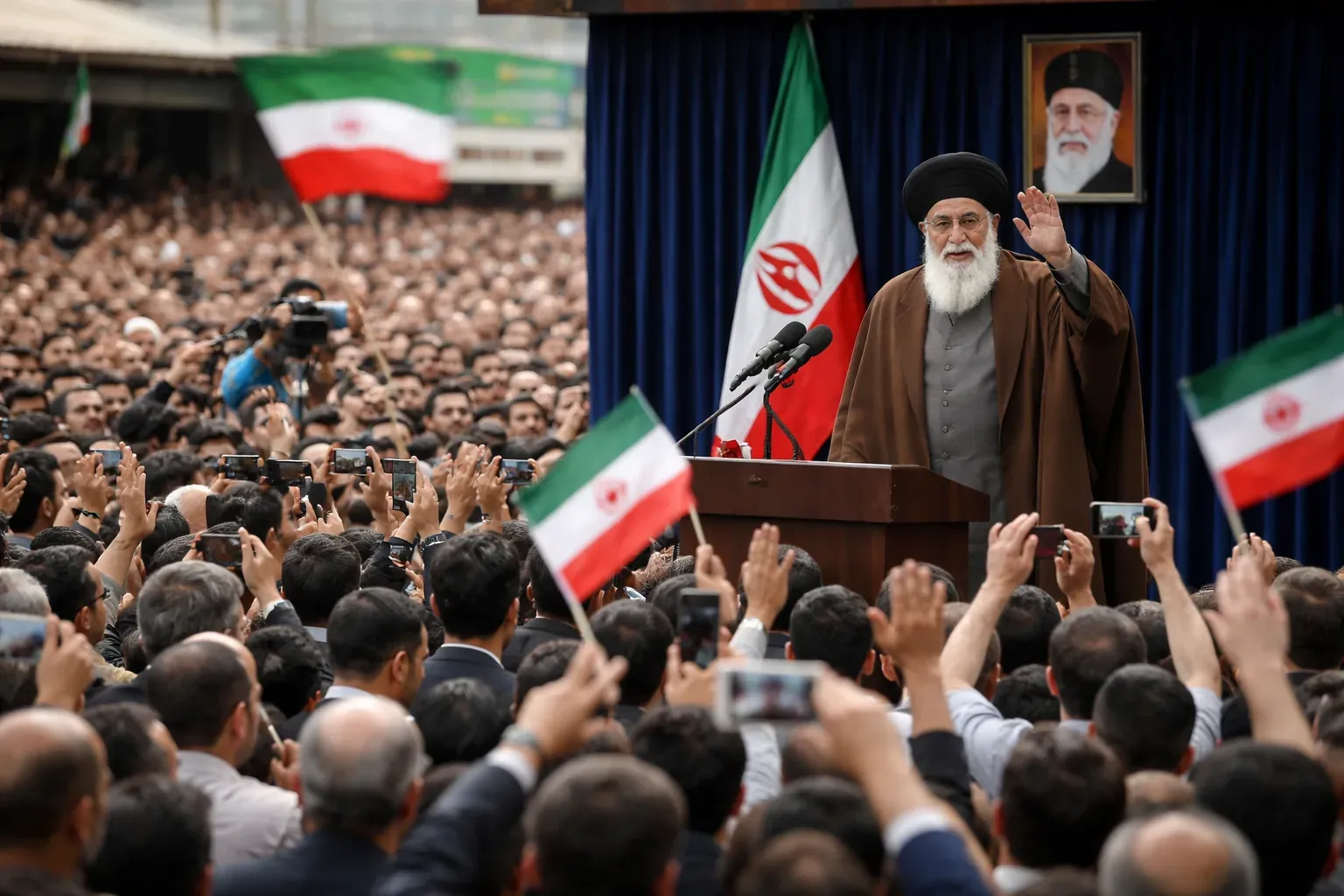
Iran's Supreme Leader Mojtaba Khamenei issued his first public response to the agreement, stating he approved the deal despite personal reservations. Khamenei claimed that President Donald Trump used "all kinds of leverage" to secure the pact out of "desperation." Meanwhile, a planned signing ceremony in Switzerland was cancelled after Pakistan, acting as a mediator, confirmed the deal had already been signed remotely.
Key details
The agreement centers on 14 core points, most notably the reopening of the Strait of Hormuz and a prohibition on Iran developing nuclear weapons. It also outlines a $300 billion fund for Iranian reconstruction and economic development, though the US is not obligated to contribute directly. The deal initiates a "maximum" 60-day period to finalize a permanent agreement, with US Vice President JD Vance expected to lead technical negotiations in Switzerland.
Background and context
Tensions peaked on February 28 when US-Israeli strikes killed the former Supreme Leader, Ayatollah Ali Khamenei, sparking a regional war. His son, Mojtaba Khamenei, assumed office in March but remained out of the public eye until this development. Domestically, the deal faces backlash; Republican Senator Bill Cassidy labeled it the "worst foreign policy blunder in decades," while members of the Israeli cabinet have also criticized the terms.
What to watch next
Technical negotiations are set to begin in Switzerland to address the specific implementation of the 14-point plan. Vice President JD Vance emphasized that Iran will not receive sanctions relief or reconstruction funds until it meets obligations, including the destruction of enriched uranium stockpiles and ending the funding of regional proxy groups. The 60-day clock for a final treaty is now active.
Why it matters
This marks a significant de-escalation in a regional conflict that spiked following the death of Ayatollah Ali Khamenei, potentially reopening vital trade routes like the Strait of Hormuz.
Read next
Follow this story through the topic hub, more world coverage, and the latest updates.
Weekly briefing
Get the week's key developments in one concise email.
Get a fast catch-up on the biggest stories, the context behind them, and the links worth your time.
Cadence
Weekly, for a quick catch-up
Coverage
AI, business, world, security, sports
Format
Clear takeaways and useful context
Request the briefing
Leave your email to open a prepared request and get on the list for the weekly briefing.
Author
See who assembled this story and follow more of their work.
Sources and methodology