US Strikes Iranian Missile Sites Near Bandar Abbas Amid Stalled Peace Talks
US Central Command launched self-defense strikes against Iranian naval assets in the south. The move comes as Tehran signals that a final peace agreement is not yet imminent.
Primary source: BBC World News. Full source links and update notes are below.
Fast summary
Start here
- US Central Command targeted Iranian missile sites and mine-laying boats near the strategic port of Bandar Abbas.
- The strikes were characterized as self-defense measures taken during an ongoing but fragile ceasefire that began April 8.
- Iranian foreign ministry officials stated that a final deal to end the conflict is not yet imminent despite recent US optimism.
What happened
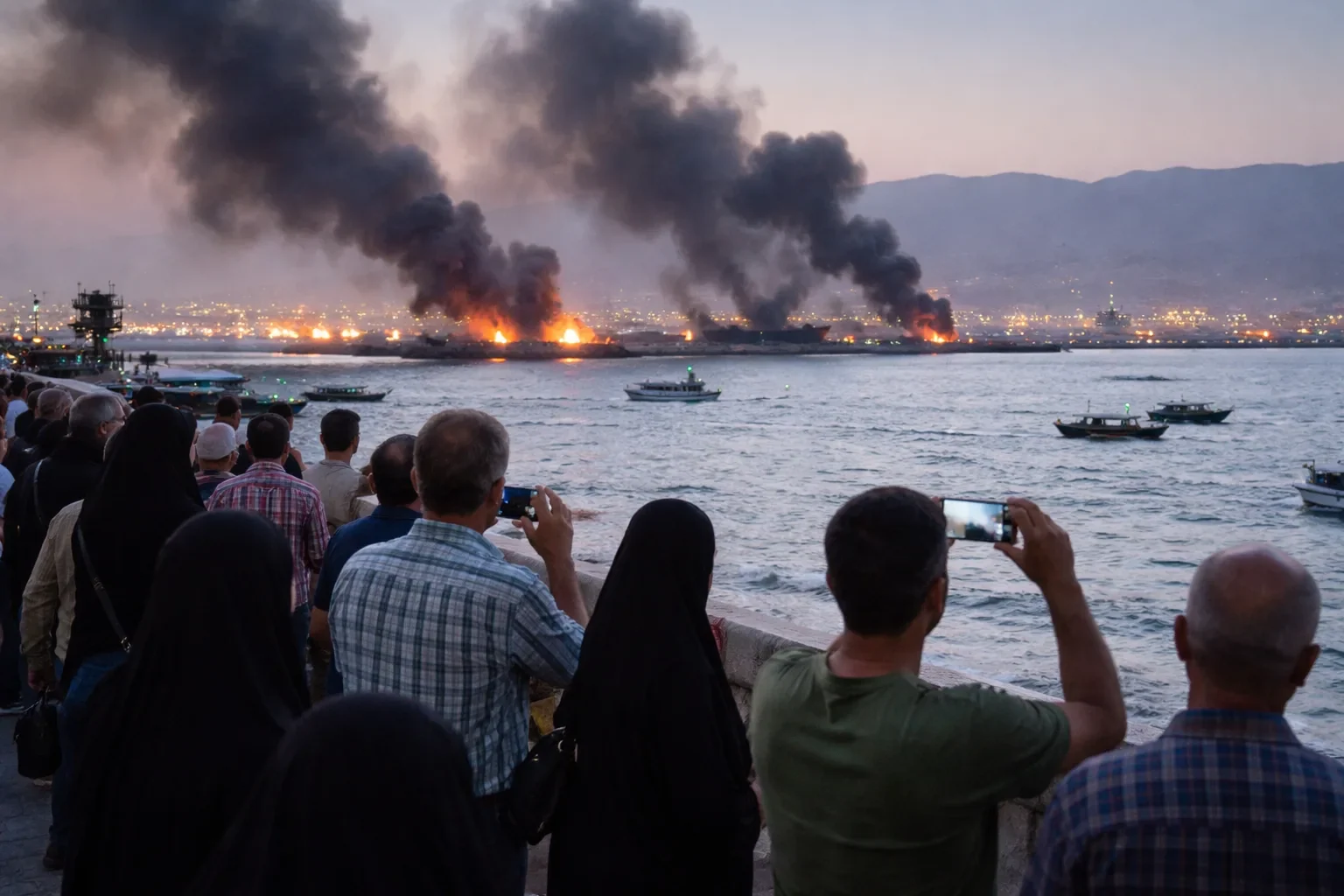
The United States military launched new strikes against Iranian targets in southern Iran, specifically focusing on missile sites and vessels attempting to deploy mines. US Central Command confirmed the operation, stating the strikes were conducted in self-defense to neutralize threats posed to American troops in the region.
What's new in this update
This military escalation occurs alongside conflicting diplomatic signals regarding a potential resolution to the conflict. Iranian Foreign Ministry spokesman Esmail Baqai explicitly stated that while progress has been made in discussions, a final agreement is not imminent. This contradicts more optimistic weekend assessments from US officials suggesting a deal could be reached as early as Monday.
Key details
The strikes focused on the area surrounding Bandar Abbas, a critical port city and home to an Iranian naval base overlooking the Strait of Hormuz. Iranian state media confirmed local investigations into explosions, while Central Command spokesperson Capt. Tim Hawkins maintained that the US military is attempting to observe restraint during the current ceasefire.
Background and context
Tensions between the US and Iran escalated sharply on February 28 following joint US-Israeli strikes, which led Iran to disrupt shipping in the Strait of Hormuz and caused global oil prices to surge. A fragile ceasefire has been in effect since April 8, with the US Navy maintaining a blockade on Iranian ports while Tehran continues shipping controls in the Gulf.
What to watch next
Diplomacy remains active as Iran’s top negotiator and foreign minister continue talks in Doha with Qatar’s prime minister. The primary focus for observers will be whether these latest strikes lead to a breakdown of the ceasefire or if the progress reached on many discussion points can be codified into a formal agreement.
Why it matters
The resumption of kinetic action near the Strait of Hormuz threatens the current ceasefire and underscores the volatile nature of global energy security in the region.
Read next
Follow this story through the topic hub, more world coverage, and the latest updates.
Weekly briefing
Get the week's key developments in one concise email.
Get a fast catch-up on the biggest stories, the context behind them, and the links worth your time.
Cadence
Weekly, for a quick catch-up
Coverage
AI, business, world, security, sports
Format
Clear takeaways and useful context
Request the briefing
Leave your email to open a prepared request and get on the list for the weekly briefing.
Author
See who assembled this story and follow more of their work.
Sources and methodology