Iran Condemns US Air Strikes as ‘Gross Violation’ of Fragile Ceasefire
Tehran warns of consequences following US Centcom strikes on missile sites and naval targets near the strategic Strait of Hormuz.
Primary source: BBC World News. Full source links and update notes are below.
Fast summary
Start here
- US Central Command conducted strikes against Iranian missile sites and mine-laying boats, citing self-defense.
- Iran's foreign ministry labeled the actions an unjustified gross violation of the April 8 ceasefire agreement.
- The strikes occurred near the port of Bandar Abbas, a critical location along the currently blocked Strait of Hormuz.
What happened
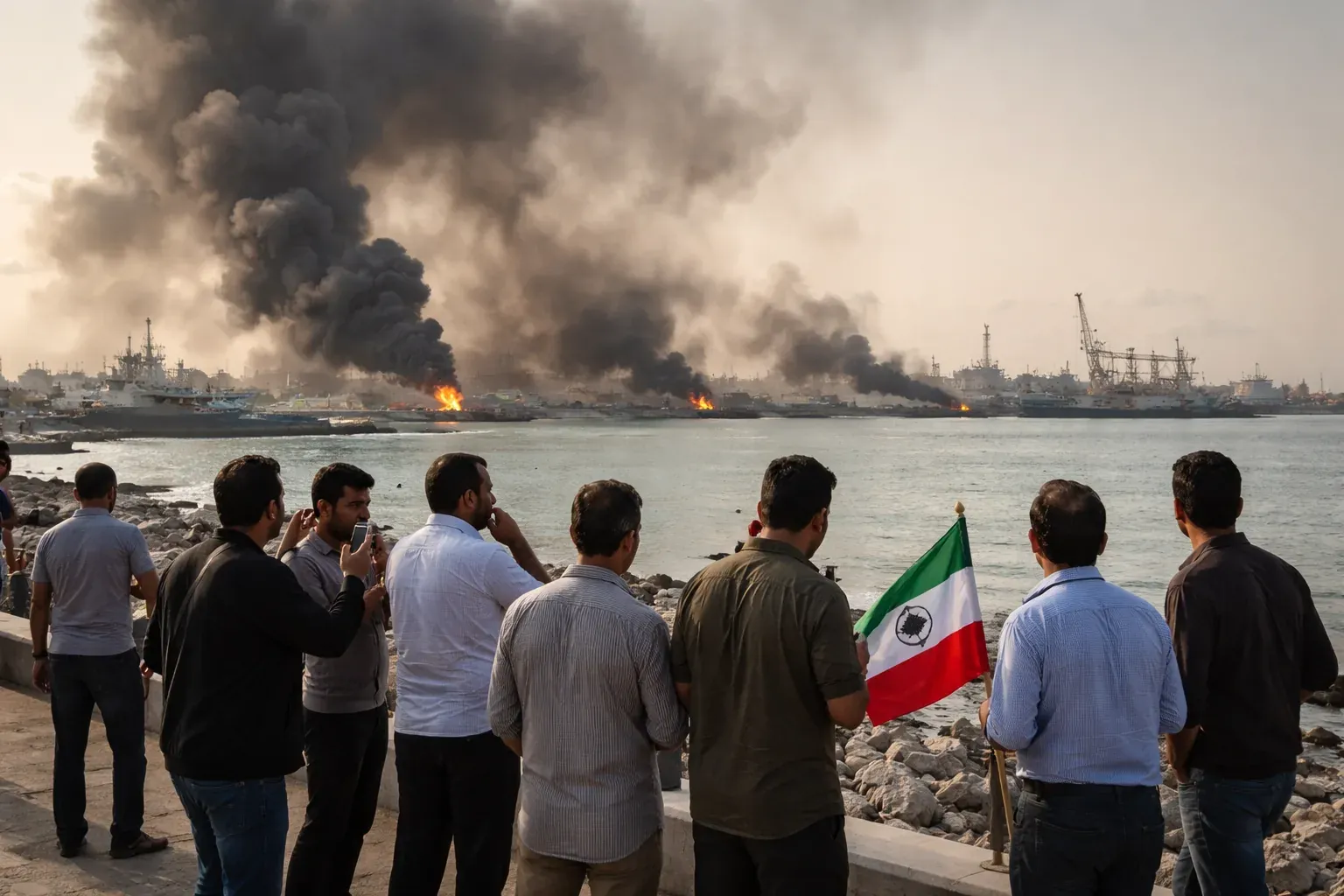
Iran has formally accused the United States of a gross violation of a standing ceasefire after US forces launched air strikes in the Hormozgan region. US Central Command (Centcom) defended the operation as a series of self-defence strikes aimed at neutralizing Iranian missile sites and vessels attempting to plant mines in the water.
What's new in this update
Following the strikes on Monday, Iran's foreign ministry stated it would not leave any evil unanswered and held Washington responsible for the potential fallout. Meanwhile, the Islamic Revolutionary Guard Corps (IRGC) claimed to have downed a US drone and fired at a fighter jet that allegedly entered Iranian airspace, though specific timing for these incidents remains unconfirmed.
Key details
The strikes targeted areas near Bandar Abbas, a southern port city housing a major Iranian naval base. This region is critical because it borders the Strait of Hormuz, a waterway where one-fifth of the world's oil passes. Iran has effectively blocked this shipping lane since late February, contributing to a global spike in energy costs.
Background and context
The conflict between Iran and a coalition involving the US and Israel began on February 28. After weeks of intense fighting, which included the death of Iran's supreme leader, a ceasefire was established on April 8. Until this week, the truce had been largely observed, with only one major clash reported in early May.
What to watch next
The immediate focus is on whether these strikes will derail peace talks currently mediated by Pakistan and Qatar. Negotiators are in Doha discussing the potential release of frozen Iranian funds and the status of Iran's uranium stockpile. US Secretary of State Marco Rubio indicated a deal is still possible but may take several more days to materialize.
Why it matters
The strikes threaten a fragile ceasefire and ongoing peace negotiations during a conflict that has significantly impacted global energy prices by blocking a primary oil shipping lane.
Read next
Follow this story through the topic hub, more world coverage, and the latest updates.
Weekly briefing
Get the week's key developments in one concise email.
Get a fast catch-up on the biggest stories, the context behind them, and the links worth your time.
Cadence
Weekly, for a quick catch-up
Coverage
AI, business, world, security, sports
Format
Clear takeaways and useful context
Request the briefing
Leave your email to open a prepared request and get on the list for the weekly briefing.
Author
See who assembled this story and follow more of their work.
Sources and methodology