Iran Targets US Base Following Series of American 'Self-Defence' Strikes
The Islamic Revolutionary Guard Corps launched retaliatory measures as US forces targeted drone sites and imposed new maritime sanctions.
Primary source: BBC World News. Full source links and update notes are below.
Fast summary
Start here
- Iran's IRGC targeted an unspecified American air base in retaliation for US strikes on Bandar Abbas.
- The US military intercepted four Iranian drones and destroyed a launch site in what it described as a purely defensive action.
- New US sanctions have been imposed on the Iranian authority managing traffic through the Strait of Hormuz, a critical global energy corridor.
What happened
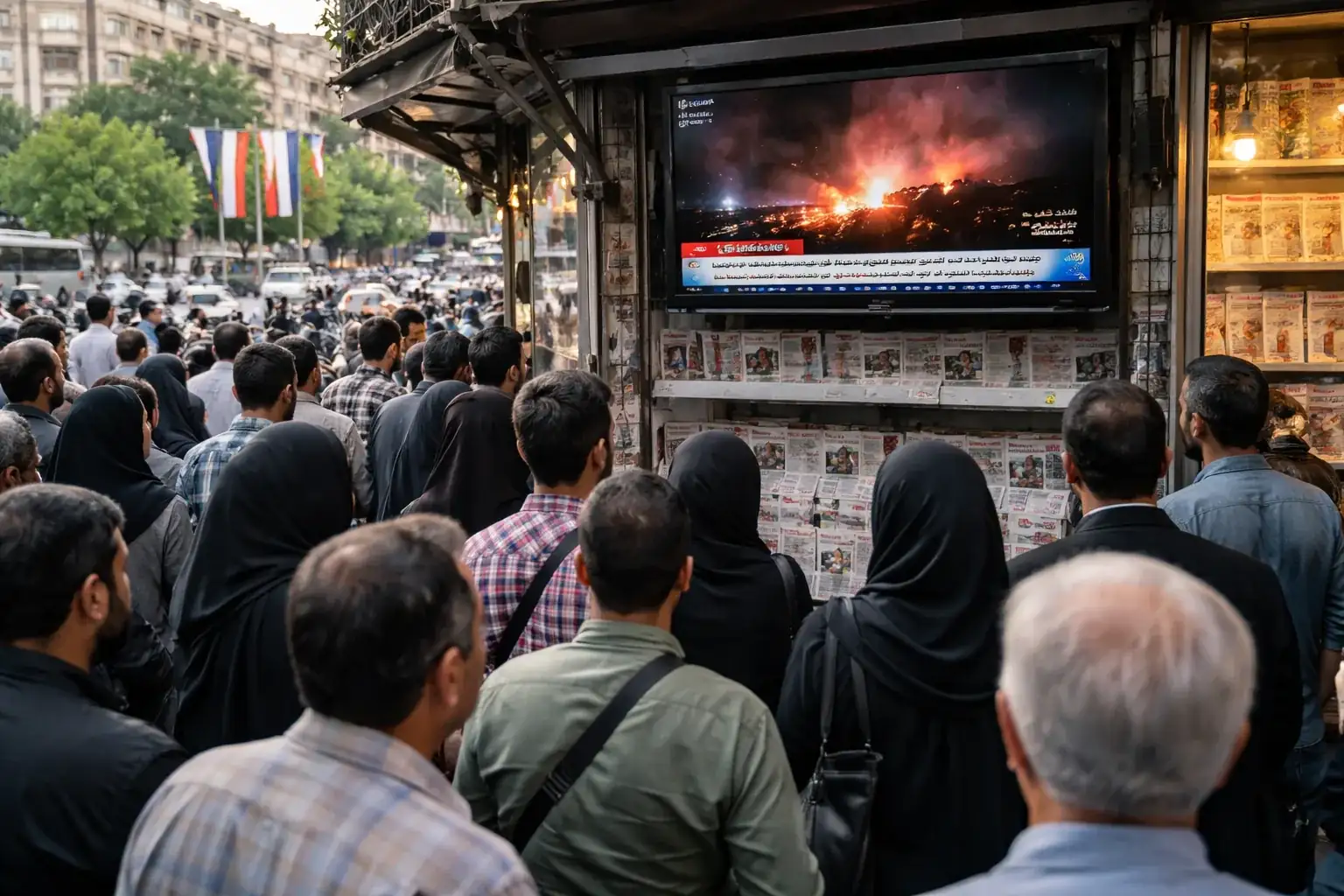
Iran's Islamic Revolutionary Guard Corps (IRGC) announced it has targeted an American air base in the region following fresh US strikes on southern Iran. While the IRGC did not specify the location of the base, Kuwaiti authorities reported intercepting hostile missile and drone threats. The exchange comes amid a fragile ceasefire and ongoing negotiations to end a conflict that began on February 28.
What's new in this update
The US military confirmed it conducted its second round of strikes in three days, targeting a military site in the strategic port city of Bandar Abbas. US Central Command (Centcom) stated that its forces shot down four Iranian one-way attack drones over the Strait of Hormuz and struck a site that was preparing to launch a fifth drone. Centcom characterized the actions as measured and intended to maintain the ceasefire while protecting US troops.
Key details
In addition to the military strikes, the US Treasury Department has imposed sanctions on the 'Persian Gulf Strait Authority,' the Iranian body responsible for collecting fees from ships in the Strait of Hormuz. US Treasury Secretary Scott Bessent described the collection of these fees as an attempt to extort global maritime trade. Iranian officials maintain that the fees are for navigational services and have condemned the US strikes as a gross violation of the ceasefire.
Background and context
The conflict has caused significant disruption to global energy markets, as approximately 20% of the world's liquefied natural gas and oil normally passes through the Strait of Hormuz. The war, involving the US, Israel, and Iran, has lasted three months and led to thousands of commercial tankers becoming stranded. Tensions are further complicated by Israel's simultaneous involvement in a war with Iranian-backed Hezbollah in Lebanon.
What to watch next
Protracted negotiations to end the war continue, though US President Donald Trump has expressed dissatisfaction with the current progress. Trump indicated that his strategy would not be influenced by upcoming midterm elections, suggesting the US might escalate to finish the conflict. Observers are also watching for any expansion of the Abraham Accords as the US urges Gulf nations to normalize relations with Israel.
Why it matters
The renewed hostilities threaten a fragile ceasefire and maintain a blockade on one-fifth of the world's liquefied natural gas and oil supplies.
Read next
Follow this story through the topic hub, more world coverage, and the latest updates.
Weekly briefing
Get the week's key developments in one concise email.
Get a fast catch-up on the biggest stories, the context behind them, and the links worth your time.
Cadence
Weekly, for a quick catch-up
Coverage
AI, business, world, security, sports
Format
Clear takeaways and useful context
Request the briefing
Leave your email to open a prepared request and get on the list for the weekly briefing.
Author
See who assembled this story and follow more of their work.
Sources and methodology