Hezbollah Leader Rejects Israel-Lebanon Ceasefire as 'Surrender'
Naim Qassem dismissed the US-mediated agreement that would force fighters to withdraw from southern Lebanon as Israeli operations continue.
Primary source: BBC World News. Full source links and update notes are below.
Fast summary
Start here
- Hezbollah leader Naim Qassem called the ceasefire terms humiliating and a surrender to Israeli objectives.
- The agreement includes pilot security zones where Hezbollah would be banned and the Lebanese army would take control.
- Israel stated it will continue military operations in southern Lebanon until the terrorist infrastructure is dismantled.
What happened
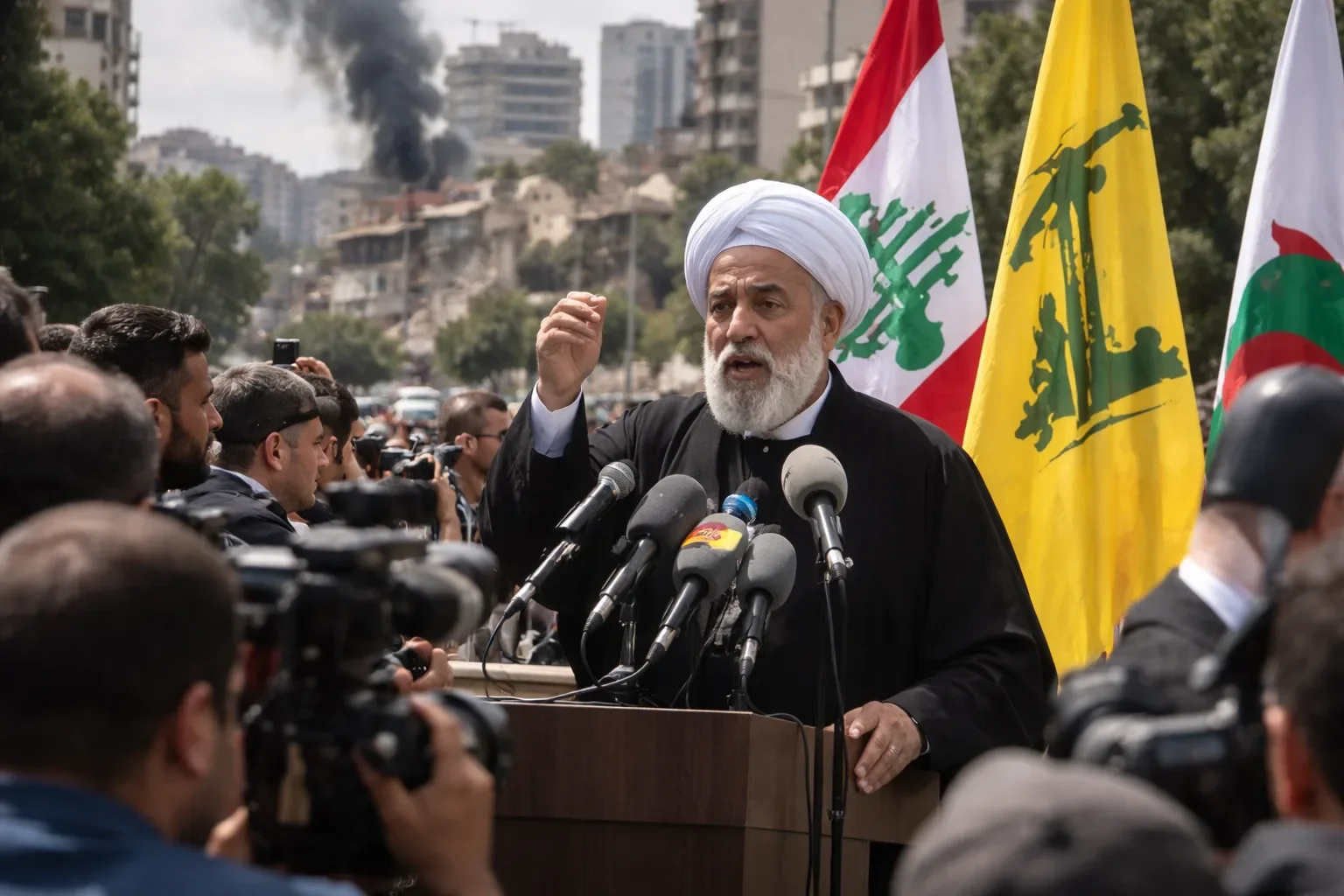
Hezbollah has officially rejected the terms of a new ceasefire agreement mediated by the United States and agreed upon by the governments of Israel and Lebanon. The group's leader, Naim Qassem, described the proposal as a surrender agreement that would fulfill Israel's military goals at the expense of Lebanese sovereignty.
What's new in this update
Following a joint statement from the US, Israel, and Lebanon regarding a renewed truce, Hezbollah—which was not a direct party to the talks—issued a sharp rebuttal. The group specifically rejected the requirement to withdraw fighters from the southern front and the creation of pilot zones where Hezbollah presence would be prohibited.
Key details
The proposed deal is contingent on the evacuation of all Hezbollah operatives from the territory between the Israeli border and the Litani River, approximately 30km north. In these areas, the Lebanese Armed Forces would take exclusive control. However, the agreement lacks specific maps or a clear implementation mechanism for how these security zones would function in practice.
Background and context
Tensions have escalated despite a partial ceasefire announced earlier in the week intended to protect the capital of Beirut. Hezbollah remains Lebanon's most formidable armed force and is designated as a terrorist organization by Israel and several Western nations. Israel has maintained ground forces in southern Lebanon to dismantle what it describes as infrastructure used for attacks.
What to watch next
Israeli Defense Minister Israel Katz has confirmed that the Israeli military will continue ground operations and strikes for the time being. Diplomatic representatives from Israel and Lebanon are scheduled to meet again on June 22 to pursue a more comprehensive agreement, though Hezbollah's current stance presents a significant barrier to a lasting truce.
Why it matters
The rejection by Lebanon's most powerful armed group complicates US efforts to end the conflict and suggests a continuation of cross-border hostilities despite diplomatic progress between state governments.
Read next
Follow this story through the topic hub, more world coverage, and the latest updates.
Weekly briefing
Get the week's key developments in one concise email.
Get a fast catch-up on the biggest stories, the context behind them, and the links worth your time.
Cadence
Weekly, for a quick catch-up
Coverage
AI, business, world, security, sports
Format
Clear takeaways and useful context
Request the briefing
Leave your email to open a prepared request and get on the list for the weekly briefing.
Author
See who assembled this story and follow more of their work.
Sources and methodology