Israel and Lebanon Agree to 45-Day Ceasefire Extension Following DC Talks
Negotiators in Washington DC secured an extension to the fragile truce despite continued cross-border strikes and civilian casualties.
Primary source: BBC World News. Full source links and update notes are below.
Fast summary
Start here
- A 45-day extension to the shaky ceasefire was reached after two days of negotiations in Washington DC.
- Recent Israeli air strikes in southern Lebanon killed 22 people, including eight children, as exchanges of fire continue.
- Military delegations will meet at the Pentagon on May 29 to launch a security track for the negotiations.
What happened
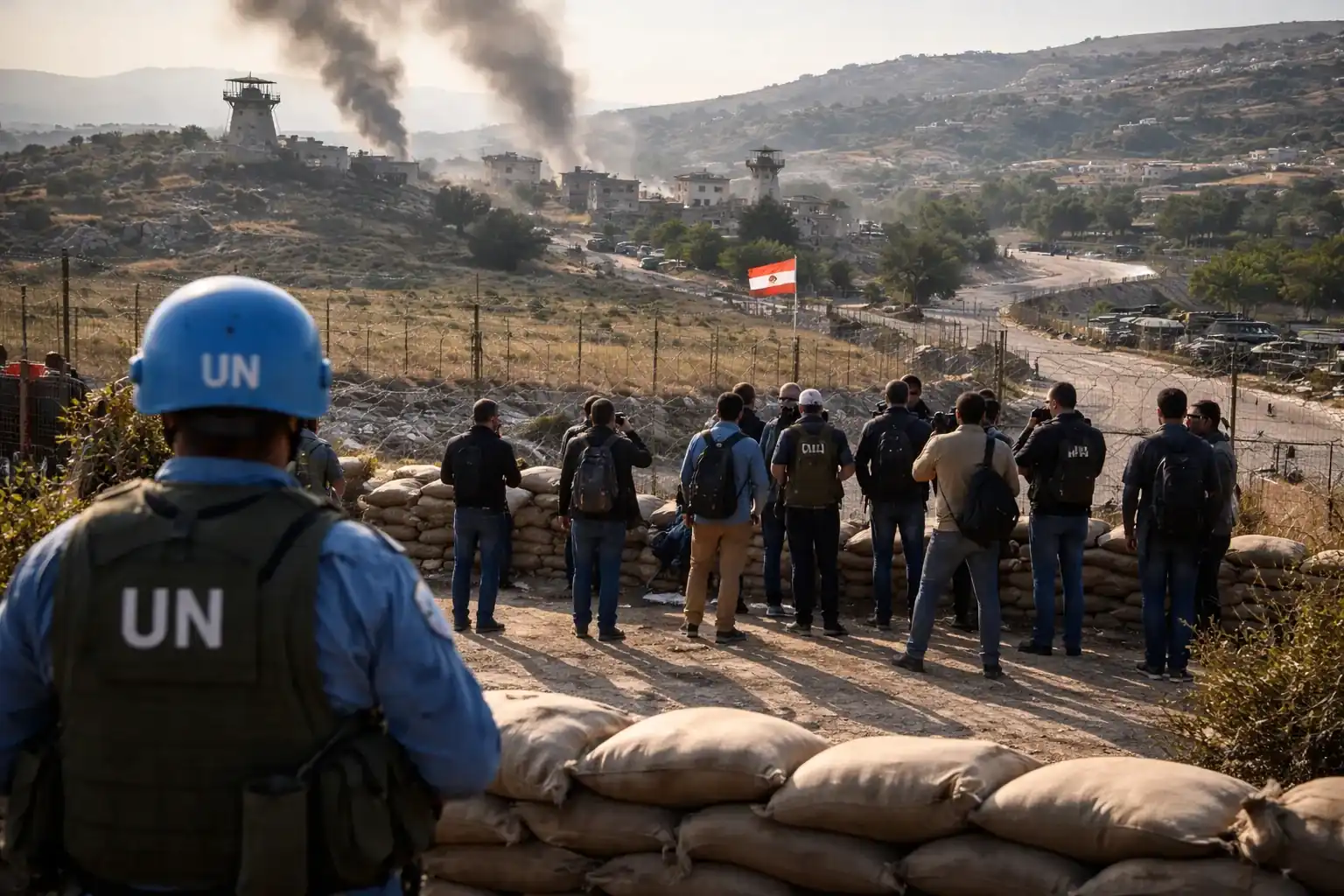
Israel and Lebanon have formally agreed to extend their current ceasefire by 45 days. The agreement followed two days of intensive talks hosted by the US State Department in Washington DC, aimed at stabilizing the shared border and advancing lasting peace between the two nations.
What's new in this update
US State Department spokesman Tommy Pigott confirmed the extension and announced a dual-track approach for future discussions. A security-focused track involving military delegations from both countries is scheduled to begin at the Pentagon on May 29, while the political track is expected to reconvene in June.
Key details
Despite the diplomatic progress, the ceasefire remains fragile. On Wednesday, Lebanon's health ministry reported that 22 people, including eight children, were killed in Israeli air strikes across southern Lebanon. Israel has intensified its air and artillery strikes recently, stating that it is targeting Hezbollah infrastructure, while Lebanon has accused Israel of targeting civilians and paramedics.
Background and context
The original truce was announced by US President Donald Trump on April 16. However, Hezbollah and Israel have continued to trade fire almost daily since its inception. The ongoing negotiations seek to establish full recognition of each country's sovereignty and territorial integrity while securing the shared border.
What to watch next
The focus now shifts to the May 29 Pentagon meeting, where military delegations will attempt to coordinate security measures on the ground. The success of the political track in June will likely depend on whether the 45-day extension can withstand the continued cross-border hostilities.
Why it matters
The extension provides a critical window for formal diplomatic and security frameworks to be established, potentially preventing a full-scale escalation despite frequent truce violations.
Read next
Follow this story through the topic hub, more world coverage, and the latest updates.
Weekly briefing
Get the week's key developments in one concise email.
Get a fast catch-up on the biggest stories, the context behind them, and the links worth your time.
Cadence
Weekly, for a quick catch-up
Coverage
AI, business, world, security, sports
Format
Clear takeaways and useful context
Request the briefing
Leave your email to open a prepared request and get on the list for the weekly briefing.
Author
See who assembled this story and follow more of their work.
Sources and methodology