Iran Warns Israeli Strikes in Lebanon Threaten Broad Ceasefire with US
Tehran claims Israeli operations in Beirut violate an 'all fronts' agreement with Washington, as President Trump reports direct outreach to Hezbollah.
Primary source: BBC World News. Full source links and update notes are below.
Fast summary
Start here
- Foreign Minister Abbas Araghchi stated the US-Iran ceasefire applies to all fronts, including Lebanon, and warned that violations on one front impact the whole agreement.
- President Donald Trump reported productive discussions with both Prime Minister Benjamin Netanyahu and Hezbollah representatives, claiming a stop-shooting agreement.
- Israeli Prime Minister Netanyahu maintained that the IDF will continue strikes in Beirut if Hezbollah does not cease attacks on Israeli civilians.
What happened
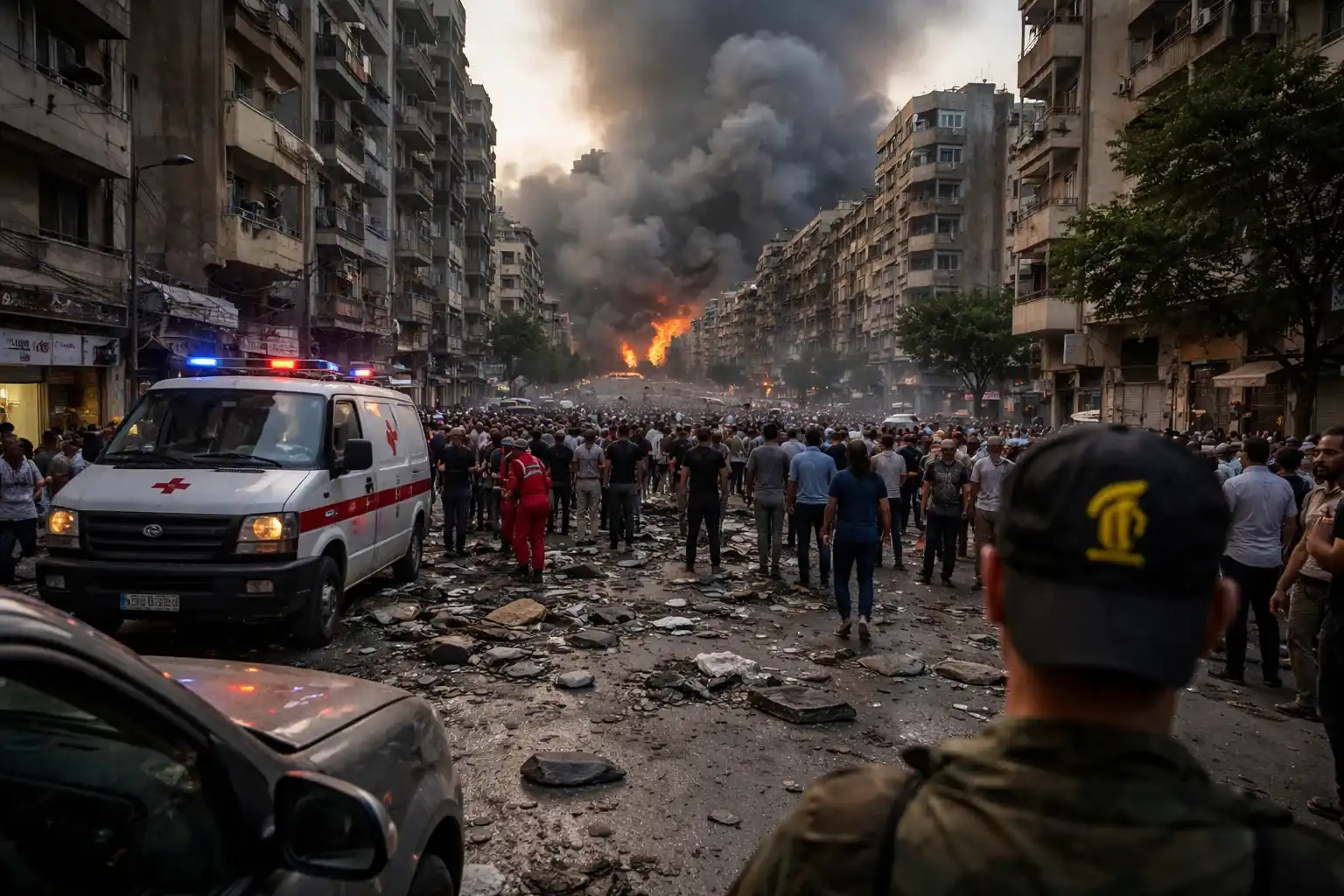
Iran has issued a formal warning that continued Israeli military operations against Hezbollah in Lebanon could collapse the ceasefire between Tehran and the United States. Iranian Foreign Minister Abbas Araghchi argued that the truce, established on April 8, was intended to cover all regional fronts. This warning follows Prime Minister Benjamin Netanyahu's order for strikes on Beirut's southern suburbs in response to ongoing rocket and drone attacks from Iran-backed Hezbollah.
What's new in this update
President Donald Trump intervened directly, stating on social media that he held a 'very productive' call with Netanyahu and reached out to Hezbollah through high-level representatives. Trump claimed that Hezbollah agreed to stop shooting and that Israel would reciprocate. However, Netanyahu later qualified this by telling Trump that strikes in Beirut would continue if Hezbollah attacks do not stop, noting that IDF operations in southern Lebanon will proceed as planned.
Key details
Lebanese authorities have indicated that Hezbollah is prepared to accept a US proposal for a mutual cessation of attacks. Under this arrangement, Israeli strikes on Beirut would stop in exchange for Hezbollah refraining from attacks on Israel. Despite these diplomatic efforts, Iranian state media affiliated with the IRGC reported that Tehran might suspend indirect negotiations with the US and could activate other fronts, including the Bab al-Mandab Strait, if the offensive in Lebanon persists.
Background and context
The US-Iran truce has been in effect for approximately two months but has remained fragile as regional proxies continue to clash. The US has attempted to decouple its direct negotiations with Tehran from the specific conflict between Israel and Hezbollah in Lebanon. These tensions have already spilled over into the Strait of Hormuz and the Red Sea, contributing to a nearly $5 per barrel jump in Brent crude prices following recent military exchanges.
What to watch next
The immediate focus is on whether a broader deal involving the US, Israel, and Iran can be reached to stabilize Beirut. Observers are monitoring whether Iran will follow through on threats to suspend indirect talks or escalate maritime targeting in the Red Sea. In the US, Secretary of State Marco Rubio is reportedly pushing a plan for gradual de-escalation that involves both the Israeli and Lebanese governments.
Why it matters
The potential collapse of the US-Iran truce threatens to expand the conflict into a direct confrontation, impacting global oil markets and regional maritime security.
Read next
Follow this story through the topic hub, more world coverage, and the latest updates.
Weekly briefing
Get the week's key developments in one concise email.
Get a fast catch-up on the biggest stories, the context behind them, and the links worth your time.
Cadence
Weekly, for a quick catch-up
Coverage
AI, business, world, security, sports
Format
Clear takeaways and useful context
Request the briefing
Leave your email to open a prepared request and get on the list for the weekly briefing.
Author
See who assembled this story and follow more of their work.
Sources and methodology