Trump Rebukes Netanyahu Over Lebanon Strikes Amid Fragile Iran Negotiations
The former president confirmed he expressed frustration with Israel's military strategy, which Tehran says could derail talks over its nuclear program.
Primary source: BBC World News. Full source links and update notes are below.
Fast summary
Start here
- Trump confirmed reports that he criticized Netanyahu’s military persistence in Lebanon, calling himself "perturbed" by the situation.
- Tehran has threatened to suspend diplomatic talks with the US in response to the Israeli strikes in Lebanon.
- A shifting US political landscape shows 60% of Americans now hold a negative view of Israel, according to recent Pew Research data.
What happened
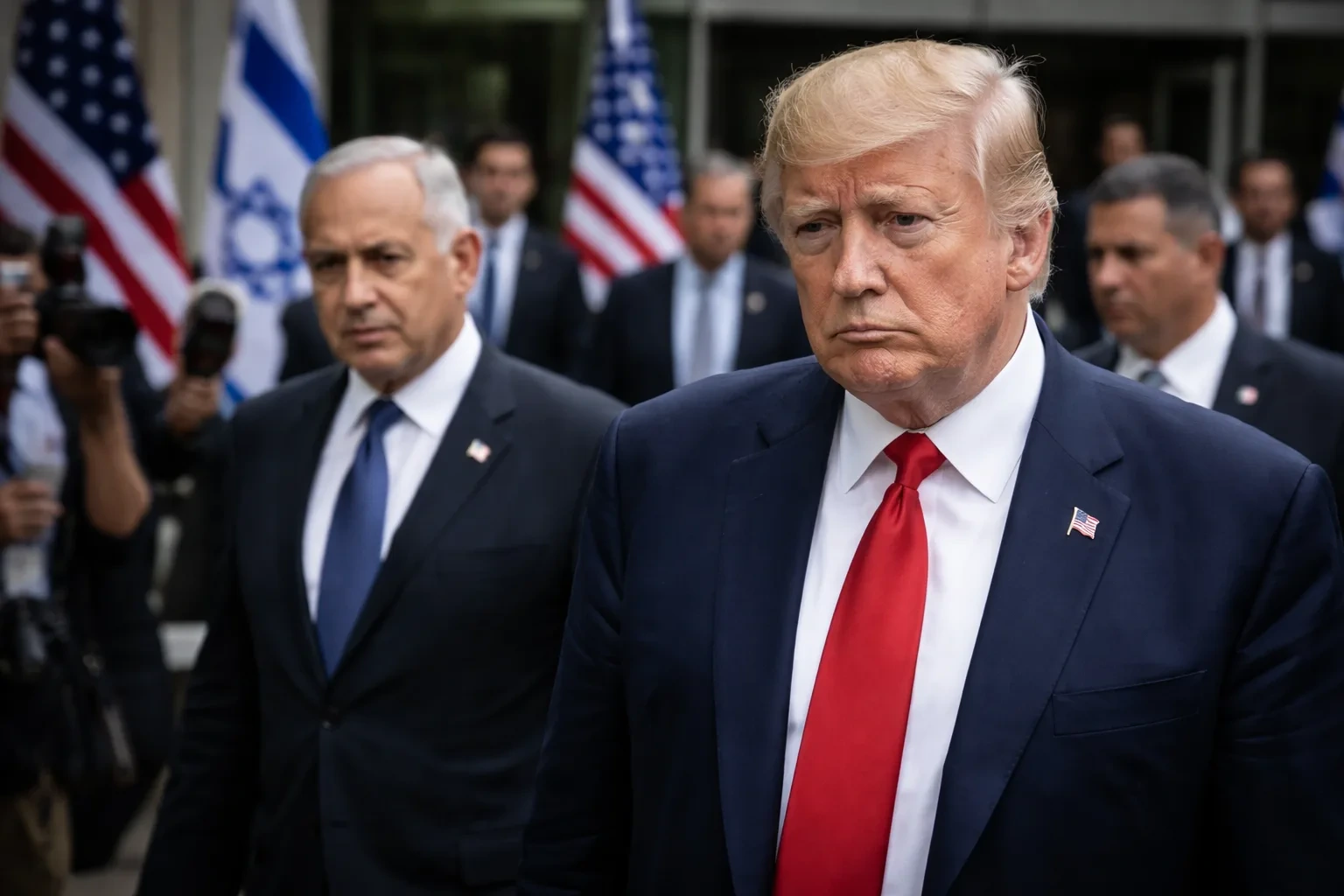
Donald Trump has publicly confirmed reports of a tense exchange with Israeli Prime Minister Benjamin Netanyahu, stating he was "perturbed" by Israel's continued military operations in Lebanon. The friction comes at a sensitive moment as the US attempts to broker a deal with Iran that would extend a ceasefire and address Tehran's nuclear program.
What's new in this update
In a podcast interview aired Wednesday, Trump addressed reports that he used explicit language to describe Netanyahu’s actions during a Monday phone call. While Trump maintained that he works well with Netanyahu, he acknowledged the strategic friction caused by Israel's strikes on Lebanon, which Tehran has cited as a reason to potentially suspend high-level negotiations with Washington.
Key details
The military action in Lebanon targets the Iran-backed Hezbollah militia, but Iran has signaled that any ceasefire agreement with Washington must include a cessation of hostilities in Lebanon. This demand creates a direct conflict between Israel's goal of neutralizing Hezbollah and Trump's objective of securing the Strait of Hormuz and finalizing a nuclear framework with Tehran.
Background and context
Relationships between the two leaders have often been characterized as close, though Netanyahu has a history of testing White House patience to pursue independent military agendas. The current tension follows a 100-day military campaign against targets in Iran that began on February 28. Domestically, Trump is also navigating shifting public opinion, with Pew Research reporting that negative views of Israel have risen to 60% among Americans.
What to watch next
Observers are looking for signs of whether Netanyahu will adjust his military stance to accommodate US diplomatic timelines. The success of these talks is tied to the reopening of the Strait of Hormuz, a critical global shipping lane, making the resolution of this 'tactical disagreement' a high-stakes priority for international markets.
Why it matters
The rift reveals a significant divergence between US diplomatic goals with Iran and Israel's security priorities in Lebanon, potentially stalling a nuclear agreement and the reopening of vital shipping lanes.
Read next
Follow this story through the topic hub, more world coverage, and the latest updates.
Weekly briefing
Get the week's key developments in one concise email.
Get a fast catch-up on the biggest stories, the context behind them, and the links worth your time.
Cadence
Weekly, for a quick catch-up
Coverage
AI, business, world, security, sports
Format
Clear takeaways and useful context
Request the briefing
Leave your email to open a prepared request and get on the list for the weekly briefing.
Author
See who assembled this story and follow more of their work.
Sources and methodology