US Grants Iran 60-Day Oil Sanctions Waiver Amid Diplomatic Dispute
Washington temporarily dismantles central pillars of its Iranian oil embargo as both nations establish a roadmap for a final deal within two months.

World correspondent
Reports on international affairs, diplomacy, and humanitarian developments with an emphasis on official statements, multilateral institutions, and regional context.
Editorial responsibility: Lead reviewer for geopolitics, international institutions, and crisis coverage
Primary source: BBC World News. Full source links and update notes are below.
Fast summary
Start here
- The US Treasury issued an emergency 60-day waiver allowing Iran to sell crude oil in US dollars and export directly to the US for the first time in decades.
- Vice-President JD Vance claimed IAEA inspectors could return to Iran this week, but Tehran's foreign ministry denied making any new commitments regarding inspections.
- Mediators from Qatar and Pakistan announced that the US and Iran have agreed to a roadmap aimed at reaching a final diplomatic deal within 60 days.
What happened
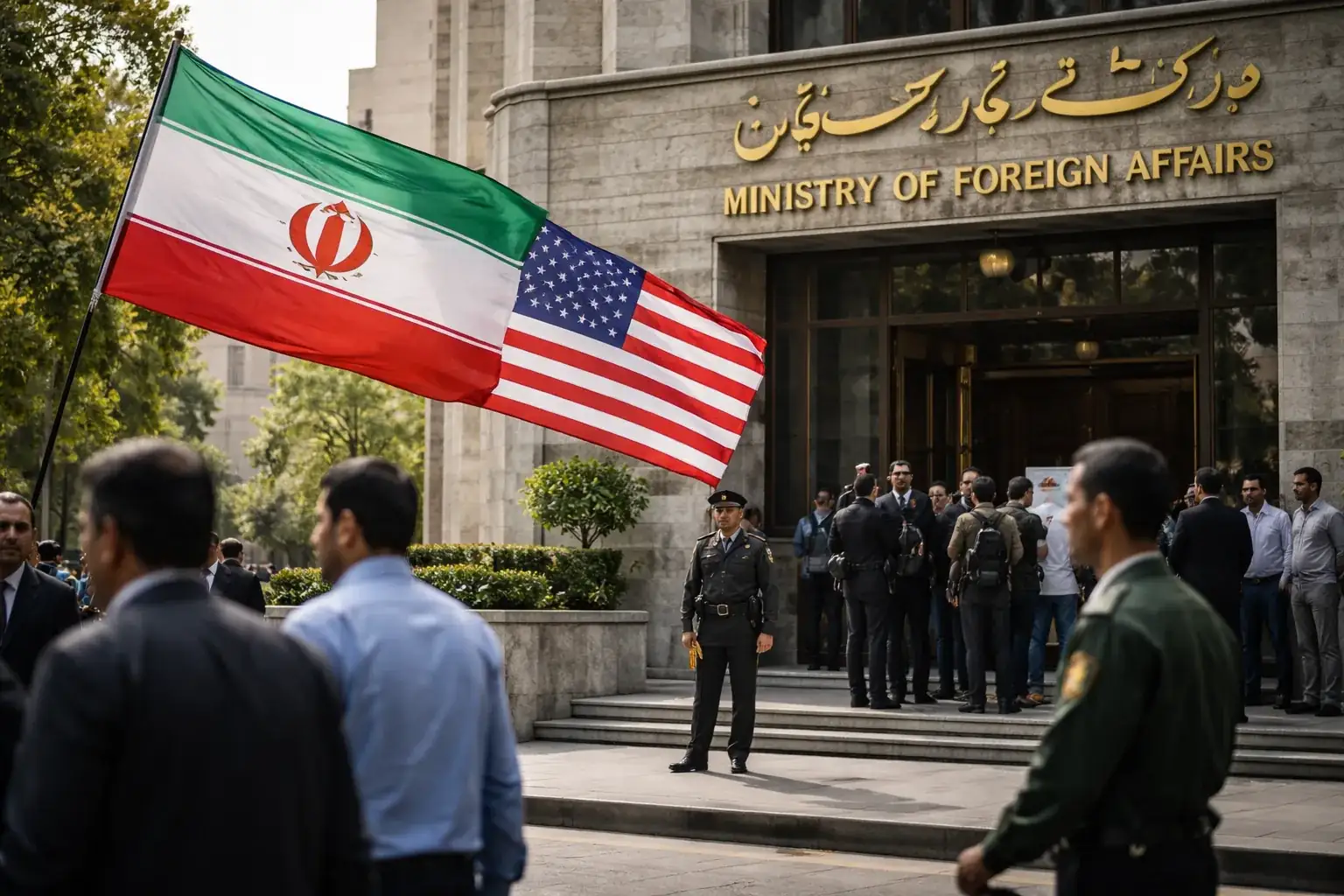
The United States has eased oil sanctions on Iran through a 60-day waiver after talks in Switzerland, but the diplomatic opening is already complicated by a sharp dispute over whether Iran has agreed to the quick return of nuclear inspectors. Washington is presenting the waiver as part of a broader effort to create room for a final deal. Tehran, meanwhile, is pushing back on suggestions that it has made immediate new concessions on inspections.
That makes the Iran oil sanctions waiver story about more than one temporary policy shift. It is a test of whether economic de-escalation can proceed fast enough to sustain diplomacy when the two sides are still publicly disagreeing over one of the most sensitive issues in the nuclear file.
Why the 60-day waiver matters
A 60-day US sanctions waiver for Iranian oil is significant because it directly touches one of the core coercive tools Washington has used for years. Oil restrictions are not symbolic. They shape export revenue, currency flows, shipping arrangements, and the overall pressure architecture built around Iran. Temporarily loosening that system suggests the United States is willing to trade real economic relief for a diplomatic pathway, even if only on a provisional basis.
That matters for markets as well as diplomacy. Any easing of Iranian oil sanctions immediately gets read through energy supply, price stability, and regional risk around shipping routes such as the Strait of Hormuz.
Why the inspector dispute is so important
The disagreement over nuclear inspectors is not a side issue. It goes to the heart of verification. The United States appears eager to signal momentum by suggesting IAEA inspectors could return quickly. Iran's denial matters because it indicates Tehran does not want to be seen as having already accepted terms publicly framed by Washington.
That is a familiar pattern in high-stakes diplomacy. Each side wants to preserve negotiating leverage and domestic credibility. But it also reveals the fragility of the current moment. If the sanctions relief is real while the verification story remains contested, then the political foundation of the deal-in-progress is still unstable.
Why mediators are central here
The role of Qatar and Pakistan underscores how indirect and carefully managed these talks remain. When mediators are the ones announcing roadmaps and helping frame the process, it often signals that trust between the principal parties is still limited. That does not mean the talks are failing. It means the architecture of communication still requires external support.
This matters because a roadmap is not an agreement. It is a container for negotiation. The more politically sensitive the subject matter, the more room there is for each side to interpret the same roadmap differently.
Why this is a major shift in US-Iran policy
Even a temporary relaxation of oil sanctions marks a meaningful departure from pure pressure strategy. It suggests that Washington believes some kind of exchange mechanism is more useful right now than simply maintaining maximum restrictions. That could reflect concern over regional escalation, energy market stability, or a judgment that diplomacy requires visible incentives to remain credible.
For Iran, the benefit is equally obvious: sanctions relief is valuable both economically and politically. But Tehran also has to avoid looking as if it is yielding too cheaply on sovereignty or inspections, especially after years of confrontation.
What to watch next
The next critical signal is whether any actual inspection access is arranged and described in mutually consistent terms. Watch also for how much Iranian oil activity expands during the waiver period, whether the US signals willingness to extend the arrangement, and whether political rhetoric from either side starts undermining the negotiating frame.
If inspectors do not return or both capitals keep publicly contradicting each other, the 60-day window may become more of a pause than a path.
Why this matters
This moment matters because it places sanctions relief, nuclear verification, and regional stability into the same compressed timeline. The US waiver shows real diplomatic movement, but the dispute over inspectors shows how incomplete that movement still is. If the two sides cannot align public claims with actual commitments, the opening could close as quickly as it appeared.
Why it matters
The easing of oil sanctions represents a significant shift in US policy that could stabilize regional energy markets and de-escalate tensions, though the dispute over nuclear inspections remains a critical obstacle to a permanent deal.
Read next
Follow this story through the topic hub, more world coverage, and the latest updates.
Weekly briefing
Get the week's key developments in one concise email.
Get a fast catch-up on the biggest stories, the context behind them, and the links worth your time.
Cadence
Weekly, for a quick catch-up
Coverage
AI, business, world, security, sports
Format
Clear takeaways and useful context
Request the briefing
Leave your email to open a prepared request and get on the list for the weekly briefing.
About the byline
World correspondent
Leila Haddad covers world affairs, diplomacy, and humanitarian crises, with a focus on how fast-moving international developments affect public policy, conflict response, and cross-border institutions.
Sources and methodology