US Blocks Long-Term Extension of North American Trade Agreement
The United States has declined to automatically renew the USMCA, triggering a decade-long countdown toward the deal's potential expiration while mandating

World correspondent
Reports on international affairs, diplomacy, and humanitarian developments with an emphasis on official statements, multilateral institutions, and regional context.
Editorial responsibility: Lead reviewer for geopolitics, international institutions, and crisis coverage
Primary source: BBC World News. Full source links and update notes are below.
Fast summary
Start here
- The U.S. declined a 16-year automatic extension of the USMCA, setting a 10-year 'shot clock' toward expiration in 2036.
- Trilateral trade under the pact is valued at approximately $2 trillion annually, covering critical sectors like automotive and agriculture.
- Washington is seeking major revisions regarding rules of origin for cars, dairy access, and the prevention of Chinese exploitation of the regional agreement.
What happened
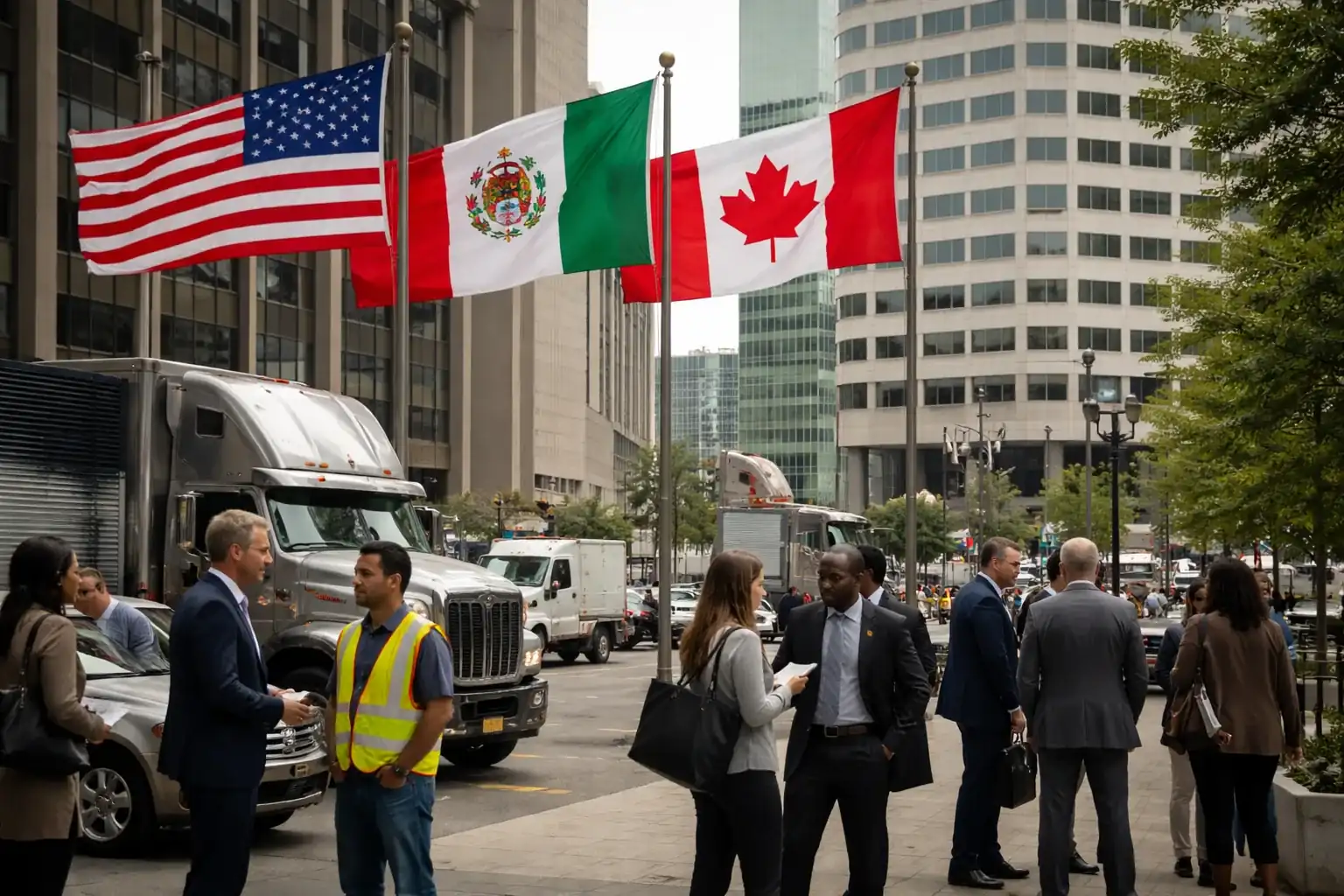
The United States has officially declined to renew the landmark US-Mexico-Canada Agreement (USMCA) in its current form, a move that prevents the trilateral trade pact from receiving an automatic 16-year extension. This decision, announced by a senior U.S. official, underscores the administration's refusal to "rubber stamp" the existing framework without first addressing several outstanding trade disputes and structural concerns. By opting out of the long-term renewal, Washington has effectively set a ten-year "shot clock" for the agreement's termination. Under the current guidelines of the pact, which governs approximately $2 trillion in annual trade between the three North American neighbors, each country was required to decide on a 16-year term extension. The lack of a unanimous long-term commitment now introduces a period of heightened economic uncertainty for industries across the continent that rely on stable cross-border commerce.
What's new in this update
The immediate consequence of the U.S. decision is the transition from a long-term stable agreement to a cycle of mandatory annual negotiations. Instead of securing the pact until 2042—which would have been the case with a unanimous extension—the three nations must now meet every year to discuss and negotiate potential modifications to the agreement. This shift represents a tactical win for U.S. trade negotiators who seek more leverage to extract concessions from Mexico and Canada. While the free-trade deal remains operational for the time being, the rejection of the automatic extension initiates a countdown toward an expiration date as early as 2036. This move reflects a departure from the "set it and forget it" approach to trade policy, favoring a more iterative and confrontational style of economic diplomacy designed to protect domestic interests.
Key details
U.S. trade officials have pinpointed several specific areas where the current USMCA framework is deemed insufficient. Primary among these are the rules of origin for automobiles, which dictate how much of a vehicle must be manufactured within the region to qualify for duty-free status. Additionally, Washington continues to push for expanded access to Canada’s protected dairy market and has raised significant alarms regarding third-party countries—specifically China—using Mexico as a "backdoor" to exploit the North American regional agreement. While business organizations like the U.S. Chamber of Commerce expressed disappointment, warning that manufacturing and agriculture sectors rely on cross-border certainty, domestic industry groups such as the American Iron and Steel Institute have praised the move. They argue that the annual review process provides a necessary mechanism to fix flaws in the original 2020 agreement.
Background and context
The USMCA entered into force six years ago, serving as the modern replacement for the 1994 North American Free Trade Agreement (NAFTA). At the time of its inception, the USMCA was hailed for updating rules surrounding digital trade, enhancing labor rights, and tightening regional manufacturing requirements to bolster North American supply chains. However, the transition from NAFTA to USMCA did not eliminate all trade friction. The agreement included a "sunset clause" requiring a joint review every six years to decide on a 16-year extension. The 2026 review period was the first major test of this clause. The original goal of the sunset provision was to ensure the deal remained relevant to changing economic conditions, but it has now become a point of contention that threatens the long-term stability of North American economic integration.
What to watch next
Looking ahead, the focus shifts to the first of the newly mandated annual meetings between trade representatives from Washington, Mexico City, and Ottawa. These sessions are expected to be contentious as the U.S. leverages the ten-year expiration threat to demand changes in automotive and agricultural policy. Market analysts will be monitoring capital investment trends, as the "shot clock" on the trade deal may discourage long-term infrastructure projects that rely on tariff-free cross-border movement. Furthermore, the political climate in all three nations will play a crucial role; any change in leadership could further shift the trajectory of these negotiations. The ability of the three nations to find common ground on the "China backdoor" issue will likely determine whether the USMCA can survive past its 2036 expiration date or if North American trade will undergo another radical restructuring.
Why it matters
The decision introduces significant economic uncertainty for North American businesses, ending the era of long-term trade stability and forcing a shift toward high-stakes annual negotiations.
Read next
Follow this story through the topic hub, more world coverage, and the latest updates.
Weekly briefing
Get the week's key developments in one concise email.
Get a fast catch-up on the biggest stories, the context behind them, and the links worth your time.
Cadence
Weekly, for a quick catch-up
Coverage
AI, business, world, security, sports
Format
Clear takeaways and useful context
Request the briefing
Leave your email to open a prepared request and get on the list for the weekly briefing.
About the byline
World correspondent
Leila Haddad covers world affairs, diplomacy, and humanitarian crises, with a focus on how fast-moving international developments affect public policy, conflict response, and cross-border institutions.
Sources and methodology