US and Iran Signal Military De-escalation After Exchange of Regional
Following a weekend of retaliatory attacks in the Strait of Hormuz and against regional bases, both nations have agreed to halt operations to allow

World correspondent
Reports on international affairs, diplomacy, and humanitarian developments with an emphasis on official statements, multilateral institutions, and regional context.
Editorial responsibility: Lead reviewer for geopolitics, international institutions, and crisis coverage
Primary source: BBC World News. Full source links and update notes are below.
Fast summary
Start here
- A US official confirmed that both nations have agreed to stand down, allowing vessels to once again move freely through the Strait of Hormuz.
- The de-escalation follows a series of strikes including an Iranian attack on a cargo ship and US retaliatory strikes on multiple Iranian targets.
- Regional stability remains threatened by ongoing friction in southern Lebanon where Hezbollah has rejected a US-mediated framework agreement.
What happened
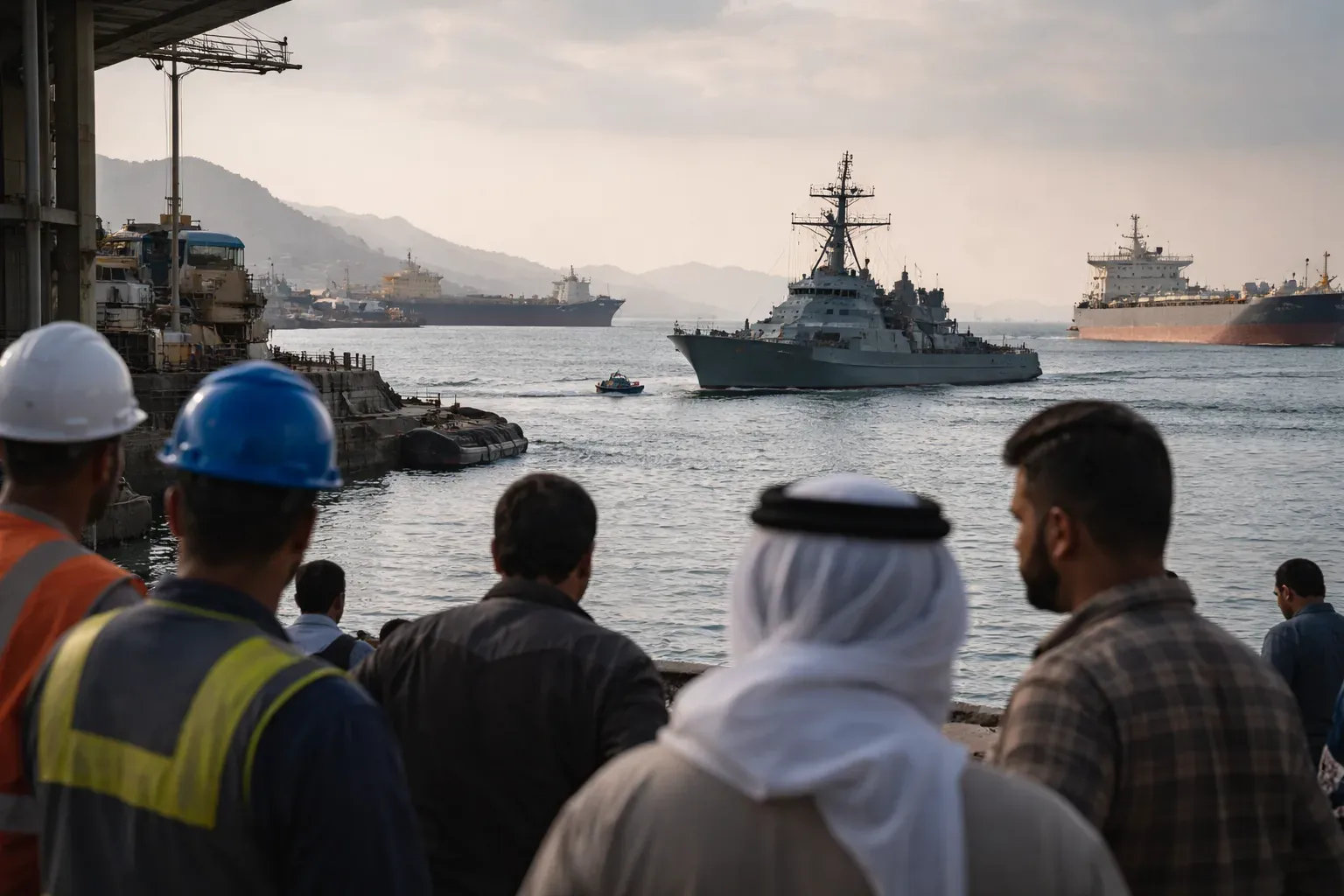
The United States and Iran have reached a tentative agreement to stand down following a volatile series of military exchanges that threatened to destabilize one of the world's most critical maritime corridors. According to reports citing a US official, both nations have signaled a willingness to halt the direct hostilities that erupted over the past several days. This development is expected to restore the flow of commercial traffic through the Strait of Hormuz, a narrow waterway essential for global energy supplies. The official, speaking to the BBC’s US partner CBS News, confirmed that vessels should now be able to navigate the waterway without the immediate threat of seizure or bombardment. While the US has publicized this shift toward de-escalation, the Iranian government has not yet issued an official public statement confirming their participation in the halt of strikes.
What's new in this update
The newest update in this ongoing regional crisis centers on the confirmation that commercial shipping can resume freely through the Strait of Hormuz. This follows a tense weekend where the maritime route was effectively paralyzed by an exchange of projectiles and retaliatory air strikes. US Central Command (Centcom) had previously characterized Iranian actions as continued aggression against international trade, leading to a robust kinetic response from American forces. The reported agreement to stand down is seen as an effort to salvage a 14-point Memorandum of Understanding signed earlier this month, which had been on the verge of total collapse. Furthermore, the US has indicated that diplomatic channels remain open, with renewed talks aimed at a more permanent end to the broader regional war expected to continue despite the recent violence.
Key details
The escalation began in earnest last Thursday when an Iranian projectile struck a cargo ship in the Strait of Hormuz, prompting an immediate security crisis and the effective closure of the waterway. In response, the US launched a series of retaliatory strikes over the weekend, targeting multiple facilities within Iran that were linked to maritime interference. The cycle of violence continued on Saturday when Iran launched strikes against US military installations located in Kuwait and Bahrain. US military officials reported that none of the Iranian strikes reached their intended targets, resulting in no casualties or significant infrastructure damage. These events underscored the fragility of the regional security architecture, as the Strait of Hormuz had been under extreme pressure since late February when Tehran initially closed the route following US and Israeli operations.
Background and context
The current friction exists against the backdrop of a 14-point Memorandum of Understanding (MoU) signed on June 17, which sought an immediate termination of military operations. A core component of this agreement was Iran’s commitment to using its best efforts for the safe passage of commercial vessels for a 60-day period without additional charges. However, this ceasefire proved difficult to maintain as peripheral conflicts influenced the primary actors. Simultaneously, the US has been mediating a separate framework agreement between Israel and Lebanon. This parallel track of diplomacy is intended to end the fighting between Israeli forces and the Iranian-backed Hezbollah in southern Lebanon. However, the situation remains complicated by the fact that Tehran maintains that a cessation of hostilities in Lebanon is a prerequisite for any broader regional ceasefire deal to remain viable.
What to watch next
Observers are now focusing on whether the stand down agreement in the Strait of Hormuz can withstand pressures from other regional flashpoints, particularly in southern Lebanon. On Sunday, just two days after a framework agreement was signed between Israel and Lebanon, the Israeli army conducted a strike on a 200-metre-long tunnel used by Hezbollah, which allegedly contained a significant cache of weaponry. Israeli Prime Minister Benjamin Netanyahu and Defence Minister Israel Katz stated that the US was notified prior to this operation. With Hezbollah’s leadership rejecting the framework agreement and accusing the Lebanese government of compromising national sovereignty, the risk of a spillover conflict remains high. The durability of the maritime stand-down will likely depend on whether diplomatic progress in Beirut and Jerusalem can keep pace with the volatile military reality on the ground.
Why it matters
The Strait of Hormuz is a vital artery for global energy markets; any prolonged closure or military escalation there risks a sharp spike in oil prices and a broader multi-national conflict.
Read next
Follow this story through the topic hub, more world coverage, and the latest updates.
Weekly briefing
Get the week's key developments in one concise email.
Get a fast catch-up on the biggest stories, the context behind them, and the links worth your time.
Cadence
Weekly, for a quick catch-up
Coverage
AI, business, world, security, sports
Format
Clear takeaways and useful context
Request the briefing
Leave your email to open a prepared request and get on the list for the weekly briefing.
About the byline
World correspondent
Leila Haddad covers world affairs, diplomacy, and humanitarian crises, with a focus on how fast-moving international developments affect public policy, conflict response, and cross-border institutions.
Sources and methodology