Trump Vows US Response After Alleged Iranian Attack on Helicopter
Two pilots were rescued by an autonomous sea drone after their Apache helicopter went down in the Strait of Hormuz.
Primary source: BBC World News. Full source links, newsroom standards, and correction details are below.
Fast summary
Start here
- President Trump confirmed two US pilots are safe after their helicopter was downed by Iran over the Strait of Hormuz.
- The rescue was conducted by an unmanned surface drone operated by the Bahrain-based Task Force 59.
- The incident occurs during a delicate period of ceasefire negotiations intended to end regional hostilities.
What happened
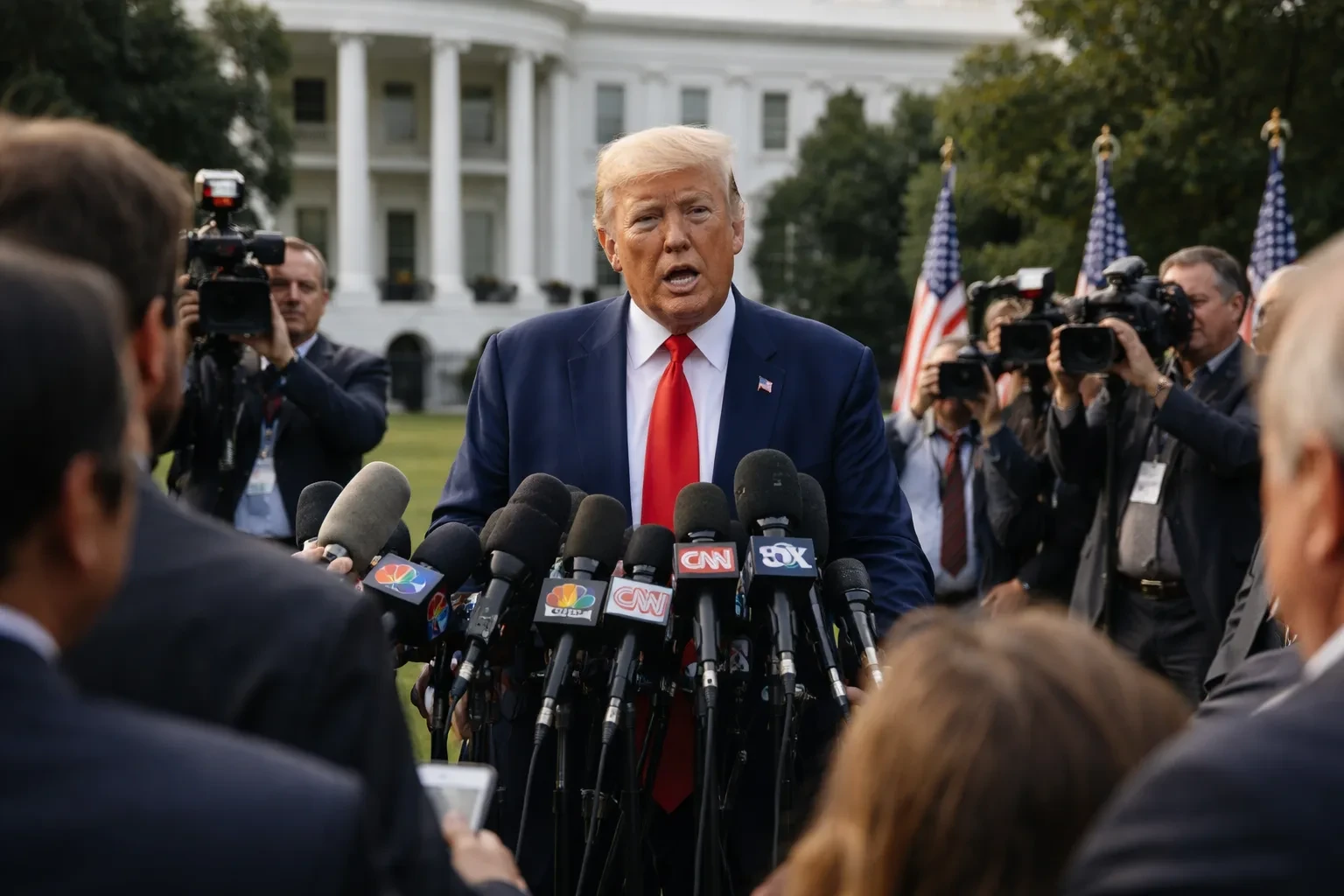
President Donald Trump has accused Iran of shooting down a US Apache helicopter operating over the Strait of Hormuz. Following the attack, Trump stated on social media that the United States must respond to the incident out of "necessity," though he did not specify the nature of the forthcoming American action.
What's new in this update
The Pentagon confirmed that the two crew members were rescued and remain uninjured. The rescue operation featured a significant deployment of autonomous technology; the pilots were retrieved by a Bahrain-based unmanned surface drone from Task Force 59. This unit, launched in 2024, is designed to bolster maritime security by teaming unmanned systems with manned operators.
Key details
US Central Command (CENTCOM) reported the rescue occurred at 19:33 EDT on Monday with support from the 82nd Airborne Division and the US 5th Fleet. While Trump has attributed the downing to an intentional attack, Iranian media and officials have not claimed responsibility. Iran's Foreign Minister, Abbas Araqchi, suggested that foreign forces in the region are at constant risk due to "human errors" or "plain accidents."
Background and context
The incident took place against a backdrop of Israeli airstrikes in Lebanon and a shaky truce between Tehran and Israel. Trump had previously expressed optimism that a deal to end the regional war was in its "final throes" and could be finalized within days. Iranian negotiators had recently signaled a willingness to use diplomacy but warned of retaliation if commitments were broken.
What to watch next
The immediate focus remains on the scale of the US response and its impact on regional peace talks. If the United States pursues military action, it could derail the ceasefire negotiations Trump described as being nearly complete. Observers are also monitoring whether the Strait of Hormuz remains open to commercial traffic following the increased tensions.
Why it matters
This direct military confrontation risks collapsing ongoing peace negotiations and could trigger a broader escalation between the United States and Iran.
Read next
Follow this story through the topic hub, more world coverage, and the latest updates.
Weekly briefing
Get the week's key developments in one concise email.
Get a fast catch-up on the biggest stories, the context behind them, and the links worth your time.
Cadence
Weekly, for a quick catch-up
Coverage
AI, business, world, security, sports
Format
Clear takeaways and useful context
Request the briefing
Leave your email to open a prepared request and get on the list for the weekly briefing.
Author

The Northstar Herald editorial desk assembles wire-driven and source-linked coverage, verifies core facts against published materials, and updates stories as new reporting becomes available.
Sources and methodology