Trump Rejects Leaked Iran Deal Details, Warns US is 'Not Satisfied' Yet
President Trump confirmed that while negotiations are ongoing, the US remains prepared to resume military action if a satisfactory agreement is not reached.
Primary source: BBC World News. Full source links and update notes are below.
Fast summary
Start here
- President Trump stated that Iran is 'very much intent' on a deal but current terms are insufficient for the US.
- The White House dismissed reported details of a draft agreement from Iranian state media as a 'complete fabrication.'
- Washington reiterated a willingness to resume military strikes if diplomatic efforts fail to yield a final resolution.
What happened
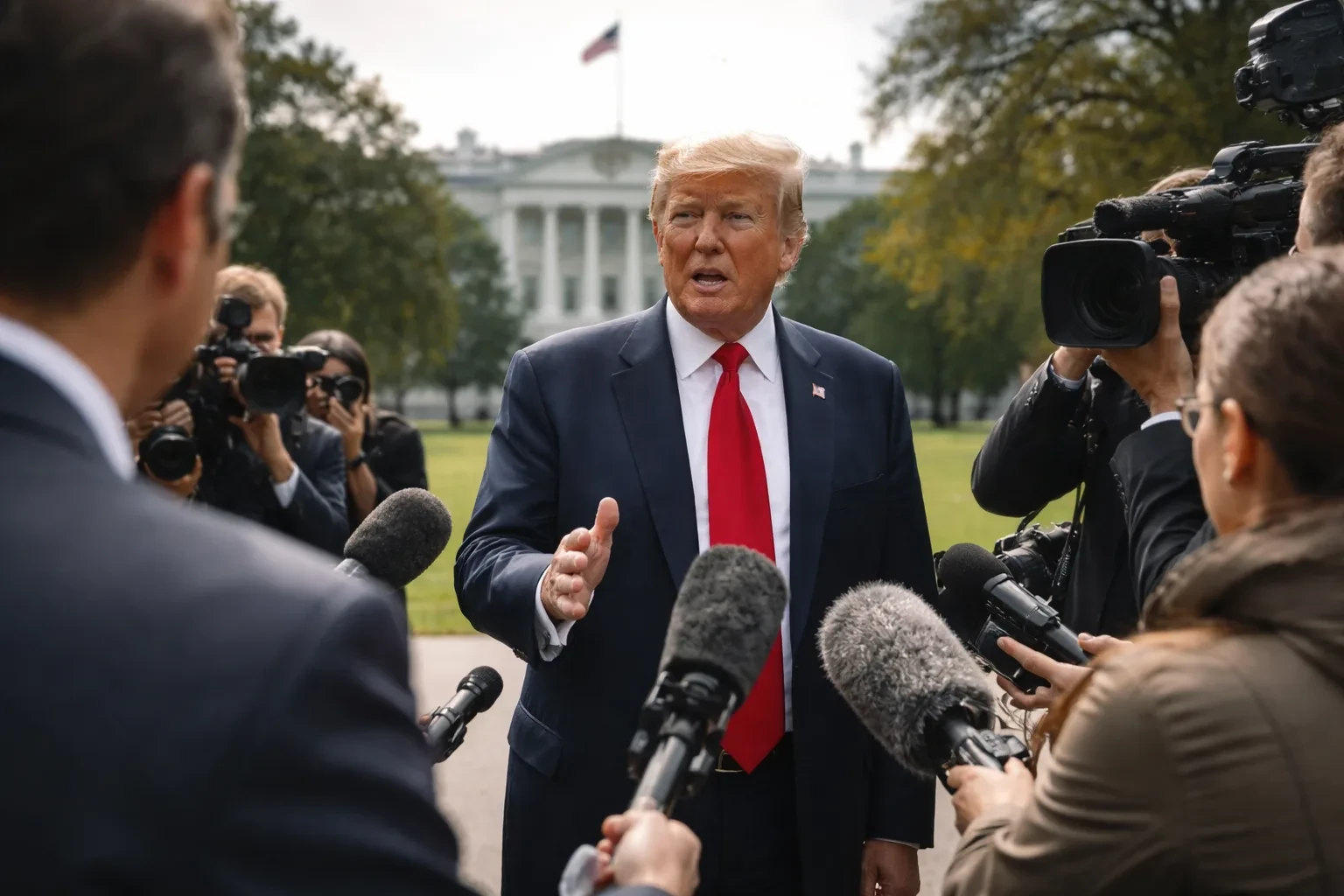
President Donald Trump announced on Wednesday that the United States has not yet reached a satisfactory agreement with Iran. Speaking during a public cabinet meeting in Washington, Trump noted that while Tehran appears eager to finalize an accord to end the current conflict, the US will not be rushed into a deal that does not meet its requirements.
What's new in this update
Trump characterized the Iranian government as 'negotiating on fumes' and signaled that the US is prepared to 'finish the job' through military means if the diplomatic path fails. This follows reports from Iranian state television claiming a draft agreement was in place involving the withdrawal of US forces and the reopening of the Strait of Hormuz—claims the White House subsequently branded as fabrications.
Key details
US Secretary of State Marco Rubio confirmed that 'some progress' has been made in recent days but declined to offer specifics on the remaining points of contention. The 14 points reported by Iranian media, which included significant US concessions, have not been addressed in detail by US officials other than to deny the validity of the leaked text.
Background and context
The current diplomatic push follows a period of intense escalation that began on February 28 with US and Israeli strikes against Iran. Iran responded by attacking US-allied states and closing the Strait of Hormuz, causing a spike in global oil prices. A ceasefire established on April 8 has largely stopped the fighting, but a permanent political settlement remains elusive.
What to watch next
Negotiators are expected to continue talks over the next few hours and days. The primary focus will be on whether the two sides can bridge the gap between Iranian demands for a total US regional withdrawal and Washington's requirements for a long-term security framework.
Why it matters
The outcome of these negotiations will determine if the April 8 ceasefire holds or if the region returns to active conflict involving global oil shipping disruptions.
Read next
Follow this story through the topic hub, more world coverage, and the latest updates.
Weekly briefing
Get the week's key developments in one concise email.
Get a fast catch-up on the biggest stories, the context behind them, and the links worth your time.
Cadence
Weekly, for a quick catch-up
Coverage
AI, business, world, security, sports
Format
Clear takeaways and useful context
Request the briefing
Leave your email to open a prepared request and get on the list for the weekly briefing.
Author
See who assembled this story and follow more of their work.
Sources and methodology