Why California Election Results Take Weeks to Finalize
High mail-in ballot volume and meticulous verification processes contribute to extended reporting timelines in the nation's most populous state.
Primary source: BBC World News. Full source links and update notes are below.
Fast summary
Start here
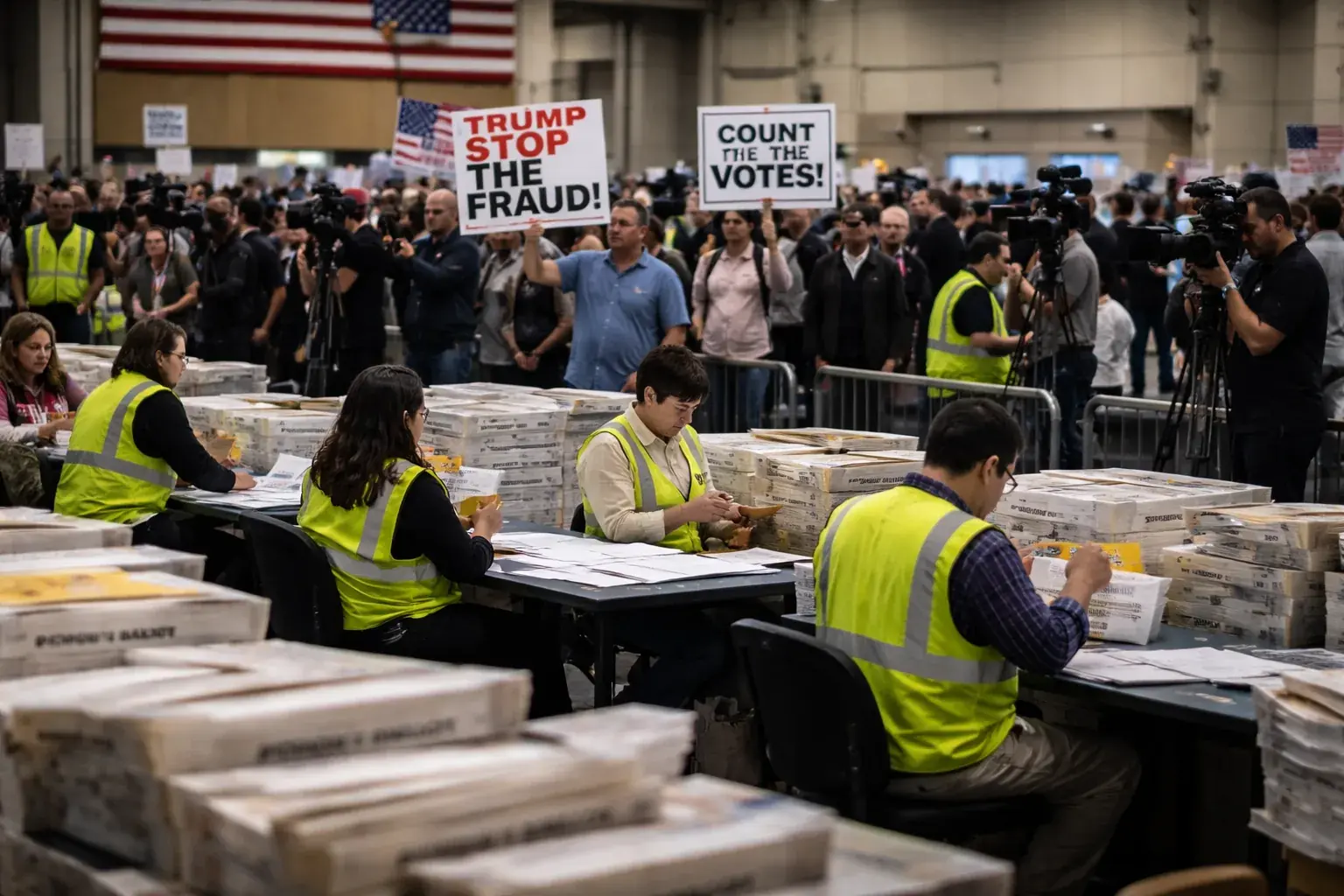
- Approximately 80% of California's 23 million registered voters use mail-in ballots, which require manual sorting and signature validation.
- Ballots postmarked by election day remain valid even if they arrive as late as June 9, delaying the final certification until July.
- The delay has prompted allegations of election interference from Donald Trump, which Governor Gavin Newsom's office has dismissed as misinformation.
What happened
Election officials in California are continuing to process millions of ballots days after the Tuesday primary, a process that Secretary of State Shirley N. Weber described as normal and expected. The delay is particularly visible in Los Angeles, where incumbent Mayor Karen Bass faces a challenge from Spencer Pratt, and in the gubernatorial race where early counts indicate a lead for Republican candidate Steve Hilton.
What's new in this update
As of Thursday, approximately 56% of votes have been counted. Donald Trump has used the processing timeline to allege that Democrats are attempting to steal the election, renewing his calls for Congress to pass the Save America Act. Governor Gavin Newsom's office countered these claims on social media, clarifying that the state's verification procedures are designed for accuracy and legal compliance.
Key details
California's 58 counties have up to 30 days after election day to finalize their counts. Mail-in ballots are sent to every registered voter and remain valid if they reach county offices by June 9. Currently, Republican Steve Hilton holds 27.6% of the gubernatorial vote, though officials warn that this lead could shift as the remaining 44% of ballots—largely mail-in entries—are processed.
Background and context
The tension over mail-in voting in California follows a series of executive actions by Donald Trump aimed at limiting the practice nationwide. In April 2026, he signed an order to create eligibility lists for mail-in voters, a move critics and legal experts argue exceeds federal authority. California remains a primary target for such rhetoric due to its deeply liberal voting base and universal mail-in ballot system.
What to watch next
Final results from the primary must be reported to the California Secretary of State by July 3, 2026. The Secretary is scheduled to certify the final results on July 10. Observers are closely watching whether the current leads in the mayoral and gubernatorial races will hold as more late-arriving mail-in ballots are validated and added to the official tally.
Why it matters
The delay in results affects leadership races in Los Angeles and the California governorship, influencing the political trajectory of the largest US state economy.
Read next
Follow this story through the topic hub, more world coverage, and the latest updates.
Weekly briefing
Get the week's key developments in one concise email.
Get a fast catch-up on the biggest stories, the context behind them, and the links worth your time.
Cadence
Weekly, for a quick catch-up
Coverage
AI, business, world, security, sports
Format
Clear takeaways and useful context
Request the briefing
Leave your email to open a prepared request and get on the list for the weekly briefing.
Author
See who assembled this story and follow more of their work.
Sources and methodology