Trump Embraces Rising Inflation as US Military Launches New Strikes
The president claimed he 'loves the inflation' as prices rose 4.2% in May, driven by energy costs and the closure of the Strait of Hormuz.

World correspondent
Reports on international affairs, diplomacy, and humanitarian developments with an emphasis on official statements, multilateral institutions, and regional context.
Editorial responsibility: Lead reviewer for geopolitics, international institutions, and crisis coverage
Primary source: BBC World News. Full source links and update notes are below.
Fast summary
Start here
- The US Consumer Price Index rose 4.2% in May, representing the fastest annual increase in three years.
- President Trump stated he 'loves the inflation,' later clarifying that he meant it was lower than expected despite the wartime economy.
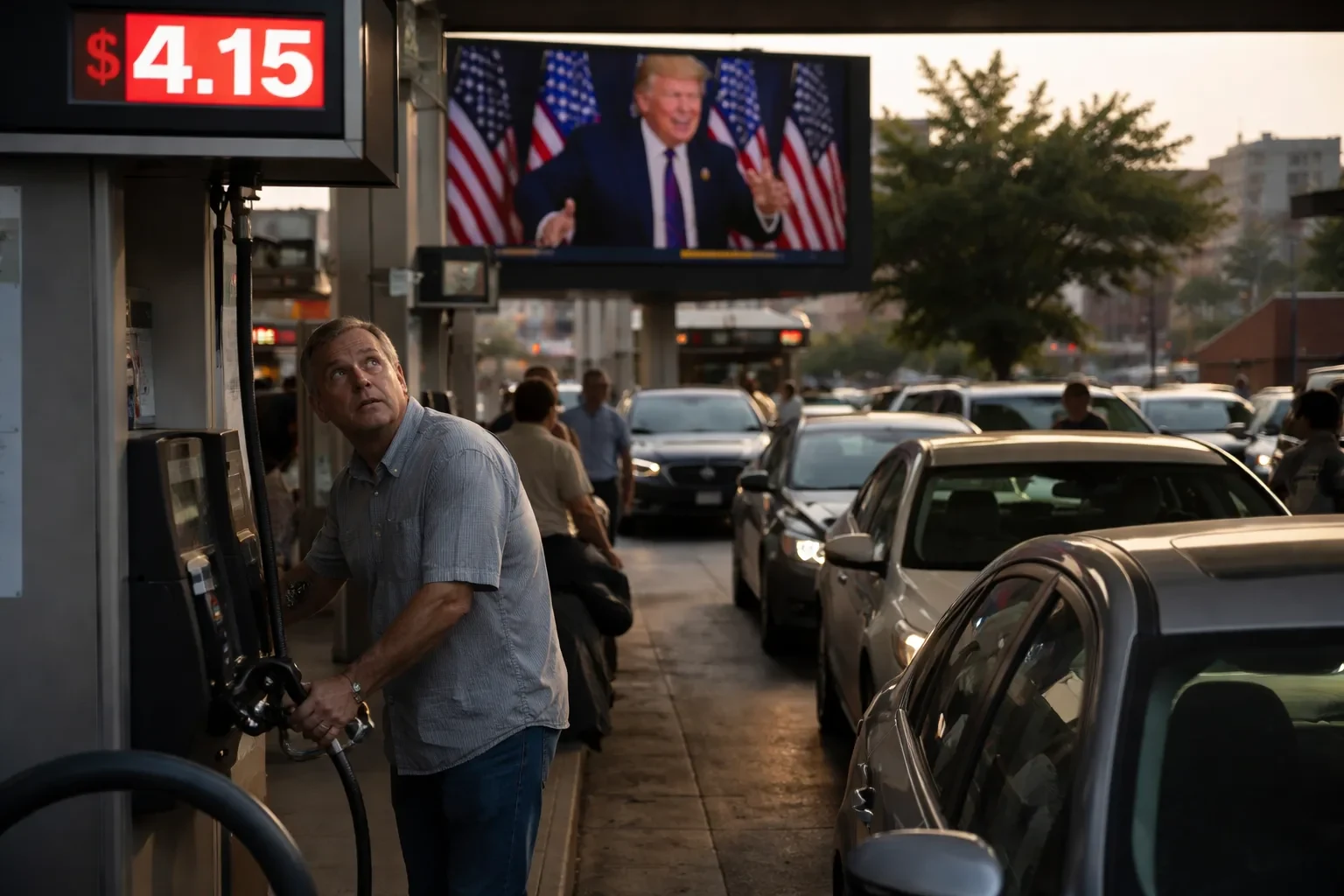
- US forces launched new strikes on Iran to secure oil supplies as petrol prices reached an average of $4.15 per gallon.
What happened
Donald Trump sparked controversy with an "I love the inflation" remark after new U.S. data showed consumer prices rose 4.2% in May, the fastest annual increase in three years. The comment landed badly because it came at a time when households were already facing higher fuel costs and broader anxiety about the economic impact of renewed Middle East conflict and energy disruption.
When inflation is climbing, political language matters. Voters rarely hear rising prices as an abstract economic statistic. They feel them in groceries, transport, and energy bills. That is why even a short phrase from a president can become a flashpoint when it appears to minimize or misread what people are experiencing.
What's new in this update
The immediate controversy is not only the wording itself, but the broader context in which it was made. Trump's remarks came alongside a new inflation reading and amid reports of further U.S. strikes on Iran, a combination that linked economic stress at home with military escalation abroad.
The White House and Trump later tried to frame the comment differently, suggesting he meant inflation was lower than some forecasts had predicted given wartime conditions. But by then the phrase had already broken loose into the public debate, where its plain meaning was always likely to dominate.
Key details
The latest Consumer Price Index data showed annual inflation at 4.2%, driven heavily by energy costs. The rise followed months of tension in energy markets tied to instability around the Strait of Hormuz, a critical chokepoint for global oil supply.
The economic consequences are visible in several areas:
- Petrol prices rose to around $4.15 per gallon
- Energy costs pushed up transportation and household budgets
- Broader price pressure affected sectors such as recreation and medical care
- Markets remained sensitive to further military escalation
This is why the political backlash was swift. Inflation does not need to be near record peaks to become electorally toxic. It only needs to be persistent enough that voters feel it is eroding everyday purchasing power.
Background and context
The Trump inflation remark also lands in a highly charged political environment. The administration has been trying to manage the domestic consequences of external conflict while arguing that price pressures remain containable. But the link between war-related energy shocks and U.S. consumer prices has made that message harder to sustain.
Inflation remains below the highs seen in earlier cycles, but that does not reduce the political risk. Once price growth reaccelerates, especially when driven by fuel, it tends to dominate public sentiment quickly. The Federal Reserve's longer-term target remains far below the current reading, which means pressure can build not only on the White House but also on interest-rate expectations and financial conditions.
This is what makes the comment so combustible. It was not just rhetorically awkward. It cut against the political instinct most leaders follow during inflationary periods, which is to show empathy, seriousness, and concern rather than rhetorical confidence.
What to watch next
The next major question is whether inflation cools or continues climbing as the energy shock works its way through the economy. If oil markets remain unstable and the Strait of Hormuz stays disrupted, price pressures could remain elevated longer than the administration wants.
Three follow-up issues matter most:
- Whether fuel prices continue rising in the coming weeks
- Whether U.S. military escalation increases economic pressure further
- Whether Trump's phrasing becomes a lasting political liability
If inflation persists and the remarks continue circulating, the controversy may shift from a communications problem into a more durable test of economic credibility.
Why this matters
The Trump sparks controversy with "I love the inflation" remark story matters because it sits at the intersection of economics, war, and political messaging. Rising prices are already one of the hardest issues for any administration to manage. A remark that appears to celebrate or dismiss them only sharpens the risk.
More broadly, the episode shows how quickly inflation data can become a narrative battle when consumers are under pressure and foreign policy is feeding directly into domestic costs.
Why it matters
The combination of record inflation and an escalating military conflict in the Middle East poses a significant political challenge for the administration ahead of the November midterm elections.
Read next
Follow this story through the topic hub, more world coverage, and the latest updates.
Weekly briefing
Get the week's key developments in one concise email.
Get a fast catch-up on the biggest stories, the context behind them, and the links worth your time.
Cadence
Weekly, for a quick catch-up
Coverage
AI, business, world, security, sports
Format
Clear takeaways and useful context
Request the briefing
Leave your email to open a prepared request and get on the list for the weekly briefing.
About the byline
World correspondent
Leila Haddad covers world affairs, diplomacy, and humanitarian crises, with a focus on how fast-moving international developments affect public policy, conflict response, and cross-border institutions.
Sources and methodology