Trump’s Push to End Iran Conflict Stalls as Tehran Demands Sanctions Relief
President Trump faces a complex diplomatic bind as Iran maintains its leverage over global oil shipping despite ongoing mediated talks.
Primary source: BBC World News. Full source links and update notes are below.
Fast summary
Start here
- Iran is demanding sanctions relief and unfrozen assets as a prerequisite for reopening the vital Strait of Hormuz waterway.
- Renewed Israeli strikes on Beirut have narrowed diplomatic options for the Trump administration to secure a broader regional deal.
- The global economy continues to lose approximately 20% of its oil and gas supply due to the closure of the Strait since February 28.
What happened
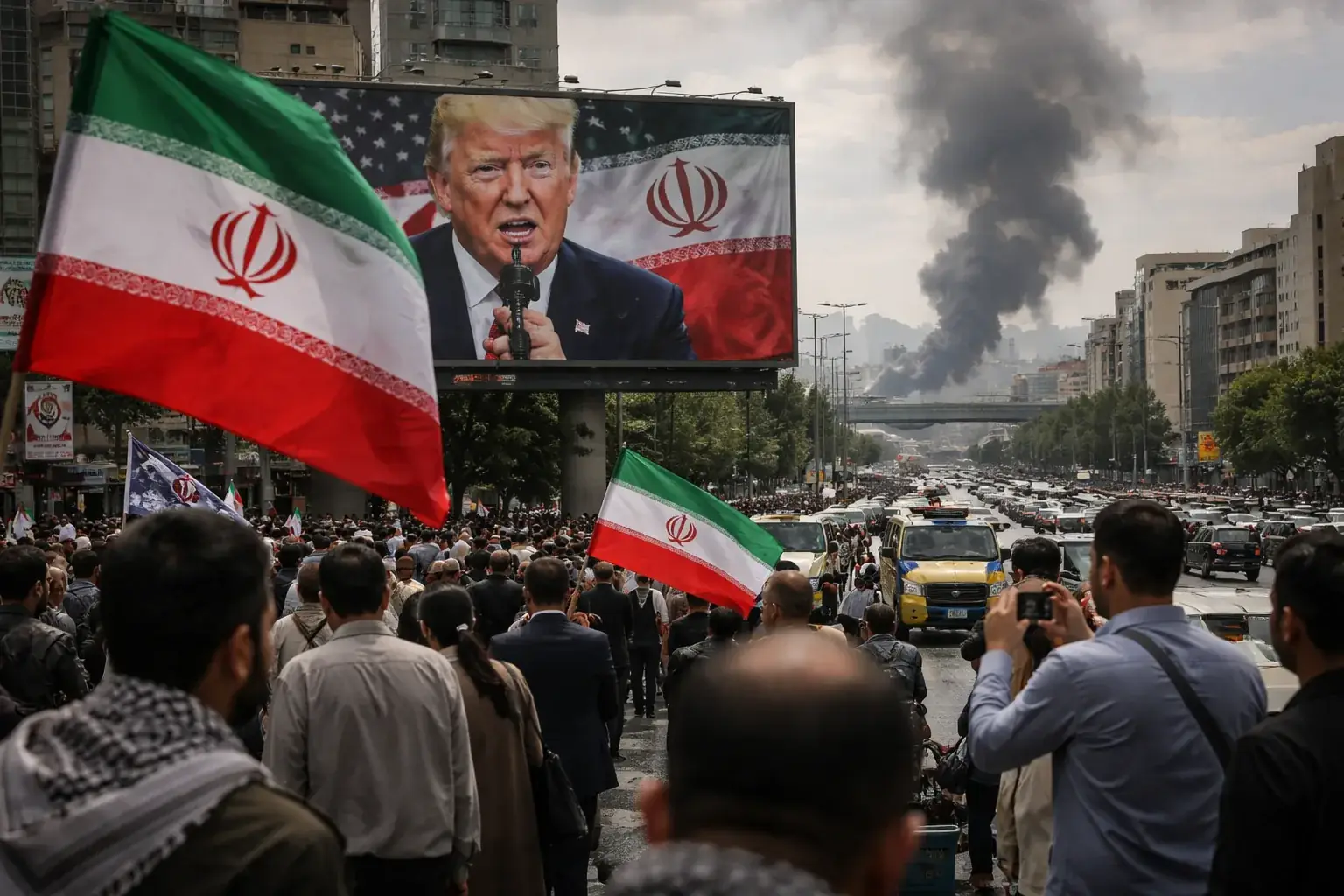
Mediated talks between the United States and Iran are continuing through intermediaries in Pakistan and Qatar, yet a definitive resolution remains elusive. While both nations have signaled a preference to avoid a return to full-scale war following an April 8 ceasefire, Iran has publicly refused to cede ground. The Iranian regime remains on high alert, utilizing the current pause to reorganize and repair infrastructure damaged by previous U.S. and Israeli strikes.
What's new in this update
The diplomatic landscape has grown more restrictive following Israel's declaration that its bombers would return to Beirut. Prime Minister Benjamin Netanyahu remains skeptical of any arrangement with Tehran, and his renewed offensive in Lebanon further complicates President Trump’s efforts to restrain the conflict. Iran has indicated that any progress toward a wider deal must include an end to the Israeli offensive and specific relief from economic sanctions.
Key details
The Strait of Hormuz remains nearly stagnant after Iran closed the waterway following attacks by the U.S. and Israel on February 28. Although Saudi Arabia and the United Arab Emirates are utilizing alternative pipelines to bypass the Strait, the global market is still missing a fifth of its usual oil and gas exports. This supply shock persists despite the U.S. no longer depending directly on Gulf oil, as domestic petrol prices remain tethered to the global market.
Background and context
President Trump currently finds himself enmeshed in the consequences of a conflict that critics suggest underestimated the Islamic regime’s capacity for resistance. The war has become increasingly unpopular within the United States, yet the concessions required to normalize trade—such as unfreezing Iranian assets—are fiercely opposed by hawks within the Republican Party. This creates a political bind where the U.S. president must choose between a protracted economic disruption and a deal that could be framed as a concession to Tehran.
What to watch next
The immediate focus for negotiators is the establishment of a 'memorandum of understanding' to set a formal agenda for future talks. Success depends on whether the Trump administration can offer enough sanctions relief to reopen the Strait of Hormuz without alienating domestic allies or the Israeli government. Meanwhile, the Iranian regime appears content to maintain the current tension to extract maximum leverage from the U.S. president.
Why it matters
The continued closure of the Strait of Hormuz threatens global economic stability and puts the Trump administration in a difficult position between domestic oil prices and geopolitical concessions.
Read next
Follow this story through the topic hub, more world coverage, and the latest updates.
Weekly briefing
Get the week's key developments in one concise email.
Get a fast catch-up on the biggest stories, the context behind them, and the links worth your time.
Cadence
Weekly, for a quick catch-up
Coverage
AI, business, world, security, sports
Format
Clear takeaways and useful context
Request the briefing
Leave your email to open a prepared request and get on the list for the weekly briefing.
Author
See who assembled this story and follow more of their work.
Sources and methodology