Right-Wing Outsider "El Tigre" Claims Victory in Narrow Colombia
Abelardo de la Espriella, endorsed by Donald Trump, defeated left-wing candidate Iván Cepeda in an initial count that signals a shift toward military-led

World correspondent
Reports on international affairs, diplomacy, and humanitarian developments with an emphasis on official statements, multilateral institutions, and regional context.
Editorial responsibility: Lead reviewer for geopolitics, international institutions, and crisis coverage
Primary source: BBC World News. Full source links and update notes are below.
Fast summary
Start here
- Abelardo de la Espriella secured 49.7% of the vote against Iván Cepeda's 48.7% with over 99% of ballots counted.
- The candidate, nicknamed 'El Tigre,' campaigned on a platform of military crackdowns against drug trafficking and illegal armed groups.
- Opponent Iván Cepeda has not conceded, stating he will wait for the official canvass and verification before recognizing the result.
What happened
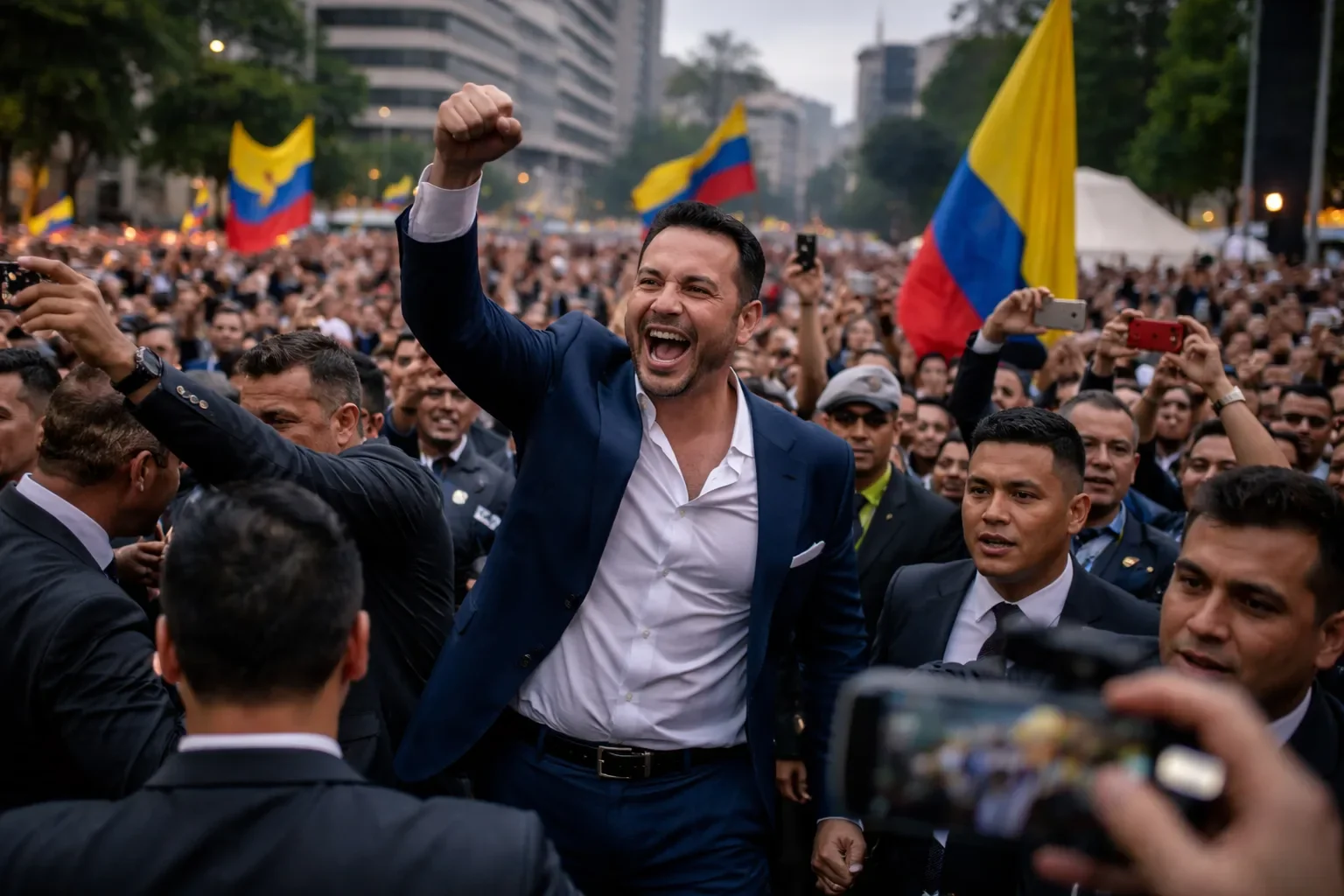
Right-wing outsider Abelardo de la Espriella has claimed victory in Colombia's presidential runoff after an initial count gave him a narrow lead over left-wing rival Iván Cepeda. With more than 99% of ballots reportedly counted, the result points to a sharp political turn in Colombia, where voters appear to have chosen a candidate promising hardline security measures over continuity with the current political direction associated with Gustavo Petro.
The closeness of the result means the election is politically explosive even before it is fully settled. A narrow margin in a polarized environment rarely ends the argument on election night.
Why the result matters
The Colombia presidential runoff matters because it may signal a major change in the country's governing priorities. De la Espriella campaigned as a combative outsider, styled himself as "El Tigre," and aligned openly with a law-and-order message centered on military force, anti-cartel rhetoric, and a more confrontational response to armed groups.
That is a clear contrast with the more left-wing and reform-oriented political moment that brought Petro to power. If the result holds, it suggests a meaningful share of the electorate is now prioritizing security and state force over gradual institutional change.
Why the Trump connection stands out
The endorsement and praise from Donald Trump give the result an added international dimension. De la Espriella's campaign leaned into a populist style that many observers immediately recognized: nationalist language, anti-establishment branding, and a promise to restore order through strength. The Trump-backed outsider framing matters because it places the Colombian result inside a broader pattern of right-wing populist movements borrowing narrative tools from one another across borders.
That does not mean Colombian voters were simply importing American politics. It means campaign style and political symbolism are increasingly transnational, especially when candidates want to present themselves as insurgents against a distrusted establishment.
Security is at the center of the mandate
The clearest policy takeaway is security. De la Espriella campaigned on aggressive action against drug trafficking, illegal armed groups, and violent crime. In a country where security remains one of the most emotionally and politically powerful issues, that message has obvious force.
Supporters will see the result as a mandate for firmer state action. Critics will worry that military-first rhetoric can weaken civil protections, complicate peace efforts, and intensify internal conflict rather than resolve it. Both readings are likely to shape the coming transition.
Why the narrow margin matters
The fact that Iván Cepeda has not conceded immediately is important. In a runoff this close, legal verification and official canvassing take on heightened significance. Even if the final result confirms de la Espriella's lead, the path to an uncontested transition may not be smooth.
That creates two immediate risks:
- Political unrest in cities where the result is rejected or heavily contested.
- A legitimacy dispute that shadows the start of the next administration.
When a country is already polarized, a narrow win can create authority without consensus.
What this could mean for Colombia next
If de la Espriella becomes president officially, Colombia may move toward a more security-heavy governing posture and a sharper rhetorical break from Petro-era politics. Relations with business elites, the military, and international right-leaning allies could strengthen. At the same time, domestic opposition may harden quickly, especially if the new administration treats dissent as disorder rather than democratic resistance.
What to watch next
The next major developments are the official canvass, any formal legal challenges, and the response from Cepeda's camp and Petro's allies. After that, attention will turn to cabinet signals and whether de la Espriella governs as a pure populist outsider or moves quickly to build institutional alliances.
Why this matters
The Abelardo de la Espriella Colombia election result matters because it may mark a consequential rightward turn in one of Latin America's most important democracies. A narrow runoff win on a security-first platform can reshape not only domestic policy, but the tone and direction of Colombian politics for years to come.
Why it matters
The election of a Trump-backed populist marks a sharp pivot from the policies of President Gustavo Petro, potentially reshaping Colombia's internal security strategy.
Read next
Follow this story through the topic hub, more world coverage, and the latest updates.
Weekly briefing
Get the week's key developments in one concise email.
Get a fast catch-up on the biggest stories, the context behind them, and the links worth your time.
Cadence
Weekly, for a quick catch-up
Coverage
AI, business, world, security, sports
Format
Clear takeaways and useful context
Request the briefing
Leave your email to open a prepared request and get on the list for the weekly briefing.
About the byline
World correspondent
Leila Haddad covers world affairs, diplomacy, and humanitarian crises, with a focus on how fast-moving international developments affect public policy, conflict response, and cross-border institutions.
Sources and methodology