Trump Announces Signed Agreement to End Iran War, Plans Friday Formalization
The preliminary deal establishes a 60-day ceasefire and prepares for the reopening of the Strait of Hormuz, though regional tensions and nuclear verification remain hurdles.
Primary source: BBC World News. Full source links, newsroom standards, and correction details are below.
Fast summary
Start here
- Trump confirmed a preliminary deal to end the Iran war was signed electronically by the US and Iran.
- A 60-day ceasefire extension has been established to allow for the negotiation of a final settlement.
- The Strait of Hormuz is scheduled to officially reopen on Friday, coinciding with a formal signing ceremony in Geneva.
What happened
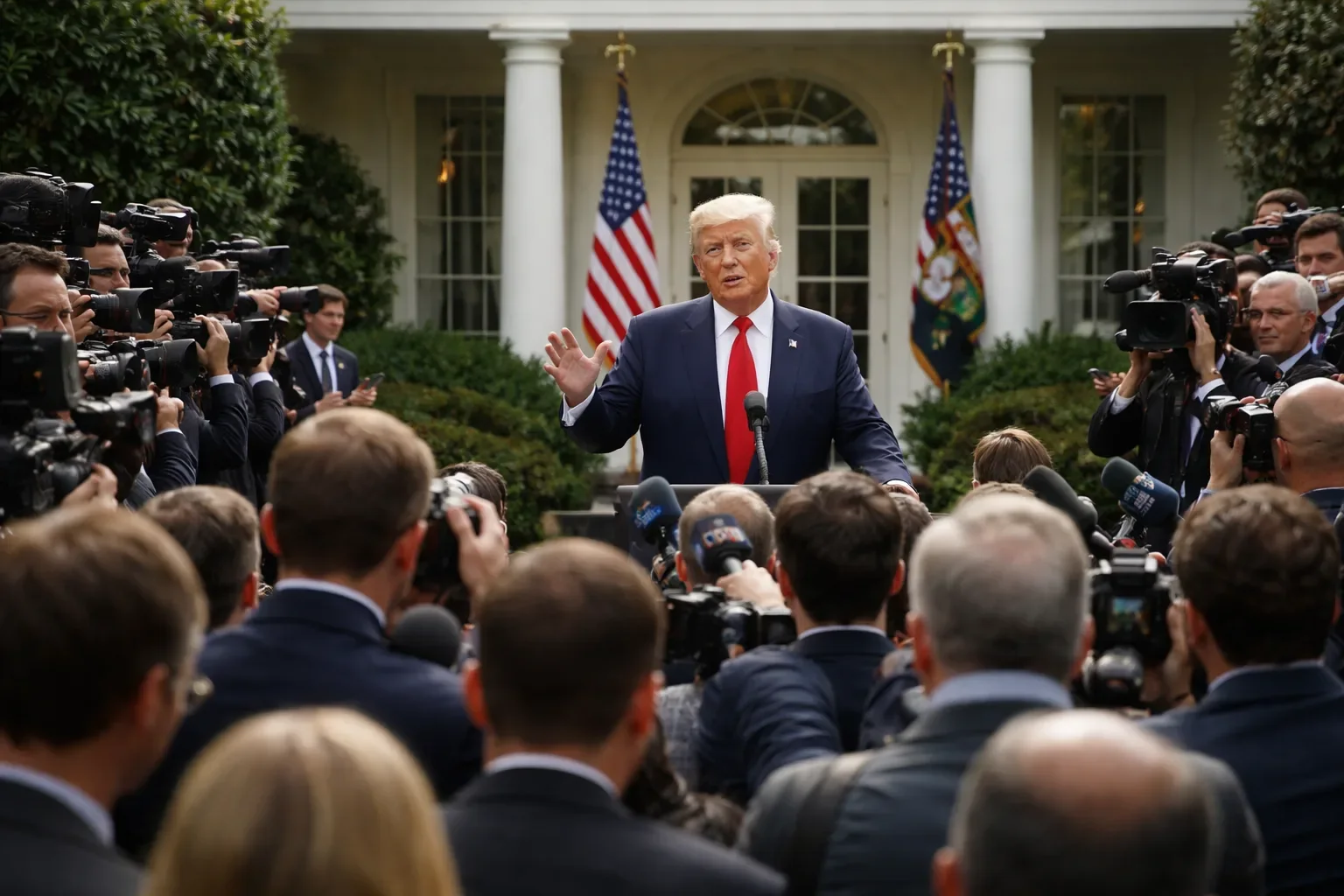
US President Donald Trump confirmed on Monday that a preliminary agreement to terminate the conflict with Iran has been signed. Speaking at the G7 summit in France alongside French President Emmanuel Macron, Trump stated that the "deal is all signed" and indicated that the full text would be made public "pretty soon" following a formal signing ceremony scheduled for Friday in Geneva. The deal, which was reportedly signed electronically by Trump, Vice President JD Vance, and Iranian Parliament Speaker Mohammad Bagher Ghalibaf, marks a significant diplomatic shift after months of escalating regional hostilities and maritime blockades. While the full document remains under wraps, senior US officials have begun briefing the press on the timeline for implementation, including the restoration of maritime traffic in one of the world's most critical energy corridors.
What's new in this update
The most immediate impact of the announcement is the cessation of the US naval blockade of Iranian ports. President Trump claimed on social media that ships, many carrying oil, have already begun moving through the Strait of Hormuz ahead of its official reopening. Pakistani Prime Minister Shehbaz Sharif, whose government acted as a primary mediator in the talks, announced on Sunday that the framework includes the "immediate and permanent termination of military operations on all fronts." This encompasses a 60-day extension of a current ceasefire, providing a window for both nations to negotiate the finer points of a long-term, comprehensive agreement. US officials clarified that while Lebanon is included in the ceasefire framework, the deal does not mandate the withdrawal of Israeli forces from Lebanese territory—a point of ongoing contention in the region.
Key details
The agreement's success hinges on technical verification and the resolution of long-standing nuclear concerns. Technical discussions regarding Iran’s nuclear programme are slated to begin this week. Vice President JD Vance emphasized that the prevention of Iran possessing a nuclear weapon is "built into this agreement" and that the US will be able to verify compliance. In exchange, Iran is seeking the release of tens of billions of dollars in frozen oil revenues and comprehensive sanctions relief. However, US officials noted that any lifting of sanctions or asset release will be strictly contingent on Iran meeting its specific commitments under the new framework. European leaders from the UK, France, Germany, and Italy issued a joint statement expressing support for the deal while reiterating that sanctions relief would only follow "clear, verifiable steps" by Tehran.
Background and context
The "maximum pressure" campaign and subsequent military operations have defined US-Iran relations in recent years, leading to what many described as a state of open conflict. This preliminary deal follows a period where global oil prices fluctuated due to the closure of the Strait of Hormuz and frequent regional skirmishes. Despite the announcement, deep-seated skepticism remains. Iran’s foreign ministry characterized the agreement as a "step towards reducing tensions" rather than a resolution of "deep mistrust," with state media portraying the deal as a surrender by the West. Conversely, Israel has maintained a hardline stance. Prime Minister Benjamin Netanyahu stated that Israeli forces would remain in security zones in Lebanon, Syria, and Gaza as long as necessary to prevent attacks, underscoring that Israel would not be bound by the deal's restrictions if its security were threatened.
What to watch next
The international community is now looking toward Wednesday, when the Trump administration is expected to release further details of the pact's specific provisions. The formal inking of the deal in Geneva on Friday will be the next major milestone, coinciding with the official reopening of the Strait of Hormuz. Observers will be closely monitoring the start of technical nuclear talks and whether the 60-day ceasefire holds on the ground, particularly in southern Lebanon where Israeli strikes and Hezbollah retaliations were reported as recently as Monday evening. A recent Israeli strike on a vehicle in Lebanon highlights the fragility of the peace. The coming weeks will determine if this preliminary framework can transition into a durable settlement or if the underlying issues of nuclear enrichment and regional proxy influence will cause the agreement to falter.
Why it matters
This agreement marks a potential de-escalation of a major regional conflict and the reopening of a vital global energy transit route, though significant verification challenges remain.
Read next
Follow this story through the topic hub, more world coverage, and the latest updates.
Weekly briefing
Get the week's key developments in one concise email.
Get a fast catch-up on the biggest stories, the context behind them, and the links worth your time.
Cadence
Weekly, for a quick catch-up
Coverage
AI, business, world, security, sports
Format
Clear takeaways and useful context
Request the briefing
Leave your email to open a prepared request and get on the list for the weekly briefing.
Author

The world desk follows geopolitics, humanitarian crises, diplomacy, and major international developments with an emphasis on fast updates and public-interest context.
Sources and methodology