Netanyahu Faces Political Crisis as US-Iran Ceasefire Deal Challenges Israel’s Security Strategy
The US-brokered agreement threatens the Israeli Prime Minister's 'Mr. Security' image while straining ties with Washington and fueling domestic opposition.
Primary source: BBC World News. Full source links, newsroom standards, and correction details are below.
Fast summary
Start here
- The US ceasefire agreement with Iran demands an end to Israeli attacks on Hezbollah in Lebanon, sparking outrage within Netanyahu's coalition.
- Donald Trump criticized Netanyahu’s judgment regarding recent strikes on Beirut, signaling a significant rift with Israel's closest ally.
- Opposition leaders and far-right ministers alike are framing the deal as a surrender of Israeli interests, complicating Netanyahu’s reelection prospects.
What happened
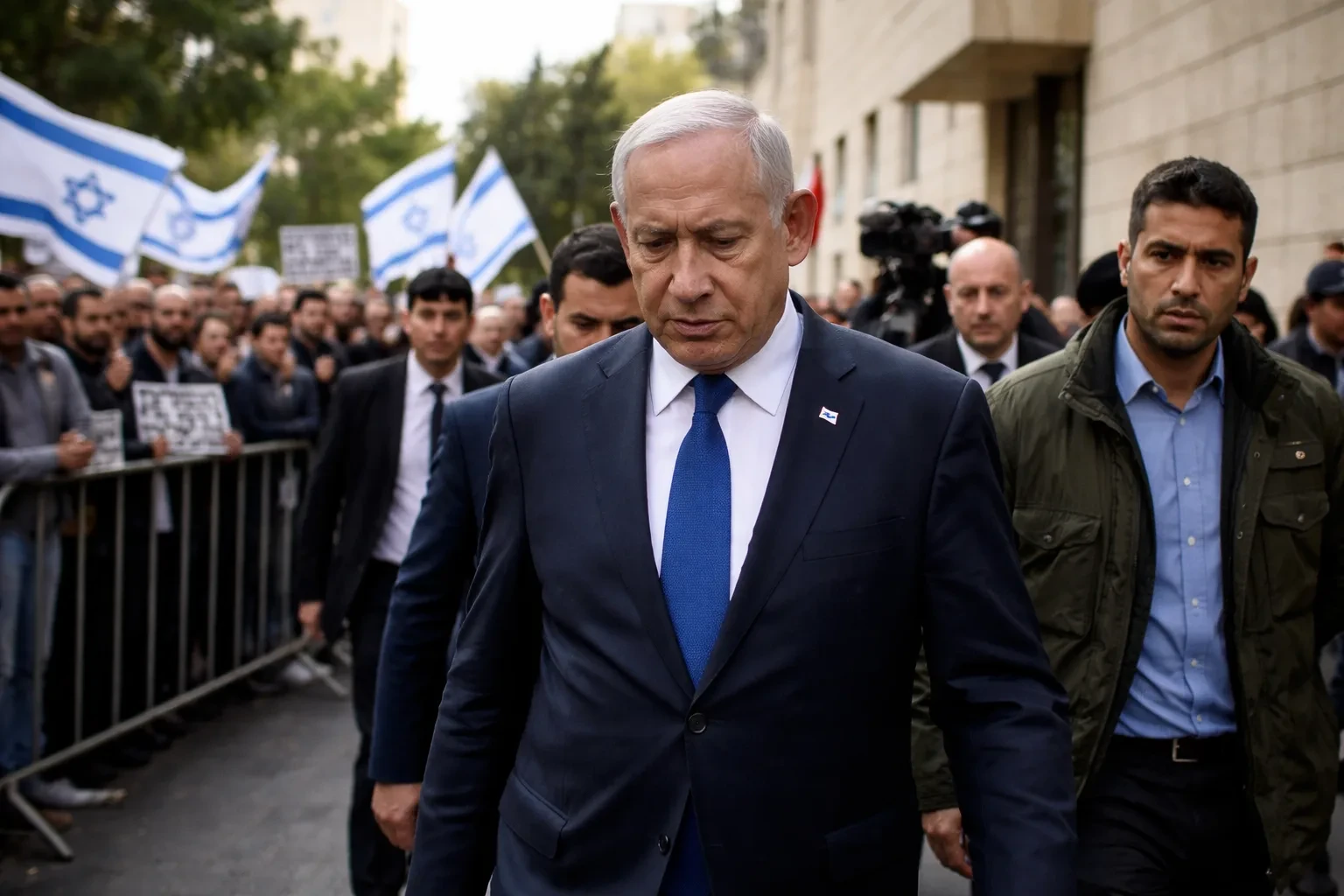
A US-brokered ceasefire agreement with Iran has fundamentally disrupted Israeli Prime Minister Benjamin Netanyahu’s political and security strategy. The deal, which calls for a cessation of military operations, specifically targets Israeli strikes against Hezbollah in Lebanon. This development has sidelined Netanyahu from a diplomatic process involving his most critical ally, the United States, and his primary regional adversary, Iran. The Prime Minister, who has long positioned himself as a master of Washington politics with unique influence over American leadership, now finds himself in a defensive position as the agreement appears to have been reached without his concurrence or favorable input, leaving his regional strategy in jeopardy.
What's new in this update
The most striking element of the current crisis is the public and expletive-laden criticism from U.S. President Donald Trump. Trump reportedly accused Netanyahu of showing 'no judgement' regarding a weekend strike on Beirut, a comment that has been seized upon by Netanyahu’s political rivals in the Knesset. Opposition leader Yair Lapid characterized the situation as a choice between a 'destructive confrontation' with the U.S. or a 'submissive surrender' of national interests. Furthermore, far-right members of Netanyahu’s own cabinet, including National Security Minister Itamar Ben-Gvir, have explicitly rejected the agreement on social media, stating that it does not bind Israel and fails to ensure the country's long-term security.
Key details
Under the terms of the demand from Tehran and Washington, Israel is expected to cease its campaign against Hezbollah in Lebanon, a move that comes just months before a required Israeli general election in October. Netanyahu maintains that Israel has successfully created a 'buffer zone' in Lebanon and intends to remain there as long as necessary to protect northern residents. However, former Mossad officials note that by allowing Iran to dictate the terms in Lebanon, the U.S. is effectively permitting Tehran to maintain Hezbollah as a major political and military actor. This contradicts the security establishment's goal of removing the threat of the 'ring of fire' established by Iranian proxies around Israel's borders.
Background and context
Netanyahu’s political identity has been built on the twin pillars of preventing a nuclear Iran and maintaining Israeli security through aggressive deterrence. Since the Hamas-led attacks on October 7, 2023, he shifted from a policy of containment to one of pre-emption, leading to massive military operations in Gaza, Lebanon, and Syria. Despite the destruction in Gaza and the high death toll, Hamas retains control over significant portions of the territory, and a long-term administration plan remains in limbo. The current ceasefire deal threatens to dismantle the 'Mr. Security' image by forcing a diplomatic solution on a leader who has prioritized military force to reshape the Middle East landscape.
What to watch next
The immediate focus remains on whether Netanyahu will comply with the ceasefire or risk further isolation by continuing 'operational freedom' in Lebanon. Likud lawmakers have suggested that Israel will continue to protect itself regardless of international agreements, but any move perceived as sabotaging the deal could trigger a harsh response from Washington. Domestic pressure will likely intensify as the October election approaches, with the Israeli military already stretched thin by multi-front engagements and a heavy reliance on reservists. The survival of Netanyahu's governing coalition may depend on his ability to navigate this diplomatic minefield while convincing a skeptical electorate that he still holds sway over American foreign policy.
Why it matters
This development shifts the geopolitical balance in the Middle East, potentially neutralizing Israel's aggressive security policy while testing the resilience of the US-Israel alliance.
Read next
Follow this story through the topic hub, more world coverage, and the latest updates.
Weekly briefing
Get the week's key developments in one concise email.
Get a fast catch-up on the biggest stories, the context behind them, and the links worth your time.
Cadence
Weekly, for a quick catch-up
Coverage
AI, business, world, security, sports
Format
Clear takeaways and useful context
Request the briefing
Leave your email to open a prepared request and get on the list for the weekly briefing.
Author

The world desk follows geopolitics, humanitarian crises, diplomacy, and major international developments with an emphasis on fast updates and public-interest context.
Sources and methodology