Muslim Judge in India Faces Death Threats After Lynching Verdict
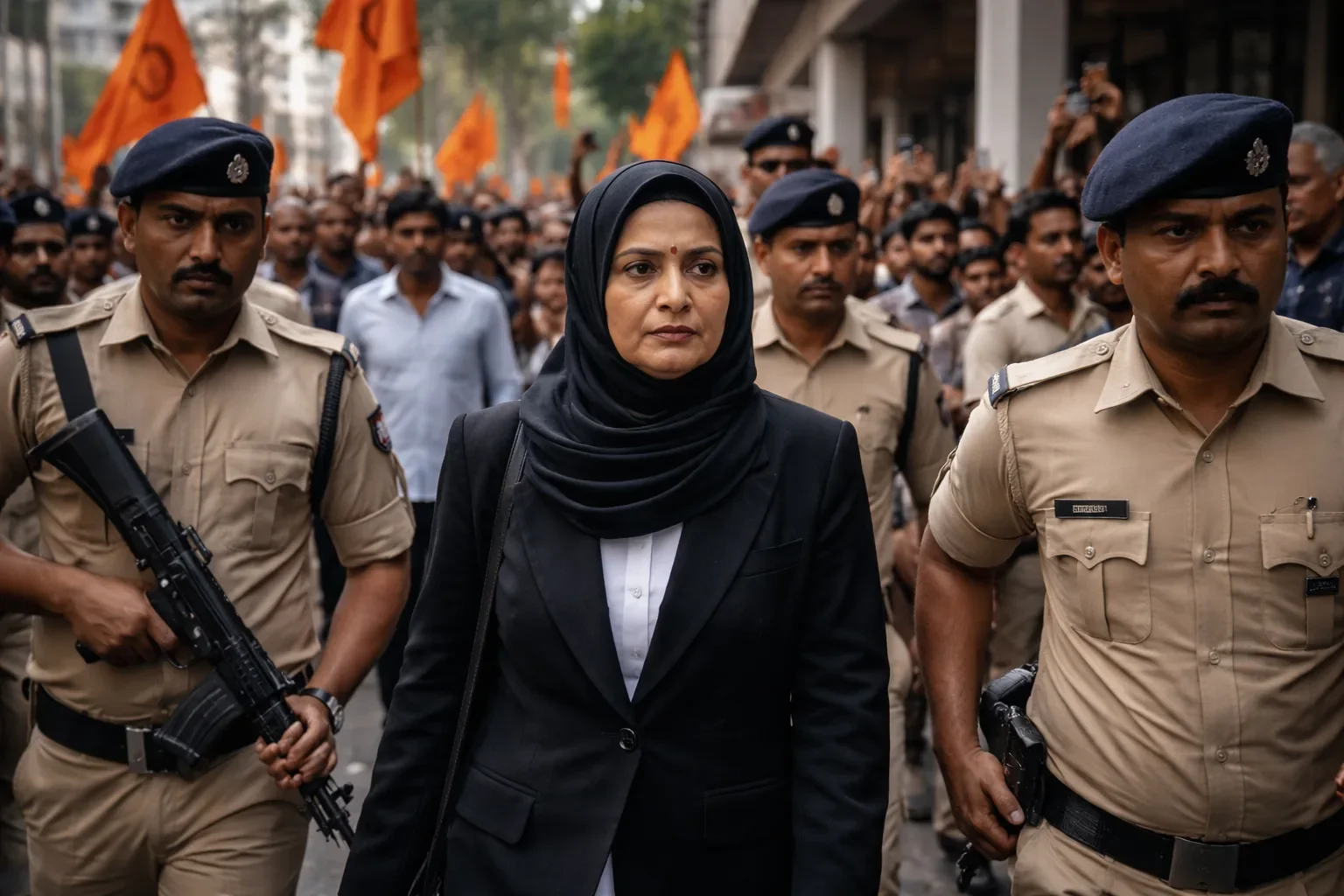
Judge Tabassum Khan was granted police protection after sentencing 14 men to life for the 2022 murder of Nazir Ahmad during a cow vigilantism incident.

World correspondent
Reports on international affairs, diplomacy, and humanitarian developments with an emphasis on official statements, multilateral institutions, and regional context.
Editorial responsibility: Lead reviewer for geopolitics, international institutions, and crisis coverage
Primary source: BBC World News. Full source links and update notes are below.
Fast summary
Start here
- Judge Tabassum Khan sentenced 14 men to life imprisonment for the 2022 mob lynching of 50-year-old Nazir Ahmad in Madhya Pradesh.
- Right-wing influencers and groups have targeted the judge with death threats and communal abuse focusing on her Muslim identity.
- Leading judicial bodies have called for protection as protests escalate across multiple states including Punjab and Uttar Pradesh.
What happened
In a significant ruling out of Madhya Pradesh, Additional District and Sessions Judge Tabassum Khan found 14 men guilty of murder, rioting, and wrongful restraint. The case stems from a 2022 incident where Nazir Ahmad, a 50-year-old man transporting cattle at night, was intercepted by a group of self-styled gau rakshaks or cow protectors. Armed with sticks and rods, the group assaulted Ahmad and his two companions on suspicion of smuggling cows. Ahmad later died from his injuries while his companions survived to testify in court regarding the brutality of the attack. Judge Khan’s judgment explicitly categorized the crime as a clear case of mob lynching. While the sentencing of the defendants to life imprisonment was a standard legal conclusion for such a violent crime, the reaction from various right-wing groups has been swift and volatile.
What's new in this update
The situation has escalated into a widespread campaign of harassment against Judge Khan following the June 12 verdict. In the days since the sentencing, social media platforms have been flooded with videos featuring right-wing influencers issuing rape threats and death threats against her. These influencers, whose faces and social media handles are clearly visible in the footage, have used communal slurs and urged followers to speak up against the ruling. One prominent video even warned of national bloodshed unless the convicted men are released within a ten-day window. Furthermore, physical protests have manifested in multiple states beyond Madhya Pradesh. In Punjab, the Gau Raksha Parishad burnt an effigy of the judge, while in Uttar Pradesh, the Rashtriya Bajrang Dal staged demonstrations demanding the immediate release of those convicted. This organized backlash has prompted authorities to provide Khan with specialized police protection.
Key details
The abuse directed at Judge Khan is notably focused on her Muslim identity rather than any specific flaw in her legal reasoning or the evidence presented during the trial. Family members of the convicted men gathered outside the courtroom to protest the judgment, attempting to block the police convoy from transporting the prisoners to jail. They argued the men were being unfairly punished for the act of saving cows, a sentiment echoed by anchors on right-wing news channels like Sudarshan News. One anchor claimed the families never imagined their relatives would be imprisoned for putting everything on the line to protect sacred animals. This narrative has been amplified across social media, where the verdict is framed not as a judicial response to a violent murder, but as a religiously motivated act of bias by a Muslim official against Hindu men. The scale of this communal rhetoric has raised significant alarms within India’s legal community.
Background and context
Cow vigilantism has become a recurring flashpoint in India, where many Hindus consider cows sacred and their slaughter is illegal in several states. Groups identifying as cow protectors often intercept vehicles transporting cattle, frequently leading to violent confrontations and lynchings. These incidents often target religious minorities, particularly Muslims, on suspicion of smuggling or slaughtering the animals. In this specific 2022 case, the survivors provided crucial testimony that detailed how the mob dragged them from their vehicle and used rods to beat Ahmad to death. Despite the factual basis of the trial and the specific evidence presented, the current backlash follows a trend where judicial decisions involving communal tensions are met with intense public pressure. Former Supreme Court judge Markandey Katju noted that these protests represent a dangerous inversion of justice, as they seek to delegitimize the court's authority by reducing a judge’s professional role to their personal religious background.
What to watch next
The primary concern moving forward is the safety of Judge Tabassum Khan and the potential for these protests to spark broader communal unrest across India. Legal experts are watching to see if the Madhya Pradesh High Court or the Supreme Court will issue formal statements or take suo motu cognizance of the threats against the lower court judge. There is also the matter of law enforcement’s response to the influencers who have openly incited violence and issued threats online. While many videos remain active and continue to garner thousands of likes and shares, the pressure on social media platforms to moderate such extremist content is mounting. Additionally, the appeal process for the 14 convicted men will likely become a new focal point for right-wing mobilization. The case serves as a critical test for how the Indian state protects its judicial officers from sectarian intimidation during high-profile trials involving religious sentiment and social tension.
Why it matters
This case highlights the intersection of judicial independence and communal tension in India, where religious identity is used to challenge legal authority.
Read next
Follow this story through the topic hub, more world coverage, and the latest updates.
Weekly briefing
Get the week's key developments in one concise email.
Get a fast catch-up on the biggest stories, the context behind them, and the links worth your time.
Cadence
Weekly, for a quick catch-up
Coverage
AI, business, world, security, sports
Format
Clear takeaways and useful context
Request the briefing
Leave your email to open a prepared request and get on the list for the weekly briefing.
About the byline
World correspondent
Leila Haddad covers world affairs, diplomacy, and humanitarian crises, with a focus on how fast-moving international developments affect public policy, conflict response, and cross-border institutions.
Sources and methodology