Red Alerts Cover Over Half of France as Extreme Heat Hits 43C
Extreme temperatures have forced the closure of hundreds of schools and disrupted rail travel across Western Europe as officials warn of a long-lasting

World correspondent
Reports on international affairs, diplomacy, and humanitarian developments with an emphasis on official statements, multilateral institutions, and regional context.
Editorial responsibility: Lead reviewer for geopolitics, international institutions, and crisis coverage
Primary source: BBC World News. Full source links and update notes are below.
Fast summary
Start here
- 49 of France's 96 regions are under the highest 'red' alert level, affecting an estimated 63 million people.
- Three heat-related deaths have been confirmed in the south-west Gironde region among elderly residents.
- National railway operator SNCF has reduced services and urged vulnerable passengers to postpone travel due to infrastructure risks.
What happened
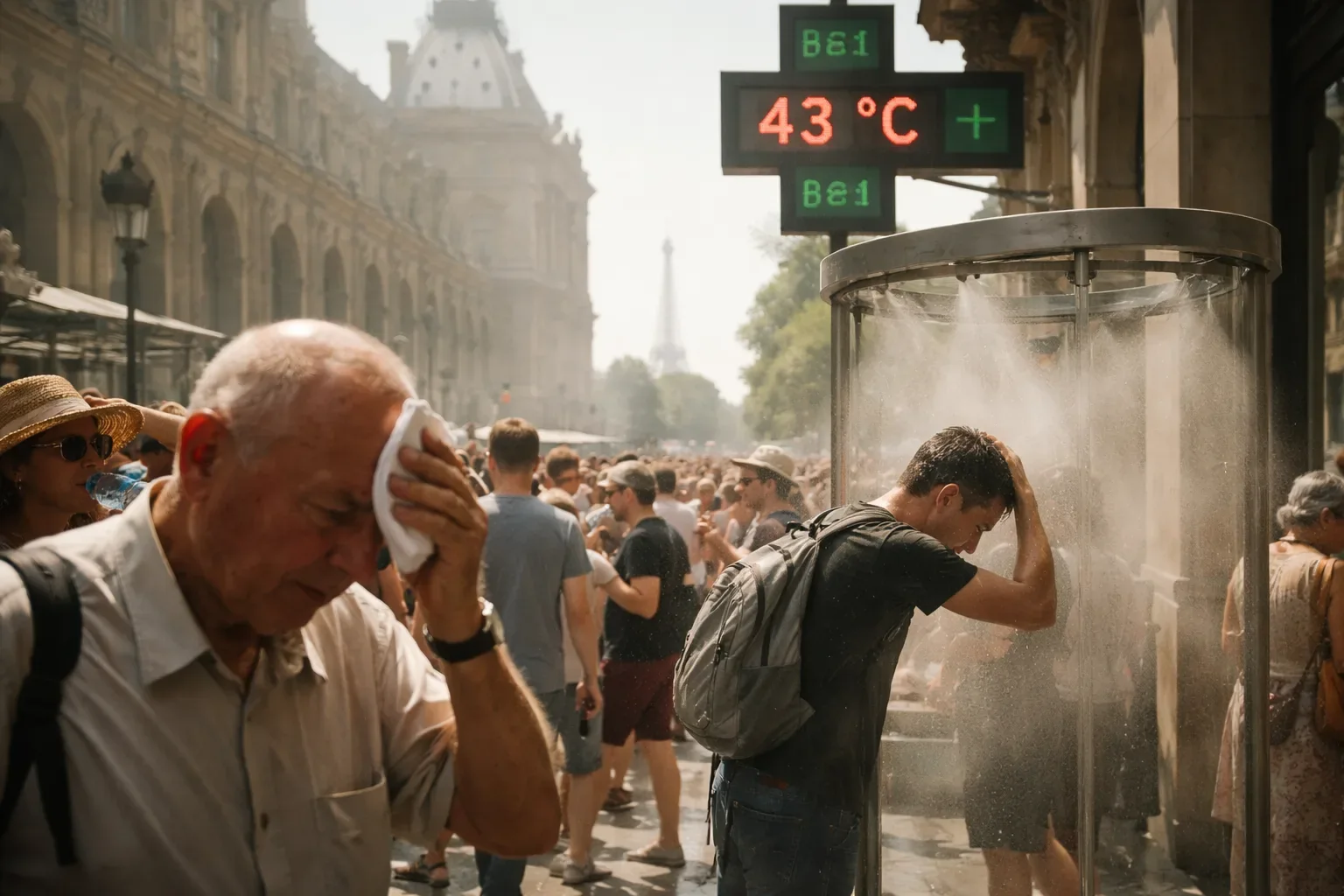
More than half of France is now under red heat alerts as a severe heatwave intensifies, with temperatures climbing as high as 43C and authorities warning that the event is both widespread and long-lasting. The emergency has already contributed to deaths, widespread school closures, and disruptions to rail service, turning what might once have been described as a weather event into a full-scale public safety challenge.
That makes the France heatwave red alert story about more than a hot week in June. It is a test of how a major European country handles extreme heat at population scale, and a reminder that heatwaves now strain schools, transport systems, health services, and local government in ways once associated more with storms or floods.
Why the red alert level matters
France's highest weather alert level is not issued lightly. When red alerts cover nearly half the country's regions, the signal is that the danger is exceptional rather than merely uncomfortable. The concern is not just daytime heat. It is sustained exposure, nighttime temperatures that limit recovery, and the heightened risk to elderly people, young children, medically vulnerable residents, and outdoor workers.
That matters because extreme heat becomes deadliest when it stops being episodic and starts becoming continuous. A few hot hours can be managed. Multiple days of intense temperature with little relief begin to turn private discomfort into systemic stress.
Why this heatwave is disrupting daily life so broadly
The closures of hundreds of schools show how deeply extreme heat can affect ordinary civic function. Classrooms, transport routines, and family schedules all become harder to manage when facilities are not built for prolonged extreme temperatures. The railway disruptions tell a parallel story. Heat does not only harm people directly. It also affects infrastructure through rail stress, equipment strain, and operational risk.
That is why the SNCF response is significant. Once national transport operators start urging vulnerable people to delay travel, the situation has moved beyond advisory language and into active risk management.
The public health pressure is already visible
Reports of heat-related deaths in Gironde underline the most serious consequence of the current France heatwave: people die when sustained heat overwhelms bodies and care systems. This is especially true among older residents and people who are isolated, medically fragile, or living without adequate cooling. Public warnings to check on neighbors and family members are therefore not symbolic. They are a core part of heatwave response.
That is one reason these events are increasingly framed as public health emergencies. Hospitals, emergency lines, care networks, and local authorities all become part of the response system.
Why climate context matters
France has faced damaging heat before, but the scale and intensity of repeated extreme events continue to sharpen the climate discussion. Whether or not every individual heatwave can be reduced to one cause, the broader pattern is forcing governments to think differently about resilience. Heat is no longer just a seasonal inconvenience. It is becoming a recurrent infrastructure and mortality risk.
That matters politically because adaptation requires money, planning, and long-term redesign. Cooling strategies, transport hardening, school retrofits, and urban heat mitigation all become more urgent when red alerts at this scale start feeling less exceptional.
What to watch next
The next key question is duration. If temperatures stay elevated through the week, the pressure on health services and transport will keep rising. Watch for additional school closures, further rail adjustments, higher mortality reporting, and whether other European countries face similar escalation as the heatwave continues moving across the region.
Why this matters
This France heatwave matters because it shows how extreme heat can now disrupt a major modern economy from multiple directions at once: health, schooling, transport, and local governance. Red alerts across much of the country are not just weather warnings. They are signals that heat has become one of the central public safety challenges Europe must now manage more routinely.
Why it matters
The scale of this heatwave is placing extreme pressure on public health services and critical infrastructure across one of Europe's largest economies.
Read next
Follow this story through the topic hub, more world coverage, and the latest updates.
Weekly briefing
Get the week's key developments in one concise email.
Get a fast catch-up on the biggest stories, the context behind them, and the links worth your time.
Cadence
Weekly, for a quick catch-up
Coverage
AI, business, world, security, sports
Format
Clear takeaways and useful context
Request the briefing
Leave your email to open a prepared request and get on the list for the weekly briefing.
About the byline
World correspondent
Leila Haddad covers world affairs, diplomacy, and humanitarian crises, with a focus on how fast-moving international developments affect public policy, conflict response, and cross-border institutions.
Sources and methodology