Japan Raises Visa Fees for Foreigners in First Hike Since 1978
Single-entry visa costs will jump from 3,000 to 15,000 yen as authorities move to align fees with other G7 economies and offset inflation.

World correspondent
Reports on international affairs, diplomacy, and humanitarian developments with an emphasis on official statements, multilateral institutions, and regional context.
Editorial responsibility: Lead reviewer for geopolitics, international institutions, and crisis coverage
Primary source: BBC World News. Full source links and update notes are below.
Fast summary
Start here
- Single-entry visa fees increased from 3,000 yen to 15,000 yen starting July 1.
- Multi-entry visa fees quintupled to 30,000 yen to reflect historic yen weakness and domestic inflation.
- Statutory limits for permanent residency applications will also rise significantly, reaching up to 300,000 yen.
What happened
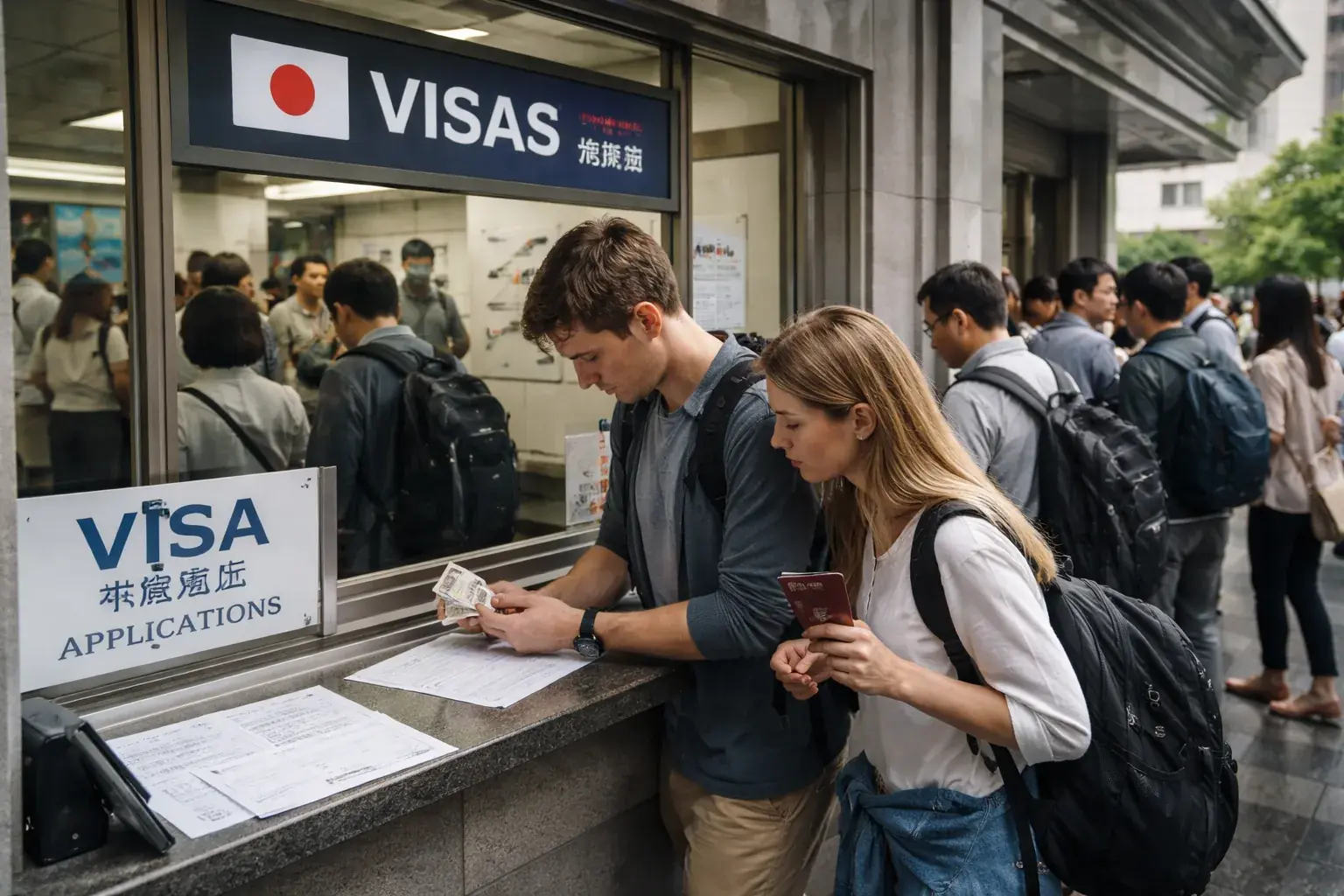
Japan has increased foreign visa fees five-fold in the country's first such hike since 1978, sharply raising the cost of single-entry and multi-entry visas as well as several residency-related application limits. The decision matters because it comes at a moment when Japan is welcoming record levels of international tourism even while trying to rebalance administrative costs against inflation, currency weakness, and broader policy modernization.
That is why the Japan visa fee increase is significant. It is not only a bureaucratic pricing change. It is a visible signal about how the country is recalibrating its approach to foreign entry and immigration processing after decades of relative fee stability.
Why the size of the increase matters
A five-fold increase is large enough to attract attention even in a period of global inflation. The jump from 3,000 yen to 15,000 yen for a single-entry visa is not a small administrative adjustment. It changes the psychological and practical cost of entry, especially for travelers who are more price-sensitive or who compare destinations closely.
That does not necessarily mean tourism will collapse. It does mean the policy is noticeable in a way incremental fee changes usually are not.
Why Japan says the hike is necessary
Japanese officials have pointed to the weak yen, inflation, and the need to align visa fees more closely with those of other advanced economies. That rationale is understandable. A country that has not meaningfully updated fees since 1978 is almost guaranteed to be charging amounts disconnected from current administrative and economic realities.
In that sense, the Japan visa fee hike can be seen as overdue correction rather than sudden opportunism. The timing may feel abrupt, but the underlying logic is not difficult to understand.
The tourism context
What makes the move especially interesting is that it arrives during a tourism boom. Japan has become one of the world's most attractive destinations in the post-pandemic travel rebound, with large inbound numbers driven partly by the weak yen and the country's continued global appeal. Raising visa fees in that environment suggests officials believe demand is strong enough to absorb higher costs.
That is an important policy bet. If correct, Japan gains more rationalized fee structures without sacrificing meaningful visitor volume. If wrong, the increase could slightly cool some segments of travel demand.
Why residency fees matter even more
The increase in residency-related caps may ultimately matter more than tourist visa pricing. Long-term foreign residents, status changers, and permanent residency applicants face much higher financial exposure under the revised structure. Those people are not occasional visitors. They are the individuals most deeply affected by how welcoming or burdensome Japan's administrative system feels.
This is why the story is not just about tourism. It is also about the cost of living administratively inside Japan for foreigners who want longer-term stability.
The G7 comparison argument
Officials have cited comparisons with other G7 countries, and that argument has some weight. If Japan's visa and residency fees have been artificially low for decades, then alignment with peer economies is a plausible policy goal. But international comparisons can also be incomplete if they ignore differences in processing quality, immigration openness, and economic conditions faced by applicants.
That means the fairness of the change will not be judged only by headline fee parity. It will also be judged by whether people feel they are getting a system commensurate with the higher cost.
Why the weak yen changes the politics
The weak yen makes this decision more politically interesting because it simultaneously encourages tourism and pressures domestic institutions. Foreigners have often found Japan relatively affordable in recent years, while Japanese officials have had to manage the distortions caused by exchange-rate weakness. Higher visa fees can be read as one way to reclaim some administrative value in that context.
That does not remove sensitivity, but it helps explain why the government may think now is the right time to act.
What comes next
The next question is whether the higher Japan visa fees meaningfully affect travel behavior, residency application patterns, or public perception among foreign visitors and long-term residents. Authorities will likely watch tourism demand closely while also monitoring whether the residency-cost jump creates criticism around accessibility and fairness.
For now, Japan's first visa fee hike since 1978 marks a clear policy turning point. The country is no longer content to keep foreign-entry costs anchored to a vastly different economic era, and the consequences of that recalibration will be measured not just in revenue, but in how foreigners experience Japan's borders and bureaucracy.
Why it matters
This move marks Japan's first visa price adjustment in nearly 50 years, aiming to normalize costs with other major economies despite a record-breaking surge in international tourism.
Read next
Follow this story through the topic hub, more world coverage, and the latest updates.
Weekly briefing
Get the week's key developments in one concise email.
Get a fast catch-up on the biggest stories, the context behind them, and the links worth your time.
Cadence
Weekly, for a quick catch-up
Coverage
AI, business, world, security, sports
Format
Clear takeaways and useful context
Request the briefing
Leave your email to open a prepared request and get on the list for the weekly briefing.
About the byline
World correspondent
Leila Haddad covers world affairs, diplomacy, and humanitarian crises, with a focus on how fast-moving international developments affect public policy, conflict response, and cross-border institutions.
Sources and methodology