ICC Claims Breakthrough in Sudan RSF War Crimes Investigation
ICC investigators have secured concrete evidence linking paramilitary RSF leaders to systematic massacres and crimes against humanity in Darfur.

World correspondent
Reports on international affairs, diplomacy, and humanitarian developments with an emphasis on official statements, multilateral institutions, and regional context.
Editorial responsibility: Lead reviewer for geopolitics, international institutions, and crisis coverage
Primary source: BBC World News. Full source links and update notes are below.
Fast summary
Start here
- The ICC has reached a breakthrough by securing concrete evidence linking RSF leadership to atrocities in el-Fasher and el-Geneina.
- A UN fact-finding mission report confirms systematic attacks, ethnic targeting, and sexual violence by paramilitary fighters.
- While the RSF denies widespread killings, the ICC reports that current patterns of violence mirror genocide seen 20 years ago.
What happened
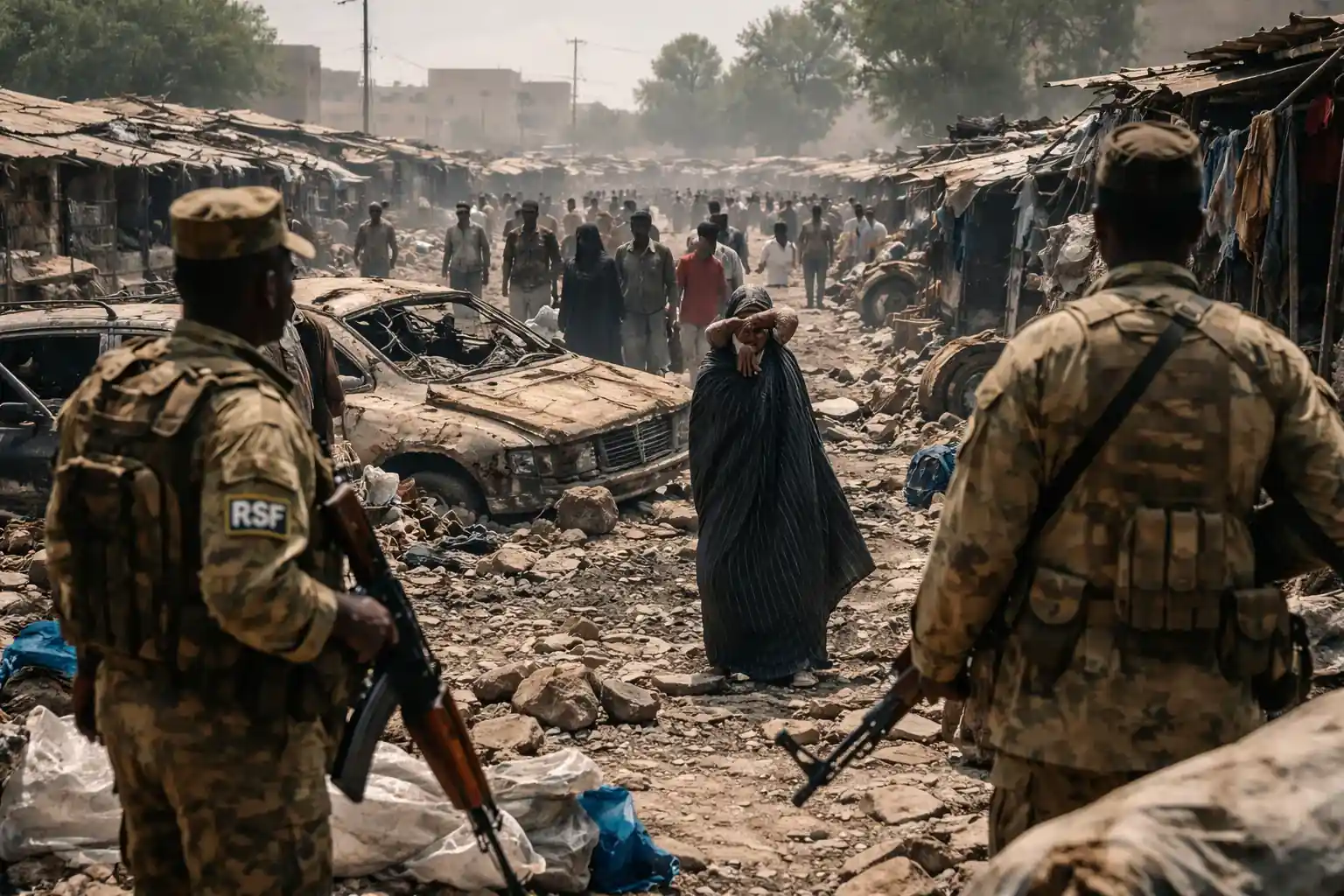
The International Criminal Court (ICC) has announced a significant procedural breakthrough in its investigation into alleged war crimes committed during the ongoing Sudanese civil war. Deputy Chief Prosecutor Nazhat Shameem Khan confirmed to the BBC that the court has secured "concrete evidence" directly linking leaders of the paramilitary Rapid Support Forces (RSF) to atrocities in the Darfur region. This development follows months of intense fighting and international outcry over the treatment of civilians in besieged cities. While the ICC has been monitoring the situation in Sudan for decades, this specific announcement targets the current leadership of the RSF, moving the probe from general allegations of violence toward specific legal culpability for those in "leadership mode" during the massacres in el-Fasher and el-Geneina.
What's new in this update
The timing of this disclosure coincides with a UN fact-finding mission report that corroborates the ICC’s findings. This report highlights that RSF fighters were responsible for the majority of systematic attacks on civilians, particularly focusing on those targeted for their ethnic background. Khan’s statements signify a transition from gathering testimony from victims to establishing "linkage evidence"—the legal bridge that connects soldiers' actions on the ground to the orders or oversight of their commanders. While the ICC did not name specific individuals in this update, the mention of "specific persons in leadership" suggests that the court is preparing a case that could eventually lead to warrants for high-ranking officials within the RSF hierarchy, a group that has historically operated with a high degree of impunity.
Key details
The evidence focuses heavily on the fall of el-Fasher and el-Geneina, two hubs of violence where civilian casualties were exceptionally high. In el-Fasher alone, the United Nations estimates that more than 6,000 people were killed when the RSF seized the city in October of last year. Beyond the killings, the UN mission documented a horrific pattern of sexual abuse, including gang rape and sexual slavery, perpetrated by RSF fighters and their affiliated militias. The ICC's investigation also highlights the ethnically motivated nature of these attacks, mirroring the "hallmarks of genocide" observed by international monitors. For its part, the RSF has officially denied carrying out widespread killings, though its leader, Gen Mohamed Hamdan Dagalo, previously claimed the group would investigate internal violations—a probe that remains ostensibly ongoing without public results.
Background and context
Sudan’s current conflict, which erupted in April 2023 between the regular army and the RSF paramilitaries, has reopened old wounds in the Darfur region. The ICC has held jurisdiction over Darfur for more than 20 years, stemming from the genocidal violence that began in the early 2000s under former President Omar al-Bashir. Deputy Prosecutor Khan noted that the patterns of offending seen today—ethnic targeting and mass displacement—are tragically similar to the atrocities investigated two decades ago. The current humanitarian crisis has forced tens of thousands to flee into neighboring Chad, where Khan visited refugee camps to gather firsthand accounts. These refugees describe a systematic campaign of violence that has displaced millions across the country, creating one of the world's most severe humanitarian and human rights emergencies.
What to watch next
Despite the breakthrough in evidence collection, the ICC has not yet provided a definitive timeline for when formal charges or arrest warrants might be issued. Khan emphasized that justice "may take time to develop," but she expressed confidence that the court would eventually reach its goal. In the immediate future, international attention is shifting toward el-Obeid, another Sudanese city where UK Human Rights Ambassador Eleanor Sanders warned that similar atrocities could soon occur. The UN Human Rights Council has already ordered an urgent investigation into the fighting in el-Obeid, signaling that the international community is attempting to document crimes in real-time to prevent the same delays in justice seen in the previous decade of Sudanese conflict.
Why it matters
This development signals a significant step toward international accountability for high-level leaders in a conflict that has seen thousands of civilian deaths and millions displaced.
Read next
Follow this story through the topic hub, more world coverage, and the latest updates.
Weekly briefing
Get the week's key developments in one concise email.
Get a fast catch-up on the biggest stories, the context behind them, and the links worth your time.
Cadence
Weekly, for a quick catch-up
Coverage
AI, business, world, security, sports
Format
Clear takeaways and useful context
Request the briefing
Leave your email to open a prepared request and get on the list for the weekly briefing.
About the byline
World correspondent
Leila Haddad covers world affairs, diplomacy, and humanitarian crises, with a focus on how fast-moving international developments affect public policy, conflict response, and cross-border institutions.
Sources and methodology