Amnesty International Accuses Sudan’s RSF of Crimes Against Humanity
A new investigation details systemic ethnic cleansing, sexual violence, and the deliberate targeting of children during the paramilitary siege of the

World correspondent
Reports on international affairs, diplomacy, and humanitarian developments with an emphasis on official statements, multilateral institutions, and regional context.
Editorial responsibility: Lead reviewer for geopolitics, international institutions, and crisis coverage
Primary source: BBC World News. Full source links and update notes are below.
Fast summary
Start here
- Amnesty International has documented systematic crimes against humanity including murder, torture, and sexual slavery by RSF paramilitaries in el-Fasher.
- The report highlights the deliberate targeting of children and ethnic cleansing against non-Arab communities like the Zaghawa group.
- Researchers reviewed 89 open-source videos and satellite imagery, finding evidence that may be relevant to the crime of genocide.
What happened
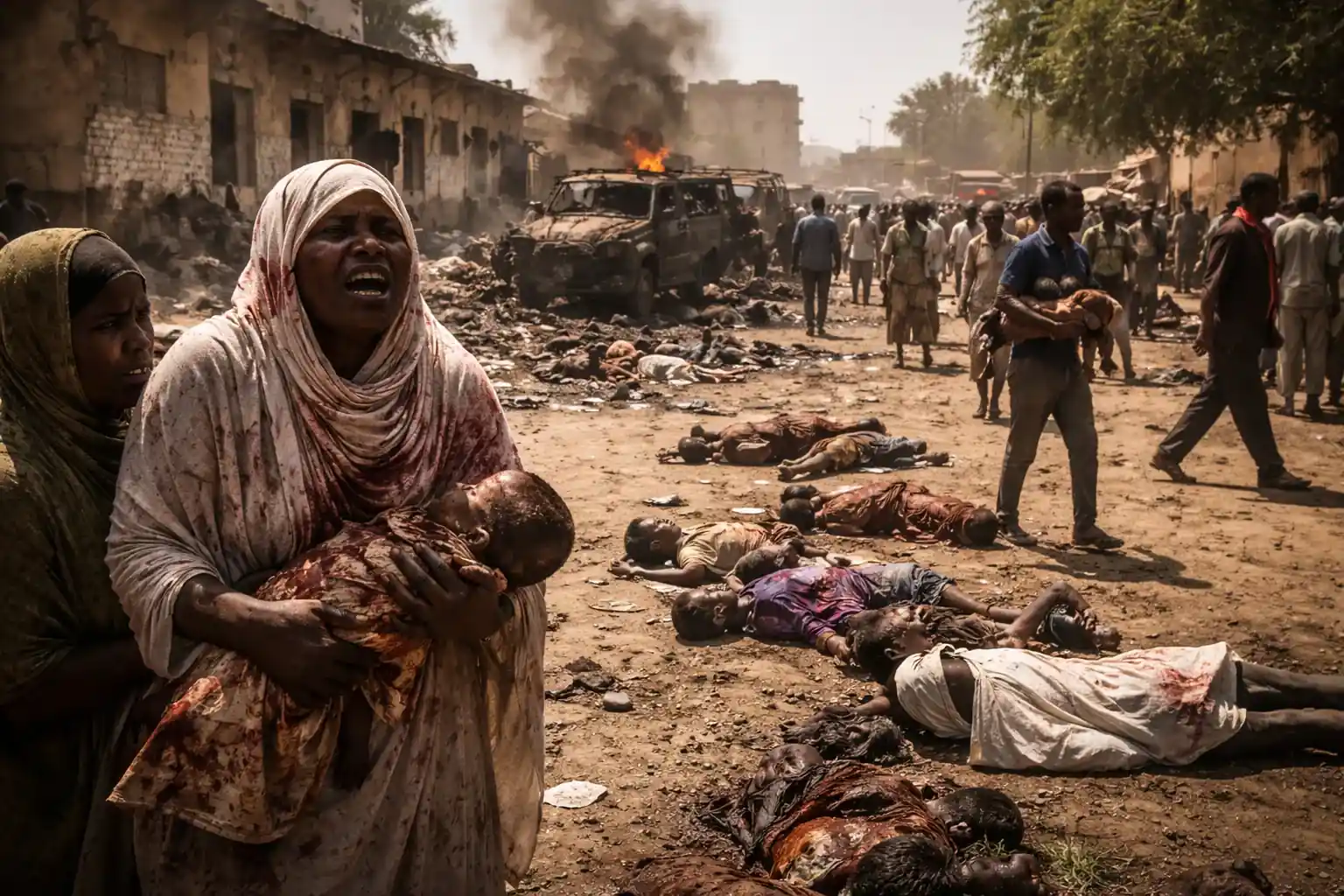
Amnesty International released a comprehensive report on Wednesday detailing widespread atrocities committed by the Rapid Support Forces (RSF) during their campaign to capture el-Fasher. The report lists a harrowing array of crimes including murder, forcible transfer, torture, rape, and sexual slavery. The investigation highlights a pattern of ethnic cleansing where non-Arab communities, particularly the Zaghawa ethnic group, were targeted by RSF fighters and associated Arab militias. Survivors described being beaten and shot based on their ethnic identity, with many reports indicating that victims were subjected to derogatory ethnic slurs. This siege was one of the most violent periods in the ongoing conflict between the RSF and the Sudanese Armed Forces (SAF), marking a significant escalation in the humanitarian crisis within the western Darfur region.
What's new in this update
The latest report from Amnesty International includes firsthand accounts from more than 200 survivors and an exhaustive analysis of 89 open-source videos and satellite imagery from North Darfur. The findings suggest that the violence was not merely collateral damage from urban warfare but a deliberate campaign targeting specific populations. Agnès Callamard, Amnesty’s secretary general, emphasized that children were frequently the intentional targets of violence, facing abduction, forced recruitment, and sexual assault on a massive scale. Crucially, the report introduces evidence that researchers believe may be relevant to the legal definition of genocide. While the RSF has previously denied such accusations, the level of documentation provided—including the identification of specific commanders allegedly responsible—sets a new baseline for potential international legal proceedings and future accountability.
Key details
The documentation of violence in el-Fasher paints a grim picture of the 18-month siege that has devastated the city. In one specific account, a 17-year-old boy from Abu Zerega described being tied up and beaten with sticks and the back of an AK-47 before being shot in the leg by a fighter mounted on a camel. He reported that eight of his cousins, including four boys aged between 11 and 17, were killed in the same incident. The RSF’s shift toward el-Fasher followed their withdrawal from the capital, Khartoum, in March of the previous year. By focusing on North Darfur, the RSF aimed to consolidate control over the western region and expand its reach into the Kordofan states. The UN reports that over 6,000 people were killed in the city last year alone, and sexual violence against all genders has become a pervasive weapon of war.
Background and context
Sudan has been embroiled in a brutal power struggle for three years, pitting the regular Sudanese Armed Forces under General Abdel Fattah al-Burhan against the RSF led by Mohamed Hamdan 'Hemedti' Dagalo. This civil war has resulted in the displacement of more than 14 million people and the deaths of hundreds of thousands. Darfur has a long, tragic history of ethnic conflict, particularly involving Arab militias and black African ethnic groups, mirroring the genocidal campaigns of the early 2000s. The current conflict has seen both the SAF and RSF face international condemnation for alleged war crimes. Despite mounting evidence from rights groups and international observers, both sides consistently deny responsibility for targeting civilians, though the scale of the humanitarian disaster has led to calls for an immediate ceasefire and international protection forces.
What to watch next
Amnesty International is now calling for the urgent deployment of an international force to protect civilians in Sudan, arguing that the global response has been insufficient given the scale of the horrors in Darfur. The identification of specific RSF commanders in the report suggests that future efforts may focus on individual accountability through the International Criminal Court or other legal avenues. Observers will also look to see if the SAF responds with increased military pressure or if the international community moves toward a more robust diplomatic intervention or targeted sanctions against the RSF leadership. For now, el-Fasher remains a central flashpoint of the conflict, and the risk of further ethnic violence continues to grow as the RSF seeks to maintain its hold on the western territories while pushing further south.
Why it matters
The report provides documented evidence of systematic atrocities that may constitute genocide, increasing pressure for international intervention and legal accountability in a conflict that has displaced 14 million people.
Read next
Follow this story through the topic hub, more world coverage, and the latest updates.
Weekly briefing
Get the week's key developments in one concise email.
Get a fast catch-up on the biggest stories, the context behind them, and the links worth your time.
Cadence
Weekly, for a quick catch-up
Coverage
AI, business, world, security, sports
Format
Clear takeaways and useful context
Request the briefing
Leave your email to open a prepared request and get on the list for the weekly briefing.
About the byline
World correspondent
Leila Haddad covers world affairs, diplomacy, and humanitarian crises, with a focus on how fast-moving international developments affect public policy, conflict response, and cross-border institutions.
Sources and methodology