Human Rights Watch Links Colombian Mercenaries in Sudan to UAE Transit
A new report alleges that Emirati military bases were used to train and deploy foreign contractors to assist the paramilitary Rapid Support Forces.
Primary source: BBC World News. Full source links and update notes are below.
Fast summary
Start here
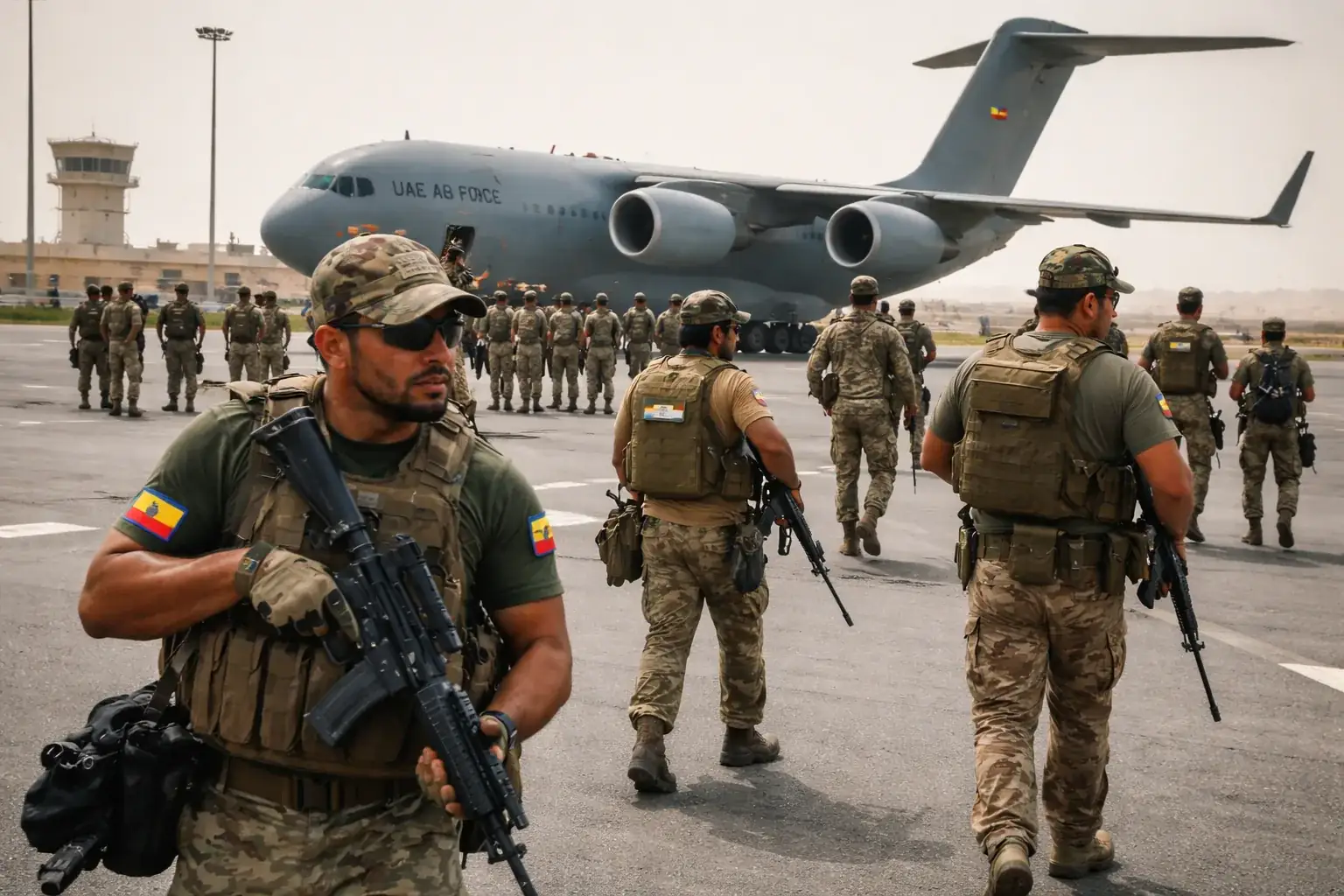
- Human Rights Watch reports that Colombian mercenaries transited through UAE military bases to join the paramilitary Rapid Support Forces in Sudan.
- Recruitment was allegedly handled by a network of Colombian and Emirati companies under the guise of drone pilot and technical work.
- The UAE ministry of foreign affairs denies any involvement in the recruitment, training, or transit of foreign fighters to the Sudan conflict.
What happened
Human Rights Watch (HRW) has published an investigation alleging that the United Arab Emirates (UAE) serves as a critical transit and training hub for foreign mercenaries fighting in Sudan. The report claims former Colombian soldiers were recruited to bolster the Rapid Support Forces (RSF) in their ongoing conflict against the Sudanese regular army, which has been active since April 2023.
What's new in this update
The HRW report, based on interviews with mercenaries conducted between March and September 2025, specifies that contractors were trained at Emirati facilities in Ghiyathi and Al Wathba. Witnesses reported seeing foreign fighters, believed to be Colombians, present during mass killings in the city of el-Fasher in late 2025, where the RSF has been accused of gross human rights violations.
Key details
The investigation describes a recruitment process where companies advertised drone pilot jobs in Africa to former Colombian military personnel. Mercenaries described traveling through Abu Dhabi without passport stamps before being transported to military bases and eventually deployed to the Darfur region. They allegedly provided the RSF with tactical expertise, serving as artillerymen, vehicle operators, and instructors.
Background and context
Sudan's civil war has resulted in over 150,000 deaths and displaced more than 12.9 million people. The RSF has faced international outrage for atrocities including extrajudicial killings, sexual slavery, and the destruction of civilian infrastructure. Colombian President Gustavo Petro has previously referred to these recruited mercenaries as 'spectres of death' and characterized the practice as a form of human trafficking.
What to watch next
The UAE continues to officially deny providing military support or territory for fighter transit, stating it does not permit its territory to be used for the financing or recruitment of foreign fighters. However, the HRW findings align with prior research from security analysis groups, suggesting increased international scrutiny of logistics networks supporting the RSF in Darfur may follow.
Why it matters
The involvement of foreign mercenaries and external state support complicates international efforts to end the Sudanese civil war and addresses allegations of war crimes.
Read next
Follow this story through the topic hub, more world coverage, and the latest updates.
Weekly briefing
Get the week's key developments in one concise email.
Get a fast catch-up on the biggest stories, the context behind them, and the links worth your time.
Cadence
Weekly, for a quick catch-up
Coverage
AI, business, world, security, sports
Format
Clear takeaways and useful context
Request the briefing
Leave your email to open a prepared request and get on the list for the weekly briefing.
Author
See who assembled this story and follow more of their work.
Sources and methodology