Nobel Laureate Narges Mohammadi Hospitalized Amid Fears for Her Life
Family and the Nobel Committee are calling for the urgent transfer of the human rights activist to specialized care after a reported heart attack in

World correspondent
Reports on international affairs, diplomacy, and humanitarian developments with an emphasis on official statements, multilateral institutions, and regional context.
Editorial responsibility: Lead reviewer for geopolitics, international institutions, and crisis coverage
Primary source: BBC World News. Full source links and update notes are below.
Fast summary
Start here
- Narges Mohammadi was moved to a local hospital in Zanjan following a catastrophic deterioration in her health.
- Her family reports she suffered a suspected heart attack and low blood pressure after being denied medical care for 140 days.
- The Nobel Peace Prize Committee and her relatives are demanding a transfer to a specialist facility in Tehran.
What happened
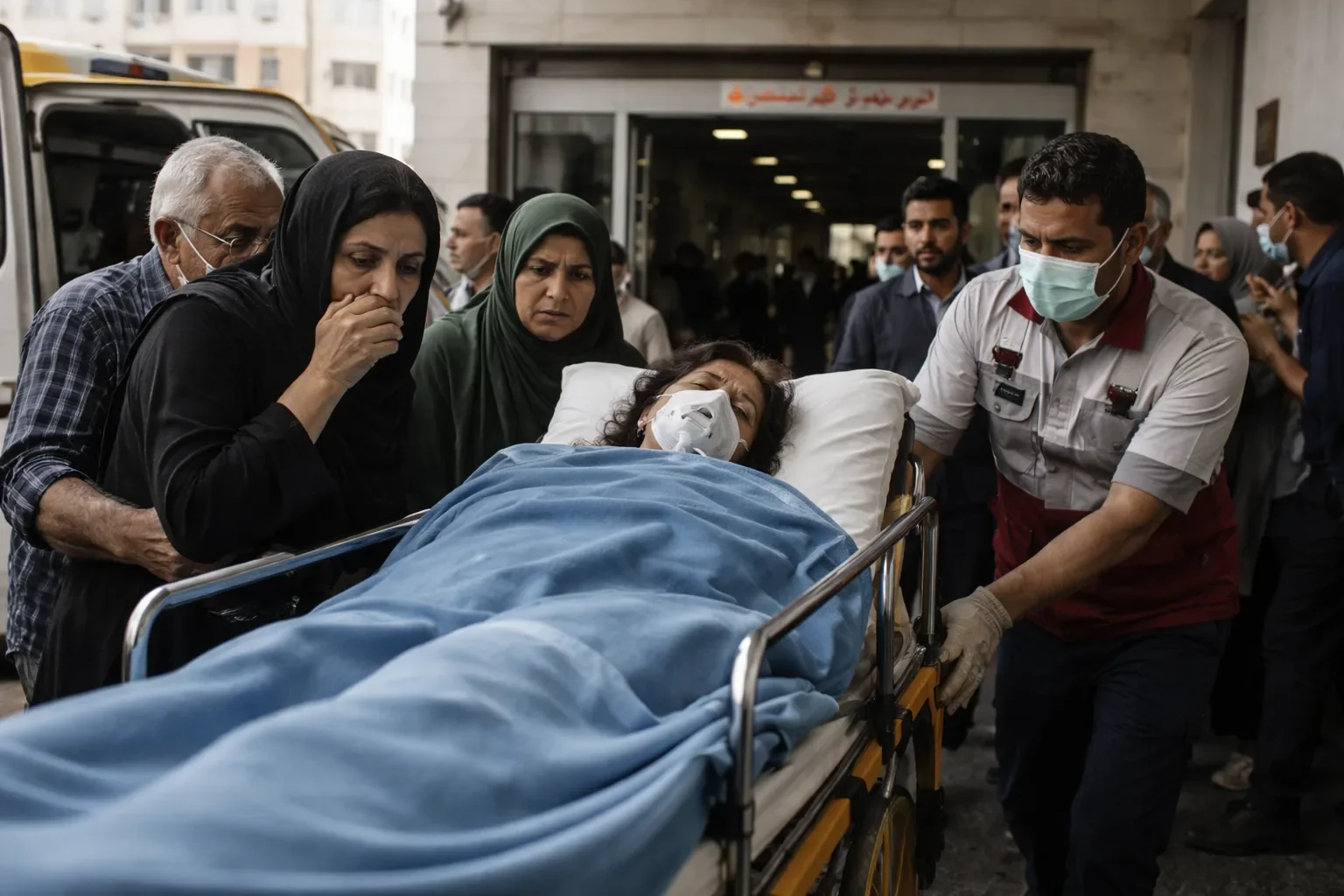
Health concerns are mounting for jailed Iranian Nobel Peace Prize laureate Narges Mohammadi after she was transferred from Zanjan Prison to a local hospital following what her family describes as a catastrophic decline in her condition. Relatives say she may have suffered a heart attack after months of denied medical treatment, and they warn that her life is now at serious risk unless she is moved to a specialist facility in Tehran. The Nobel Committee has echoed those concerns, turning what might have remained a prison medical issue into a wider international human rights alarm.
This matters because Mohammadi is not an obscure political detainee. She is one of the most internationally recognized Iranian dissidents alive, a symbol of women's rights and state repression in Iran. When her health deteriorates in custody, the event is interpreted not only as a medical emergency but as a test of how the Iranian state treats its most visible critics.
Why Narges Mohammadi's case carries such weight
Mohammadi's imprisonment has long stood as a global reference point in discussions of political prisoners in Iran. She received the Nobel Peace Prize while behind bars, making her both a national dissident and an international figure. Her case is therefore unusually visible. Allegations that she was denied medical care for months intensify scrutiny because they suggest not just neglect, but punitive treatment directed at a prisoner whose activism the state clearly wants to suppress.
In cases like this, the medical question cannot be separated from the political one. The condition of the prisoner becomes part of the state's message.
The pattern of prison medical denial
Human rights groups have repeatedly accused Iranian authorities of using medical neglect as a form of pressure against political prisoners. Delaying treatment, restricting specialist access, or forcing prisoners to remain in inadequate facilities can function as coercion without the public spectacle of a formal sentence escalation. Mohammadi's family says she was denied proper care for 140 days despite pre-existing cardiac and pulmonary conditions. If accurate, that pattern fits a broader concern documented in other political detention cases.
That is why calls for transfer to Tehran matter so much. The issue is not simply whether she is in a hospital. It is whether she is in the kind of hospital equipped to keep her alive.
Why the location of treatment matters
Zanjan may be sufficient for routine cases, but her family insists it is not equipped for complex specialist care. Mohammadi's medical history reportedly includes prior heart procedures and serious lung issues, which means delays or inadequate interventions could have lasting or fatal consequences. Transfer to Tehran is not being framed as a convenience. It is being framed as medically necessary.
The demand also highlights a recurring problem in political detention systems: hospitalization can be offered just late enough to deflect immediate blame while still falling short of meaningful care.
International attention and Iranian pressure
The involvement of the Nobel Committee raises the diplomatic cost for Iran. Mohammadi's case is already watched by foreign governments, rights organizations, and international media. If her condition worsens further, Iranian authorities could face another wave of condemnation over the treatment of dissidents, especially women activists. That may not change the regime's behavior automatically, but it does raise the reputational price of inaction.
At the same time, global attention is fragmented by wars and other crises. Her family's warning that attention may be diverted is therefore important. Visibility can be a form of protection for political prisoners, and invisibility can be dangerous.
What comes next
The next urgent question is whether Iranian authorities permit Mohammadi's transfer to specialized care in Tehran or continue to manage her case within narrower limits. Rights advocates will likely push for medical furlough, independent evaluation, or broader review of her prison conditions. Much will depend on whether Iran sees her case as a domestic security matter or a growing international liability.
For now, the health crisis surrounding Narges Mohammadi is a stark reminder that political imprisonment in Iran often extends beyond the sentence itself. It can include control over medical survival. Her hospitalization has made that reality visible again, and the coming days may determine whether international pressure arrives in time to matter.
Why it matters
As a global symbol of Iranian women's rights, Mohammadi's health crisis highlights the treatment of political dissidents and could spark further international condemnation of the Iranian regime.
Read next
Follow this story through the topic hub, more world coverage, and the latest updates.
Weekly briefing
Get the week's key developments in one concise email.
Get a fast catch-up on the biggest stories, the context behind them, and the links worth your time.
Cadence
Weekly, for a quick catch-up
Coverage
AI, business, world, security, sports
Format
Clear takeaways and useful context
Request the briefing
Leave your email to open a prepared request and get on the list for the weekly briefing.
About the byline
World correspondent
Leila Haddad covers world affairs, diplomacy, and humanitarian crises, with a focus on how fast-moving international developments affect public policy, conflict response, and cross-border institutions.
Sources and methodology