15-Year-Old Killed in Nantes Shooting Linked to Drug Trafficking
French authorities are investigating a fatal shooting involving automatic weapons that left one teenager dead and two others wounded in a residential area.

World correspondent
Reports on international affairs, diplomacy, and humanitarian developments with an emphasis on official statements, multilateral institutions, and regional context.
Editorial responsibility: Lead reviewer for geopolitics, international institutions, and crisis coverage
Primary source: BBC World News. Full source links and update notes are below.
Fast summary
Start here
- A 15-year-old boy died and a 13-year-old was seriously injured in a shooting involving automatic weapons and masked attackers in Nantes.
- Prosecutors believe the attack was a settling of scores related to drug trafficking, though officials noted the victims may have been innocent bystanders.
- The incident marks the second fatal shooting linked to the illegal drug trade in the same Port-Boyer neighborhood within a single month.
What happened
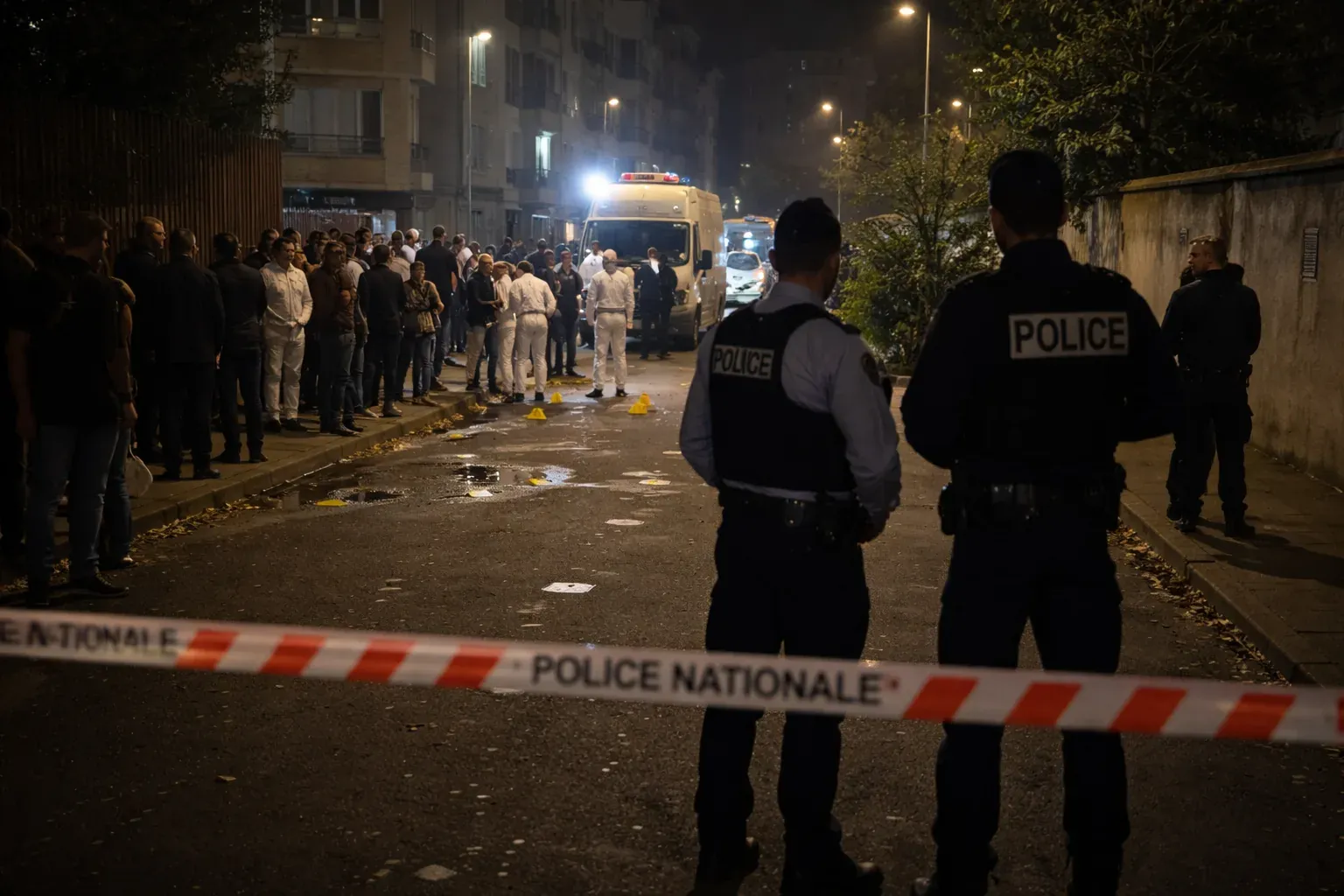
A 15-year-old boy was killed in a shooting in Nantes and two other youths were wounded in an attack that French authorities believe is linked to drug trafficking conflict in the city. The shooting took place in the Port-Boyer neighborhood, where masked assailants armed with automatic weapons reportedly opened fire in a residential area, leaving local residents once again confronting violence that is increasingly tied to the illegal drug trade.
The death of a teenager gives the Nantes shooting a particular weight. It reinforces concern that drug trafficking violence in France is no longer confined to criminal networks themselves, but is increasingly spilling into everyday neighborhood life and drawing minors into the most dangerous edges of the conflict.
What's new in this update
French officials, including Interior Minister Laurent Nunez and local prosecutors, have said the attack appears to be part of a settling of scores connected to drug trafficking. At the same time, they have cautioned that the victims may not themselves have been active participants in that trade. Family members of the dead 15-year-old have strongly denied that he had any criminal involvement.
That uncertainty matters because it sharpens the public fear around Nantes. If teenagers who are merely present in contested spaces can be shot by heavily armed attackers, then the line between targeted criminal violence and broader community endangerment becomes dangerously thin.
Key details
Witnesses described hearing bursts of gunfire and seeing attackers flee after the shooting. A 13-year-old was among the seriously wounded, though early reporting indicated the surviving victims were no longer in immediate danger after medical treatment. The use of automatic weapons and disguised attackers suggests a degree of organization that goes well beyond spontaneous street violence.
The Port-Boyer neighborhood has now seen a second fatal shooting tied to drug trafficking within a short period, turning what might once have been dismissed as an isolated episode into evidence of a worsening local pattern. For residents, repetition matters as much as the individual crime itself. A second killing changes the perceived normality of the area.
Background and context
French officials have increasingly warned that drug trafficking is reshaping the security landscape in urban areas, with younger people becoming more exposed to recruitment, intimidation, and retaliatory violence. The Nantes shooting fits into that broader national concern, where local trafficking conflicts can rapidly escalate into public gun violence in apartment districts and family neighborhoods.
The involvement of minors, whether as participants, targets, or bystanders, is especially alarming. It suggests that the social reach of the drug trade is deep enough that adolescence itself no longer provides distance from the conflict. That is one reason the political and emotional response to the Nantes case has been so strong.
What to watch next
The key question is whether police can quickly identify and arrest the attackers, and whether authorities will combine that response with a longer-term security surge in Port-Boyer. Nantes mayor Johanna Rolland has already called for heavy police deployment, but enforcement alone may not settle deeper concerns about trafficking networks embedded in residential life.
Observers will also watch whether France expands the use of stronger local measures, including youth restrictions or other emergency responses, if drug trafficking violence in neighborhoods like Port-Boyer keeps accelerating.
Why this matters
This matters because the Nantes shooting is not just a local homicide case. It is part of a broader pattern in which drug trafficking violence is becoming more visible, more militarized, and more devastating for ordinary residential communities in France. The death of a 15-year-old in a neighborhood shooting linked to drug conflict crystallizes the stakes: public safety, youth vulnerability, and the erosion of daily normality in places caught between criminal networks and state response.
Reader context
This story belongs to Northstar Herald's world coverage, with related entities including France, Nantes, Drug Trafficking, Public Safety. The report is based on BBC World News source material.
Related coverage
Why it matters
The shooting underscores the rising impact of drug-related violence in French residential areas and the increasing involvement of minors in high-stakes criminal conflicts.
Read next
Follow this story through the topic hub, more world coverage, and the latest updates.
Weekly briefing
Get the week's key developments in one concise email.
Get a fast catch-up on the biggest stories, the context behind them, and the links worth your time.
Cadence
Weekly, for a quick catch-up
Coverage
AI, business, world, security, sports
Format
Clear takeaways and useful context
Request the briefing
Leave your email to open a prepared request and get on the list for the weekly briefing.
About the byline
World correspondent
Leila Haddad covers world affairs, diplomacy, and humanitarian crises, with a focus on how fast-moving international developments affect public policy, conflict response, and cross-border institutions.
Sources and methodology