The Agonizing Wait: Why Medical Evacuations From Gaza Are Failing
As thousands of critically ill Palestinians await permission to leave the Gaza Strip for life-saving treatment, bureaucratic hurdles and security

World correspondent
Reports on international affairs, diplomacy, and humanitarian developments with an emphasis on official statements, multilateral institutions, and regional context.
Editorial responsibility: Lead reviewer for geopolitics, international institutions, and crisis coverage
Primary source: BBC World News. Full source links and update notes are below.
Fast summary
Start here
- Approximately 300 Palestinians have died after being approved for medical evacuation but before they could cross the border for treatment.
- The World Health Organization reports that 15,000 patients remain on waiting lists, while fewer than 2,000 have successfully left Gaza in the last eight months.
- Evacuation delays are primarily attributed to lengthy multi-nation security screenings and limited operational days at border crossings like Rafah and Kerem Shalom.
What happened
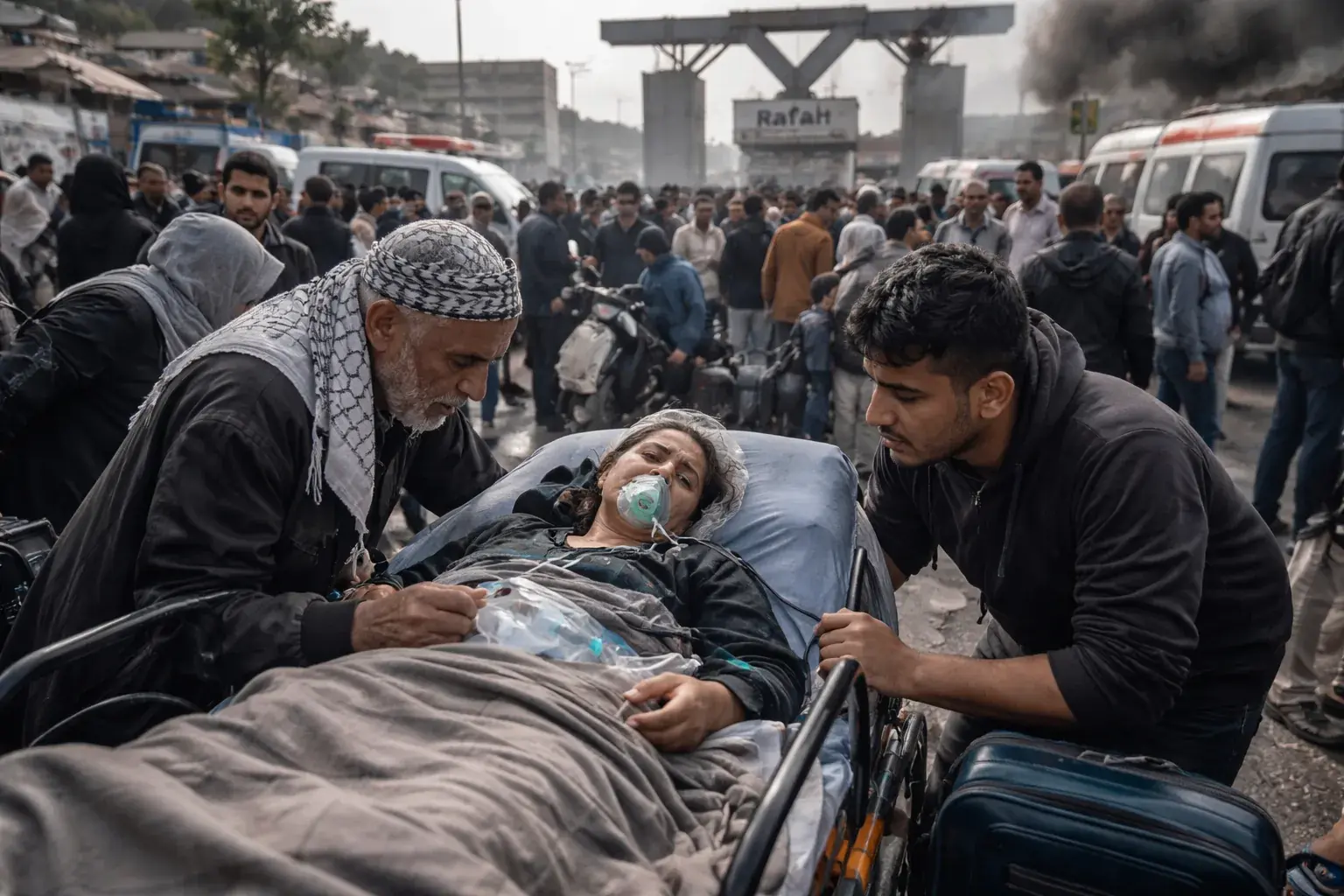
Amina Abu al-Kas, a resident of Gaza suffering from an aggressive necrotising infection, died in late May while waiting for a medical evacuation that arrived too late. Her son, Saber, described the harrowing experience of watching the infection spread to her skull while local doctors admitted they lacked the specialized medicines or therapies to treat her. Although Gaza's medical board approved her for treatment abroad, the family was forced into a state of limbo, waiting for security clearances and host country acceptance. In a tragic illustration of the current systemic failures, the hospital called to inform the family that her travel paperwork was ready two weeks after her death. Her story has become a symbol of the thousands trapped within the enclave's failing medical infrastructure.
What's new in this update
New data from the Gaza health ministry and the World Health Organization (WHO) reveals that Amina is one of at least 300 Palestinians who have died while awaiting evacuation since the current conflict intensified last October. This mortality rate highlights a growing bottleneck in the humanitarian corridor. While 15,000 patients are currently documented as needing urgent care outside the Strip—including those with war injuries and chronic conditions like cancer—the pace of departures remains critically low. Since the start of the conflict over eight months ago, only 1,977 patients have successfully departed Gaza for treatment. At the current rate, international health officials warn that it could take several years to clear the existing backlog of those in need of life-saving interventions.
Key details
The evacuation process is a complex, multi-layered bureaucratic challenge. Once a patient is approved by Gaza’s medical referral board, they must undergo security screening by Israel, the host nation, and any transit countries like Egypt or Jordan. Furthermore, host nations are often highly selective; some international partners will only accept pediatric patients, while others prioritize those requiring short-term surgical interventions. Acting undersecretary for the Gaza health ministry, Maher Shamia, identified the limited operational frequency of border crossings as a primary cause for the delay. Currently, medical evacuations via the Rafah crossing are only permitted three days a week, and those moving through the Kerem Shalom crossing are limited to a single day per week, creating a physical logjam for the critically ill.
Background and context
The medical infrastructure in Gaza has been systematically degraded by months of conflict, leaving hospitals unable to provide basic pain management, let alone specialized oncology or neurological care. The WHO assists with the logistics of patient transfers, but they operate within a framework controlled by Israeli and Egyptian authorities. For patients like Amina, the wait is often characterized by extreme physical pain and psychological distress as they hope for what survivors call a 'miracle'—a notification to pack their bags for travel. The Israeli defense ministry body Cogat maintains that departures are contingent upon official requests from receiving countries and the completion of security checks, emphasizing that the process involves multiple international stakeholders beyond their direct control.
What to watch next
International pressure is mounting on all parties to streamline the medical evacuation process to prevent further deaths among the 15,000 individuals still on the waiting list. Observers are looking for a possible expansion of the criteria for host nations and an increase in the number of days per week that crossings are open for medical transit. The list of potential evacuees remains fluid, and as conditions worsen within Gaza's remaining medical facilities, the urgency for a more robust humanitarian corridor grows. Future reports from the WHO will likely focus on whether the security screening timeline can be compressed and if more transit countries will step forward to assist with the massive backlog of trauma and chronic disease cases currently trapped in the Strip.
Why it matters
The backlog represents a significant humanitarian crisis, where the intersection of military security protocols and a collapsed local healthcare system is resulting in preventable deaths for thousands of non-combatant patients.
Read next
Follow this story through the topic hub, more world coverage, and the latest updates.
Weekly briefing
Get the week's key developments in one concise email.
Get a fast catch-up on the biggest stories, the context behind them, and the links worth your time.
Cadence
Weekly, for a quick catch-up
Coverage
AI, business, world, security, sports
Format
Clear takeaways and useful context
Request the briefing
Leave your email to open a prepared request and get on the list for the weekly briefing.
About the byline
World correspondent
Leila Haddad covers world affairs, diplomacy, and humanitarian crises, with a focus on how fast-moving international developments affect public policy, conflict response, and cross-border institutions.
Sources and methodology