Activists Deported From Israel Allege Systematic Abuse and Sexual
Following the interception of a Gaza-bound aid flotilla, returning activists and foreign governments report injuries and 'appalling' treatment in

World correspondent
Reports on international affairs, diplomacy, and humanitarian developments with an emphasis on official statements, multilateral institutions, and regional context.
Editorial responsibility: Lead reviewer for geopolitics, international institutions, and crisis coverage
Primary source: BBC World News. Full source links and update notes are below.
Fast summary
Start here
- Over 400 activists were deported after Israeli forces intercepted the Global Sumud Flotilla in international waters.
- Officials from Canada, Germany, and Spain have expressed grave concern over documented injuries and 'appalling' abuse of their citizens.
- Israel's prison service has dismissed all allegations of mistreatment as false and legally baseless.
What happened
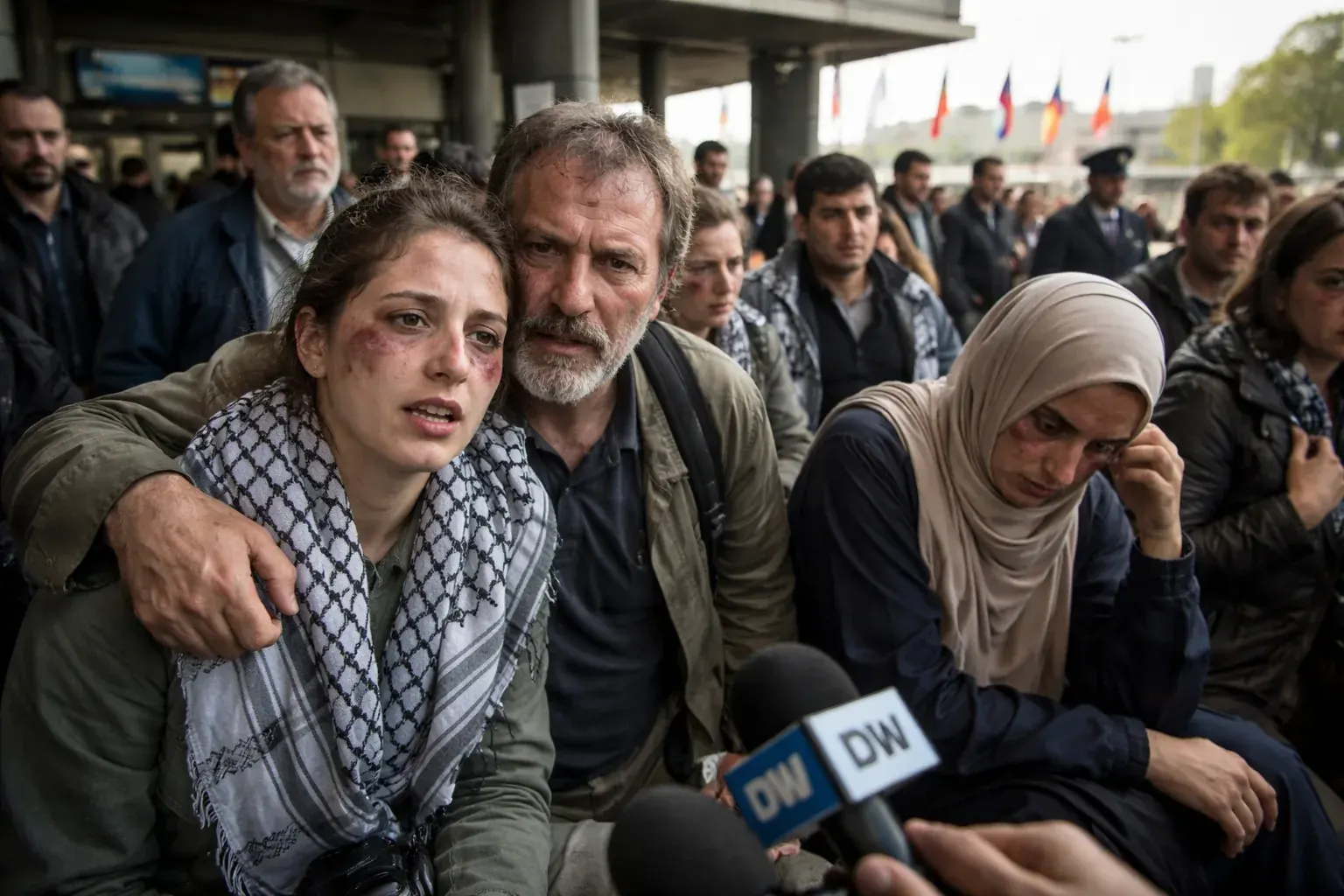
Activists deported after Israel intercepted the Gaza-bound Global Sumud Flotilla are alleging abuse in detention, including beatings and sexual violence, turning what was already a disputed maritime interception into a broader international human rights controversy. The allegations are especially serious because they come from a large, multinational group of detainees and are now being echoed, at least in part, by governments that say some of their citizens returned with injuries or disturbing accounts of mistreatment. Israel's prison service denies the allegations and says detainees were treated lawfully.
This matters because the argument is no longer only about whether Israel was justified in stopping the flotilla. It is now also about what happened after the activists were taken into custody and whether detention conditions crossed into abuse of foreign civilians held under state control.
Why the allegations have diplomatic weight
Abuse allegations from activists can sometimes be dismissed by governments as politically motivated. That becomes harder when multiple countries begin publicly voicing concern about the condition of returning nationals. Statements from Canada, Germany, Spain, and others matter because they shift the issue from testimonial dispute into formal diplomatic concern. Even without a concluded investigation, state-level acknowledgment changes the seriousness of the claims.
This is one reason the story is likely to persist. Once allied or partner governments are involved, detention allegations become a bilateral issue rather than a purely activist narrative.
The flotilla context still matters
The Global Sumud Flotilla was intended to challenge Israel's blockade of Gaza and dramatize the humanitarian crisis there. Israel has long argued that such flotillas are political provocations and potential security risks rather than neutral aid missions. Activists argue the flotilla was a nonviolent humanitarian effort and that its interception in international waters was unlawful. That broader dispute shapes how each side frames everything that followed.
But the detention allegations create a separate issue. Even if Israel defends the interception itself, treatment of detainees is judged under a different moral and legal standard.
Why sexual violence allegations are especially serious
Allegations of sexual violence in detention are among the gravest claims that can be made against security authorities because they suggest abuse of power at the most intimate and coercive level. They also carry particular evidentiary and diplomatic sensitivity. Governments confronted with such claims may not immediately confirm them, but they are unlikely to ignore them once multiple detainees describe comparable patterns.
That is why the activists' allegations could trigger demands for independent investigation rather than simple diplomatic protest.
Israel's denial and the burden of proof
Israel's prison service has categorically denied the allegations, calling them false and baseless. That denial is politically predictable, but it means the next stage will likely center on documentation, medical records, consular interviews, and legal advocacy. Rights groups and lawyers will push to preserve testimony, establish timelines, and determine whether there were witnesses, injuries, or institutional patterns consistent with the reported abuse.
In other words, the story is moving from accusation to evidentiary contest.
What comes next
The most important next step will be whether foreign governments demand an independent investigation or settle for bilateral explanations from Israeli authorities. If more activists return with similar accounts, diplomatic pressure will likely intensify. The legal status of the flotilla interception may also continue to be challenged, but the detention issue could become the more politically damaging one because it involves treatment of restrained civilians rather than maritime enforcement alone.
For now, the abuse and sexual violence allegations made by deported Gaza flotilla activists have widened the controversy around Israel's handling of the mission. What began as a confrontation over access to Gaza is now also a dispute over detention, state conduct, and the treatment of foreign nationals. That shift matters because it brings human rights scrutiny directly onto the post-interception process, where governments have less room to justify harsh treatment as battlefield necessity.
Why it matters
The reported treatment of international activists could lead to increased diplomatic pressure on Israel and raises significant human rights concerns regarding detention practices.
Read next
Follow this story through the topic hub, more world coverage, and the latest updates.
Weekly briefing
Get the week's key developments in one concise email.
Get a fast catch-up on the biggest stories, the context behind them, and the links worth your time.
Cadence
Weekly, for a quick catch-up
Coverage
AI, business, world, security, sports
Format
Clear takeaways and useful context
Request the briefing
Leave your email to open a prepared request and get on the list for the weekly briefing.
About the byline
World correspondent
Leila Haddad covers world affairs, diplomacy, and humanitarian crises, with a focus on how fast-moving international developments affect public policy, conflict response, and cross-border institutions.
Sources and methodology