Gaza Mourns Aid Worker Killed in Israeli Strike
Humanitarian Mohammed al-Wahidi died in an Israeli strike in Gaza City, leaving a legacy of relief efforts and community sports events.

World correspondent
Reports on international affairs, diplomacy, and humanitarian developments with an emphasis on official statements, multilateral institutions, and regional context.
Editorial responsibility: Lead reviewer for geopolitics, international institutions, and crisis coverage
Primary source: BBC World News. Full source links and update notes are below.
Fast summary
Start here
- Mohammed al-Wahidi was a senior official with the Egypt-backed Egyptian Relief Committee.
- He was killed alongside three others, including two children, in a strike on a taxi in Gaza City.
- Al-Wahidi recently gained wider recognition for organizing public World Cup match screenings for families.
What happened
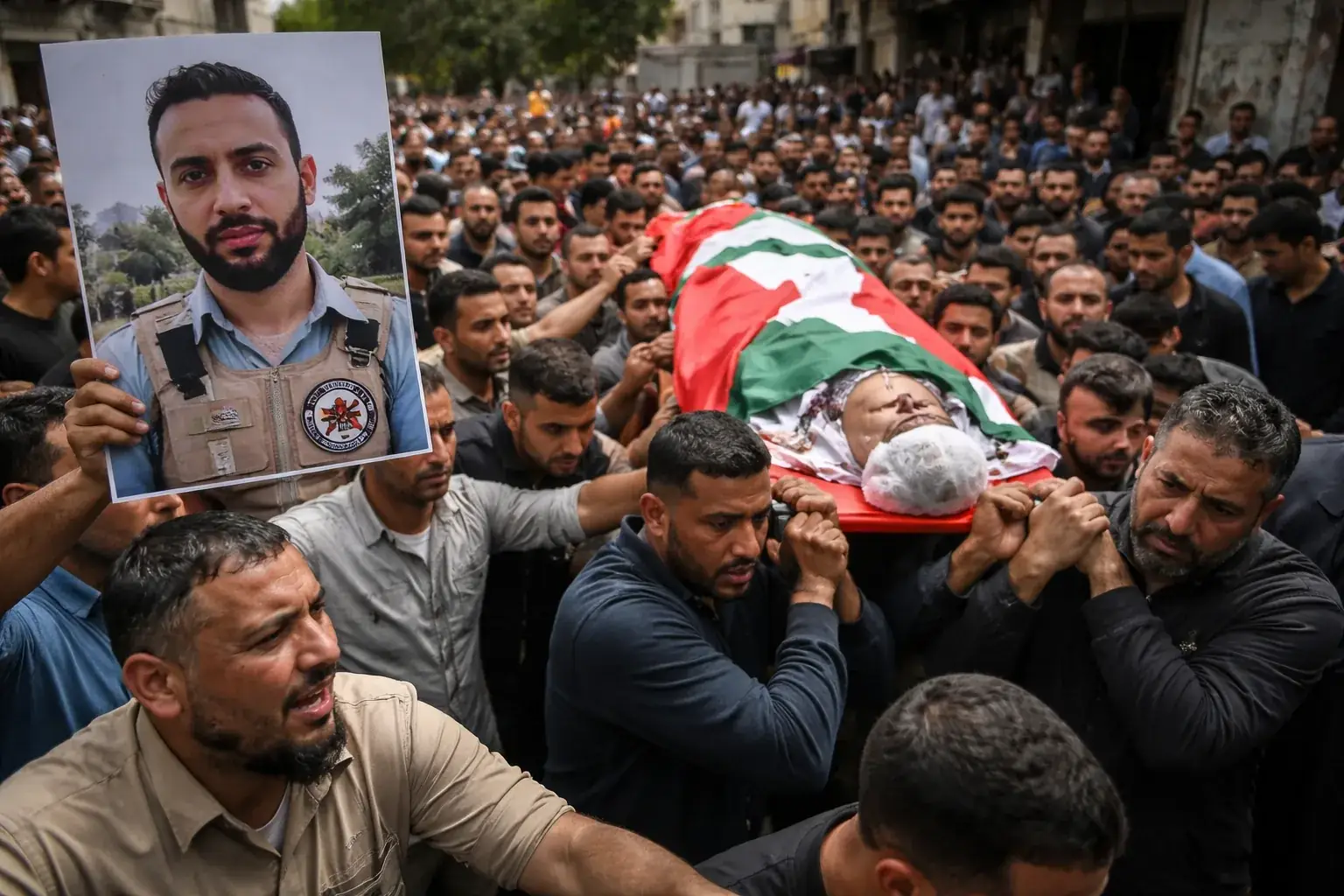
Mohammed al-Wahidi, a prominent Palestinian aid worker and community figure, was killed in an Israeli air strike in Gaza City on Tuesday. The strike targeted a taxi al-Wahidi was traveling in as it moved through the Sabra neighborhood. According to reports from the ground, the 65-year-old former English teacher was killed along with three other individuals. Among the victims were two brothers, aged eight and 10, who were passing by the vehicle at the time of the explosion, and another man. Al-Wahidi had transitioned from his teaching career to become a senior official with the Egyptian Relief Committee, an organization heavily supported by Cairo that has been central to humanitarian efforts during the ongoing conflict between Israel and Hamas. His death has sparked a massive outpouring of grief from those he assisted in displacement camps.
What's new in this update
While al-Wahidi was a seasoned humanitarian official, he had recently become a symbol of hope through a unique initiative: organizing public screenings of World Cup football matches. In recent weeks, he helped set up large screens in Gaza City, Deir al-Balah, and the al-Mawasi area in southern Gaza. These events were designed to provide Palestinian families, particularly children, with a brief respite from the psychological toll of the war. The screenings of Egypt's matches were especially popular, drawing huge crowds and producing rare scenes of celebration that circulated widely on social media. Tragically, al-Wahidi was killed just hours before a scheduled screening of Egypt's round-of-16 match against Argentina. Social media platforms have since been flooded with tributes from volunteers and displaced families who credited him with bringing a moment of joy to their lives.
Key details
The Israeli military issued a statement regarding the incident, claiming that the strike had targeted a Hamas operative. The military also noted that it was aware of reports indicating that uninvolved individuals were killed in the process. For over two and a half years, al-Wahidi was a staple of the humanitarian landscape in Gaza, overseeing the coordination of emergency food assistance and the establishment of camps for displaced families. Volunteers who worked with him noted that he preferred being on the front lines of aid distribution rather than directing operations from an office. This hands-on approach made him one of the most recognizable faces in shelters across the territory. Activists and colleagues described him as a man of integrity and kindness who remained dedicated to responding to the immediate needs of families affected by repeated waves of displacement.
Background and context
The death of al-Wahidi underscores the extreme danger faced by those providing relief in the Gaza Strip. As of late April, United Nations records indicate that at least 593 humanitarian workers have been killed since the war began in October 2023. This total includes eight individuals who were killed after Israel and Hamas agreed to a ceasefire ten months ago. The conflict began following the Hamas-led attacks on southern Israel on October 7, 2023, which resulted in the deaths of approximately 1,200 people and the taking of 251 hostages. In response, the Israeli military campaign has led to a catastrophic humanitarian crisis. Local health authorities report that at least 73,118 people have been killed in Israeli attacks since the start of the war, leaving the population almost entirely dependent on figures like al-Wahidi for survival.
What to watch next
The loss of a high-ranking official within the Egyptian Relief Committee may have diplomatic and logistical repercussions. Egypt has maintained a delicate but vital role in the movement of aid into Gaza, and the death of one of its senior local coordinators could prompt calls for enhanced protections for humanitarian staff. Furthermore, the future of community morale projects like the World Cup screenings is now uncertain. These events were a rare bridge between Gaza's isolated population and the outside world, and their loss could further deepen the sense of despair among displaced youths. Human rights organizations will likely continue to monitor the Israeli military's internal reviews of strikes that result in civilian casualties, especially those involving prominent non-combatant figures. As grief continues to ripple through Gaza, the ability of the Relief Committee to maintain its operational capacity without al-Wahidi's leadership will be tested.
Why it matters
The killing of a prominent humanitarian leader highlights the extreme risks faced by aid workers in Gaza and the loss of critical community morale initiatives.
Read next
Follow this story through the topic hub, more world coverage, and the latest updates.
Weekly briefing
Get the week's key developments in one concise email.
Get a fast catch-up on the biggest stories, the context behind them, and the links worth your time.
Cadence
Weekly, for a quick catch-up
Coverage
AI, business, world, security, sports
Format
Clear takeaways and useful context
Request the briefing
Leave your email to open a prepared request and get on the list for the weekly briefing.
About the byline
World correspondent
Leila Haddad covers world affairs, diplomacy, and humanitarian crises, with a focus on how fast-moving international developments affect public policy, conflict response, and cross-border institutions.
Sources and methodology