Fourteen Dead After Saudi Aramco Helicopter Crashes Near Major Oil
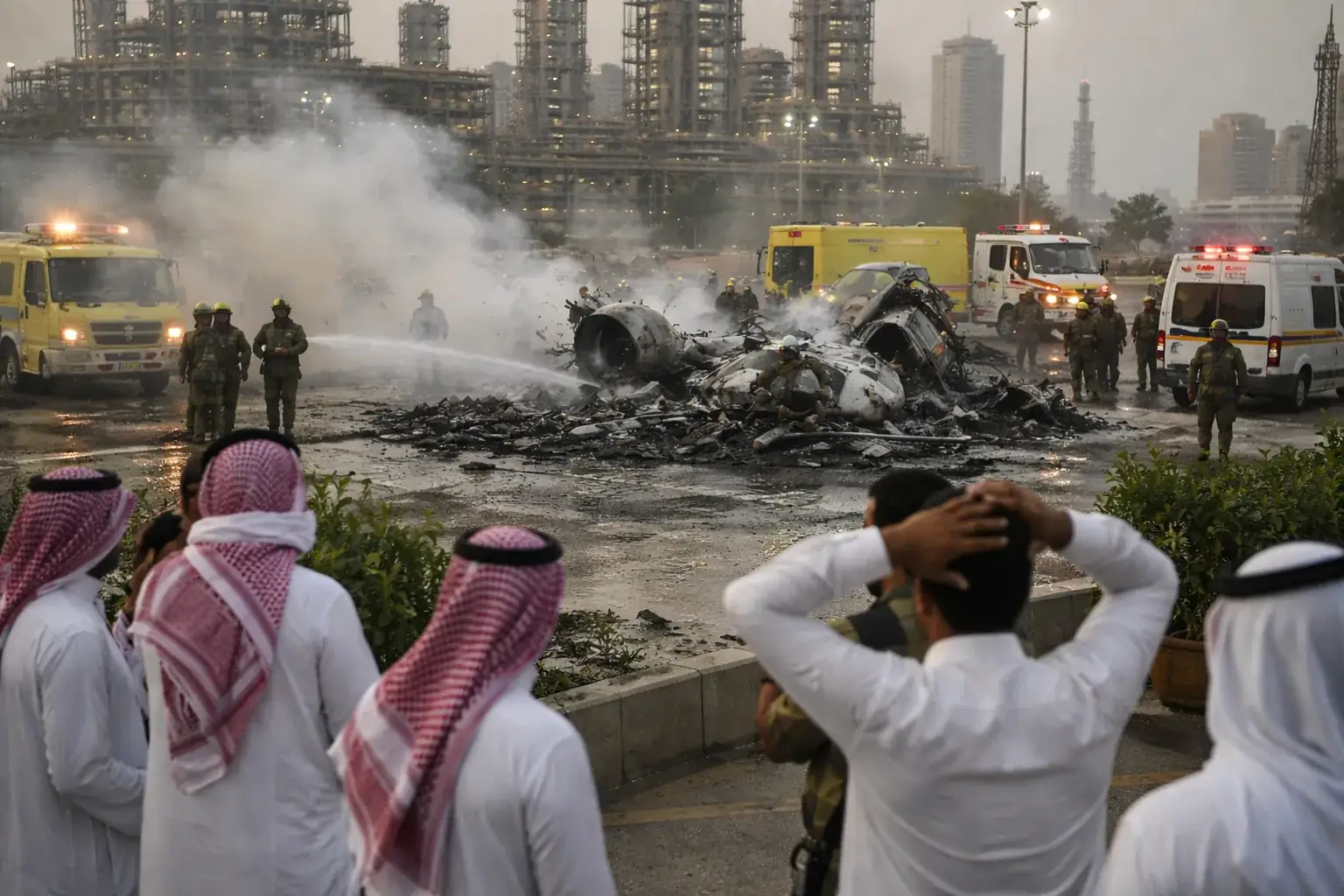
A helicopter belonging to the state oil giant Aramco crashed early Sunday morning in the coastal city of Ras Tanura, resulting in the deaths of all 14

World correspondent
Reports on international affairs, diplomacy, and humanitarian developments with an emphasis on official statements, multilateral institutions, and regional context.
Editorial responsibility: Lead reviewer for geopolitics, international institutions, and crisis coverage
Primary source: BBC World News. Full source links and update notes are below.
Fast summary
Start here
- All fourteen individuals on board the Aramco-owned helicopter were confirmed as Saudi citizens and were killed in the crash.
- The incident occurred at approximately 06:00 local time near Ras Tanura, which houses one of the largest oil refineries in the Middle East.
- Saudi authorities and the energy ministry have launched an investigation into the cause of the accident as crude loading recently resumed at the site.
What happened
A helicopter owned and operated by Saudi Aramco, the kingdom’s state-owned oil titan, crashed early Sunday morning in the eastern coastal city of Ras Tanura. According to reports from the Saudi Press Agency, the incident took place at approximately 06:00 local time (03:00 GMT), leading to the tragic loss of everyone on board the aircraft. Local authorities confirmed shortly after the recovery efforts began that all 14 individuals killed in the crash were Saudi citizens. The crash site in Ras Tanura is a vital node in the global energy supply chain, housing one of the largest oil refineries in the Middle East. Emergency responders were deployed to the scene immediately following the initial report of the downing, but no survivors were found among the wreckage, marking a somber day for the national energy sector.
What's new in this update
This latest update confirms the total number of fatalities and provides the specific nationality of the victims, offering clarity following the initial confusion surrounding the morning flight. While Aramco itself has not yet released an official statement regarding the specific flight path, intended destination, or the purpose of the mission, the Saudi energy ministry has moved quickly to offer formal condolences to the families of those who perished. The confirmation that all victims were Saudi nationals underscores the deep local impact of the tragedy on the domestic workforce of the national oil company. State media has emphasized that a comprehensive investigation is now the primary focus for regional authorities as they seek to determine whether mechanical failure, sudden weather changes, or other technical factors contributed to the sudden and fatal crash.
Key details
The crash occurred at a sensitive and busy time for the industrial facility in Ras Tanura. The city serves as a residential and administrative hub for thousands of Aramco employees and is the location of a massive refinery complex that is integral to Saudi Arabia's crude oil processing and international export capabilities. The helicopter involved in the accident was a corporate asset frequently used for transporting personnel and specialized equipment across the vast and often remote infrastructure of the Eastern Province. Technical teams are currently in the process of analyzing flight data and maintenance records for the specific aircraft involved to see if there were any prior warnings. The absence of an immediate detailed comment from Aramco leadership suggests a period of internal assessment as the company coordinates with the Saudi Press Agency to manage the aftermath of the deadliest aviation incident involving the company’s fleet in recent memory.
Background and context
The strategic importance of Ras Tanura to the global economy cannot be overstated, as it serves as one of the primary terminals for the kingdom's oil exports. Significantly, this crash follows a period of heightened activity and transition at the site. Reports indicate that Aramco had only recently resumed crude oil loading at Ras Tanura this past Friday. This resumption followed a significant four-month suspension of certain activities that was directly attributed to the ongoing instability and war in the Middle East. The region has seen fluctuating security levels and complex operational challenges due to these geopolitical tensions, which have frequently impacted energy infrastructure and logistics. The return to full operations at the refinery was viewed as a sign of stabilizing export volumes, making the timing of this fatal helicopter crash particularly significant for the company’s operational morale and its safety protocols during a high-stakes recovery period.
What to watch next
In the coming days, the results of the official investigation led by Saudi aviation and energy authorities will be closely scrutinized by international industry analysts and safety regulators. A key area of focus will be whether the crash leads to a temporary grounding or a fleet-wide safety stand-down for Aramco’s remaining helicopters, which are essential for the daily transport of personnel to offshore rigs and remote desert sites. Furthermore, observers will look for any potential impact on the recently resumed oil loading operations at the Ras Tanura refinery if safety protocols are tightened. While current evidence suggests the crash was an isolated aviation accident, any findings related to systemic maintenance issues or operational oversight will require a robust response from Aramco to maintain its long-standing reputation for safety and reliability in the volatile global energy market.
Why it matters
The fatal crash impacts the workforce of the world's largest oil exporter at a critical energy hub that had just resumed operations following regional conflict disruptions.
Read next
Follow this story through the topic hub, more world coverage, and the latest updates.
Weekly briefing
Get the week's key developments in one concise email.
Get a fast catch-up on the biggest stories, the context behind them, and the links worth your time.
Cadence
Weekly, for a quick catch-up
Coverage
AI, business, world, security, sports
Format
Clear takeaways and useful context
Request the briefing
Leave your email to open a prepared request and get on the list for the weekly briefing.
About the byline
World correspondent
Leila Haddad covers world affairs, diplomacy, and humanitarian crises, with a focus on how fast-moving international developments affect public policy, conflict response, and cross-border institutions.
Sources and methodology