Former US Olympian Denies Vandalising DC Reflecting Pool After
David Hearn, a three-time Olympic canoeist, faces a misdemeanor charge after allegedly touching peeling paint at the recently renovated $13 million

World correspondent
Reports on international affairs, diplomacy, and humanitarian developments with an emphasis on official statements, multilateral institutions, and regional context.
Editorial responsibility: Lead reviewer for geopolitics, international institutions, and crisis coverage
Primary source: BBC World News. Full source links and update notes are below.
Fast summary
Start here
- David "Davey" Hearn, a 67-year-old former Olympic canoeist, denies a misdemeanor charge of destruction of government property.
- Hearn claims he only touched a strip of material that appeared to have delaminated from the bottom of the pool out of curiosity.
- The arrest follows a $13 million renovation of the Reflecting Pool that has been plagued by algae and peeling blue paint.
What happened
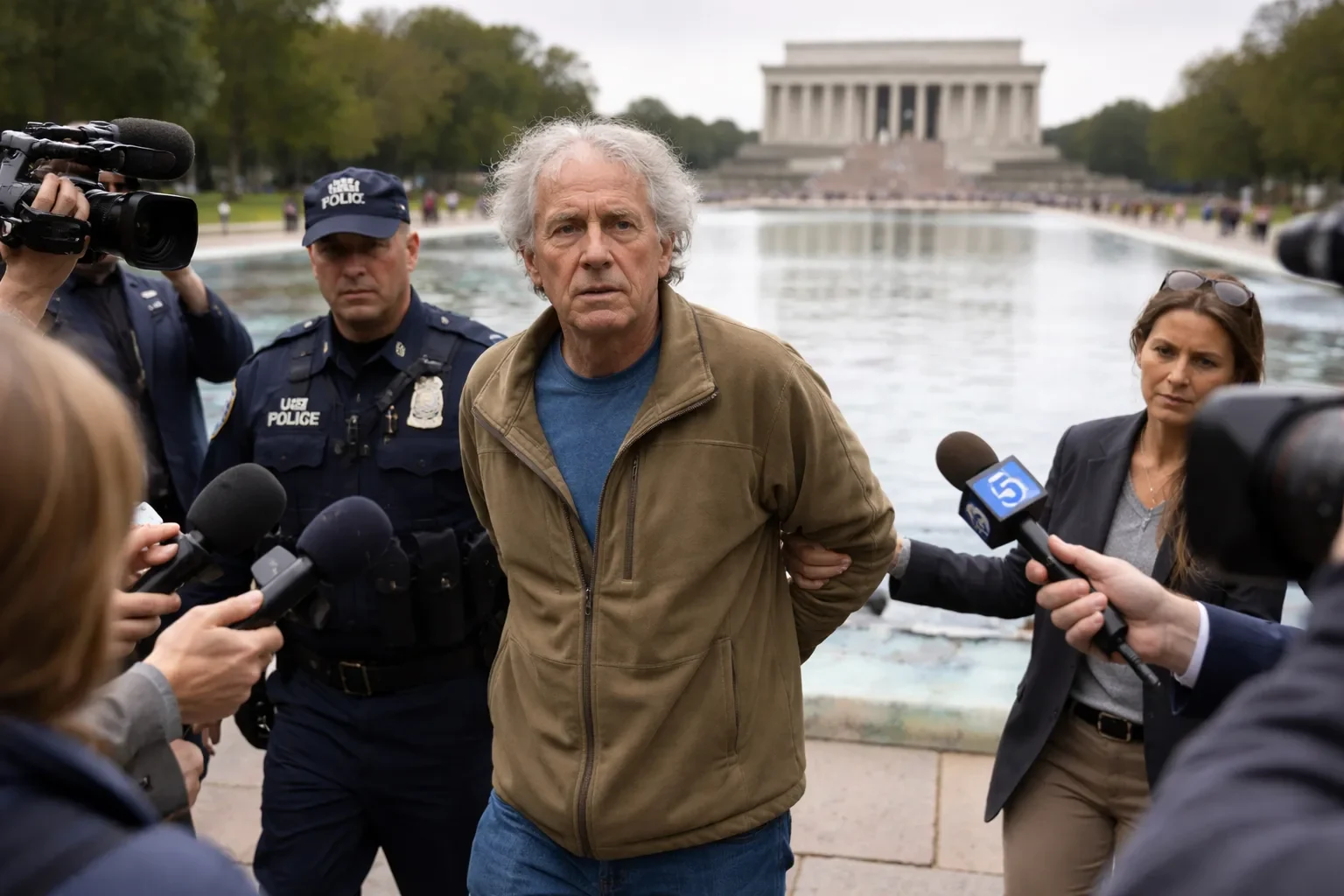
Former Olympian David Hearn has denied vandalising the Washington Reflecting Pool after his arrest near the recently renovated landmark, saying he did not destroy government property and merely touched material that was already peeling. The case has quickly become larger than a routine misdemeanor dispute because it touches a federally managed monument, a costly renovation project, and broader questions about whether visible maintenance failure is being turned into a criminal case against a bystander.
That makes the Washington Reflecting Pool arrest story about more than one former athlete in handcuffs. It is also about how public officials respond when a high-profile restoration project appears to be deteriorating in plain sight.
Why Hearn's denial matters
Hearn's defense is narrow but significant. He is not claiming confusion about where he was or disputing that he interacted with the site at all. He is arguing that the material was already delaminating and that touching or inspecting it is not the same as vandalising it. That distinction will likely sit near the center of the case if prosecutors move forward.
In practical terms, the question is whether a person can be charged with destruction of government property for making contact with a visibly compromised surface that may already have been failing. The answer matters not just for this defendant, but for how responsibility is assigned when public infrastructure problems are already apparent.
Why the Reflecting Pool itself is part of the story
The pool is not just a scenic site. It is one of Washington's most symbolically loaded public spaces, linked to national memory, tourism, and public image. A troubled $13 million renovation at such a landmark naturally draws scrutiny. Reports of peeling paint, algae, and surface problems make the site look less like a success story and more like a fragile public works embarrassment.
That context matters because it changes how the arrest is interpreted. If the pool looked pristine, an accusation of vandalism might seem straightforward. When the renovation is already under criticism, the arrest can look instead like a confrontation taking place in the shadow of project failure.
Why the case has political overtones
The mention of presidential attention and public messaging around the renovation raises the stakes. Once a monument project becomes politically visible, everything around it can become more performative: the restoration narrative, the accountability narrative, and even enforcement decisions. That does not prove improper prosecution, but it does mean the arrest will be read through a more charged lens than an ordinary property-damage case.
For critics, the key concern may be whether a visible flaw in public infrastructure is being reframed as individual misconduct. For officials, the concern may be protecting a federal landmark from further deterioration or perceived tampering. Those two narratives are now colliding.
Why public-space enforcement is being questioned
Hearn's account of detention and his claim that he was curious about the material because of his professional background add another layer. Public spaces often sit at an uneasy intersection of security, maintenance, and civil access. People can be tourists, observers, documentarians, or critics. When authorities intervene aggressively, the public starts asking whether the response was proportionate to the conduct.
That is particularly true when the alleged act involves touching already peeling material rather than clearly damaging an intact structure.
What to watch next
The next important development is the legal process itself: whether prosecutors pursue the misdemeanor charge aggressively, whether video evidence clarifies the interaction, and whether the National Park Service or contractors provide more explanation about the state of the pool surface. The condition of the renovation may become nearly as important to the public debate as the charge against Hearn.
Why this matters
This case matters because it sits at the intersection of public works accountability, federal enforcement, and the politics of visible failure at a national landmark. If David Hearn's version is accurate, the real controversy may be less about vandalism than about what happens when a costly renovation begins peeling and the wrong person appears to become the face of the problem.
Why it matters
The arrest highlights the high stakes of a $13 million national monument restoration project that has drawn personal attention and public comments from President Trump.
Read next
Follow this story through the topic hub, more world coverage, and the latest updates.
Weekly briefing
Get the week's key developments in one concise email.
Get a fast catch-up on the biggest stories, the context behind them, and the links worth your time.
Cadence
Weekly, for a quick catch-up
Coverage
AI, business, world, security, sports
Format
Clear takeaways and useful context
Request the briefing
Leave your email to open a prepared request and get on the list for the weekly briefing.
About the byline
World correspondent
Leila Haddad covers world affairs, diplomacy, and humanitarian crises, with a focus on how fast-moving international developments affect public policy, conflict response, and cross-border institutions.
Sources and methodology