Progressive Surge Reshapes New York's Democratic Bench as Incumbents
A sweep of Mamdani-backed candidates, including Brad Lander's defeat of Dan Goldman, signals a significant leftward shift driven by intra-party divisions.

World correspondent
Reports on international affairs, diplomacy, and humanitarian developments with an emphasis on official statements, multilateral institutions, and regional context.
Editorial responsibility: Lead reviewer for geopolitics, international institutions, and crisis coverage
Primary source: BBC World News. Full source links and update notes are below.
Fast summary
Start here
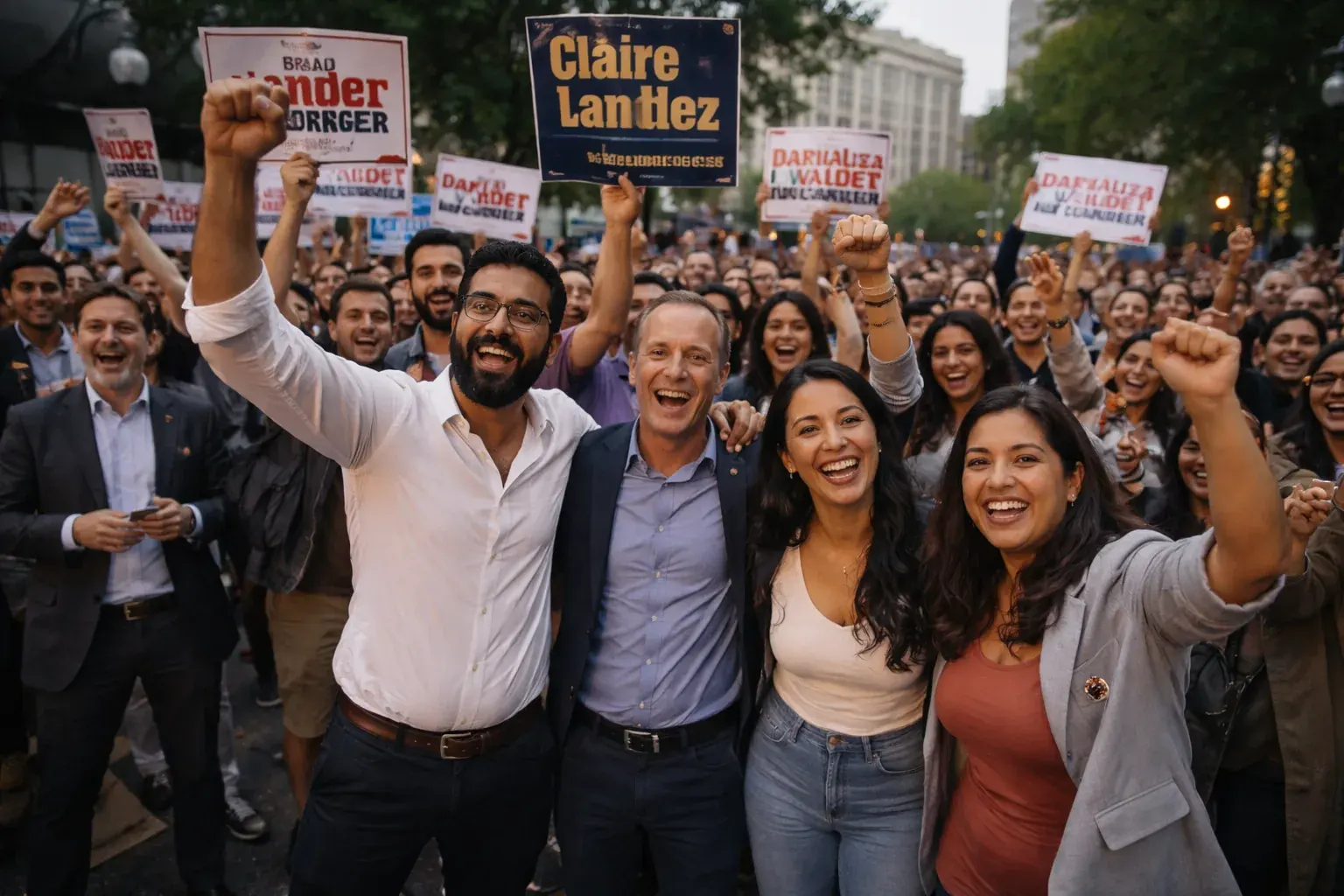
- Brad Lander defeated two-term incumbent Dan Goldman in New York's 10th congressional district with 65.7% of the vote.
- Candidates Claire Valdez and Darializa Avila Chevalier unseated established incumbents in the 7th and 13th districts, respectively.
- The primary results highlight deepening intra-party divides regarding the Israel-Gaza conflict and the growing influence of democratic socialist Mayor Zohran Mamdani.
What happened
Candidates backed by Zohran Mamdani's progressive wing of New York politics swept a series of Democratic primaries, defeating incumbents and reshaping the city's internal party balance in a way that looks much bigger than a normal cycle of local turnover. The victories suggest that the organized left is not merely influencing New York's Democratic agenda from the outside. It is now demonstrating the ability to replace sitting power centers directly.
That is why the Mamdani-backed New York primaries result matters. It is not only about who won a handful of races. It is about what those wins say regarding ideological momentum, coalition discipline, and the direction of the Democratic bench in the country's largest city.
Why the sweep is politically significant
Primary defeats always matter more than general-election wins inside one-party dominant cities because the primary is where the real ideological contest happens. In New York, that means these races function as a referendum on what kind of Democrat can survive the current political mood. The results suggest that in several important districts, progressive candidates were able to persuade voters that incumbency and moderation were not enough.
A clean sweep amplifies that message. One upset can be explained away as district-specific. Multiple wins tied to one ideological camp are harder to dismiss. They indicate organization, message discipline, and a voter appetite that extends beyond a single personality.
The Mamdani factor
Zohran Mamdani's role matters because political influence is rarely proven only through media visibility or rhetorical energy. It is proven when endorsed candidates win and when an identifiable faction begins to produce a bench of allied officeholders. These primary victories appear to do both. They suggest Mamdani's faction is not only culturally loud, but electorally effective.
That matters inside the Democratic Party because New York has long been a testing ground for national debates over how far left urban voters are willing to go, particularly on housing, policing, inequality, and foreign-policy-adjacent identity issues such as the Israel-Gaza conflict.
Why incumbents lost
The defeats appear tied to a mix of ideological frustration and changing coalition energy. In some races, disagreements over Israel and Gaza became a focal point. In others, the broader issue was whether incumbents still represented the urgency many progressive voters wanted. When challengers can combine moral intensity with anti-establishment appeal, even well-known incumbents can look stale.
This is one reason the results deserve broader attention. They reveal that incumbency advantages can weaken quickly when a party's activist base believes representation has drifted too far from its current values.
What this means for New York Democrats
The immediate consequence is a more progressive Democratic bench and a clearer warning to officeholders who assume name recognition alone can protect them. But the larger implication is strategic. If these wins hold their symbolic power, they may push more Democrats in New York to reposition on key issues out of fear that the same coalition could target them next.
That could affect candidate recruitment, legislative behavior, and even how local and state leaders define electability. Once the left proves it can win these contests repeatedly, the center of gravity inside the party starts to move even before every office changes hands.
Background and context
New York Democratic politics has long featured tension between institutionally powerful moderates and activist-driven progressives. What changes from cycle to cycle is which side looks ascendant. These results suggest that, at least in this moment, the progressive camp has converted energy into disciplined electoral power rather than only protest or media influence.
The fact that the races also intersect with national debates over Gaza, intra-party identity, and the acceptable boundaries of criticism toward establishment Democrats gives the outcome an importance that stretches beyond city politics.
What to watch next
The next questions are whether the winners can consolidate support beyond their primary coalitions and whether Mamdani's influence expands into future state and congressional contests. Watch also for the reaction from incumbents who survived elsewhere. They may begin adjusting their issue emphasis quickly if they believe the progressive lane now carries more electoral force than it did even one cycle ago.
Why this matters
The Mamdani-backed primary sweep matters because it signals a real leftward shift inside New York's Democratic power structure, weakens the assumption that incumbents are safe in ideologically restless districts, and strengthens the organized progressive claim to shape the city's next generation of elected leadership.
Why it matters
These results demonstrate the growing power of the Democratic party's left wing in America's largest city and signal a rejection of moderate incumbents in favor of more progressive leadership.
Read next
Follow this story through the topic hub, more world coverage, and the latest updates.
Weekly briefing
Get the week's key developments in one concise email.
Get a fast catch-up on the biggest stories, the context behind them, and the links worth your time.
Cadence
Weekly, for a quick catch-up
Coverage
AI, business, world, security, sports
Format
Clear takeaways and useful context
Request the briefing
Leave your email to open a prepared request and get on the list for the weekly briefing.
About the byline
World correspondent
Leila Haddad covers world affairs, diplomacy, and humanitarian crises, with a focus on how fast-moving international developments affect public policy, conflict response, and cross-border institutions.
Sources and methodology