NFL Unveils 2026 Schedule with Patriots-Seahawks Season Opener
The league's full 2026 slate features a high-profile rematch of Super Bowl XLIX to start the season.

Sports reporter
Reports on leagues, tournaments, and athlete developments with an emphasis on verified event details, official announcements, and commercial context.
Editorial responsibility: Lead reviewer for match reporting, tournament context, and league governance coverage
Primary source: ESPN Top Headlines. Full source links and update notes are below.
Fast summary
Start here
- The NFL officially released the full regular-season schedule for 2026 on Monday.
- The New England Patriots will face the Seattle Seahawks in a marquee Week 1 opener.
- The matchup serves as a commemorative nod to their historic meeting in Super Bowl XLIX.
What happened
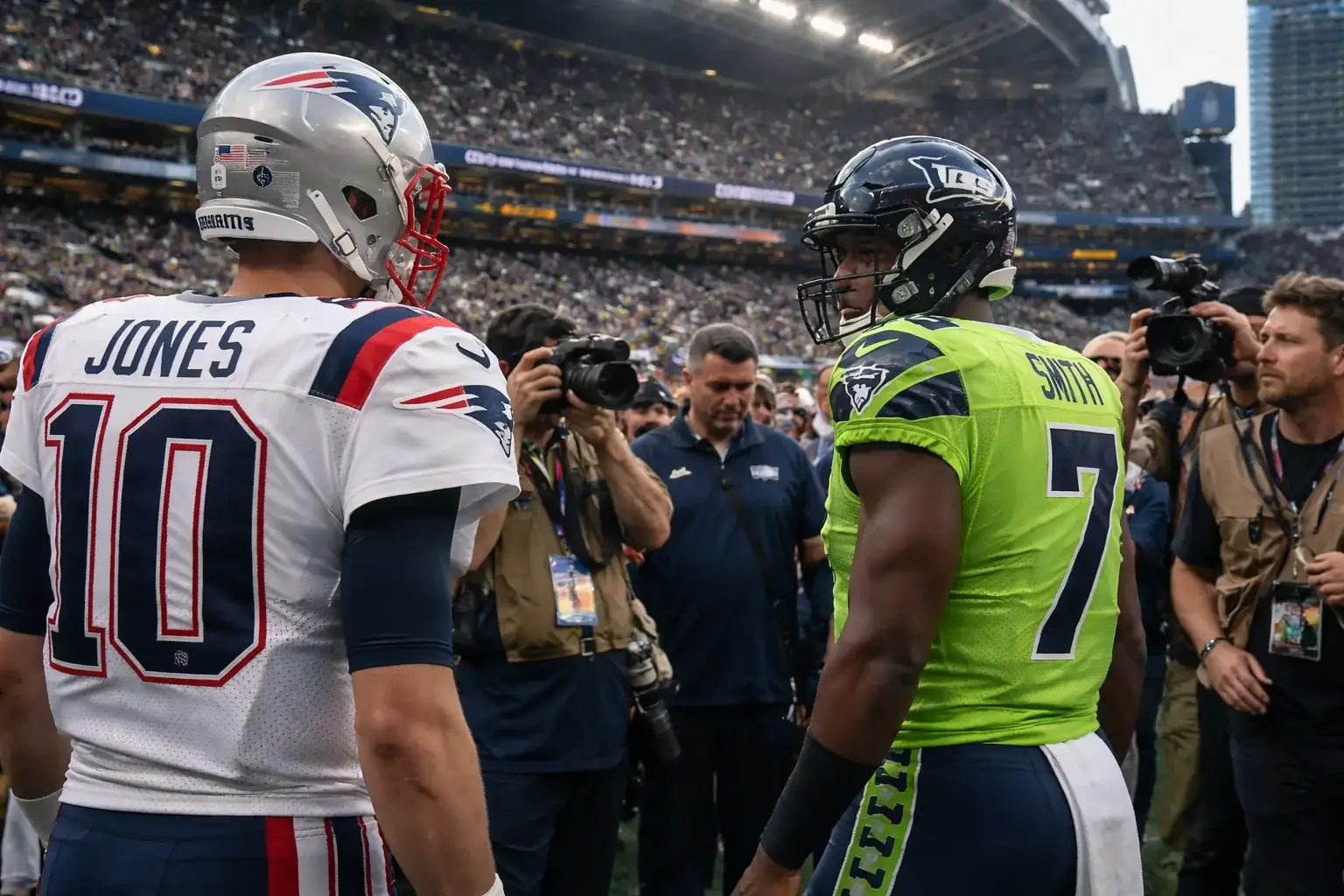
The NFL has released its full 2026 regular-season schedule, and the league chose a New England Patriots versus Seattle Seahawks opener to launch Week 1. The matchup is being framed as a Super Bowl XLIX rematch, drawing on one of the most memorable championship finishes of the modern era. Even though the players, coaching staffs, and competitive context have changed significantly since that title game, the league clearly sees enough lingering brand value in the pairing to use it as the front door to a new season.
The Patriots-Seahawks season opener matters because the NFL schedule release is never just administrative. It is a television event, a marketing event, and an early power-ranking moment all at once. Every prime-time slot sends a message about which stories the league believes will hold national attention.
Why the opener was chosen
The NFL rarely wastes its first major standalone window on a random game. Choosing a Patriots-Seahawks kickoff suggests the league wants to balance nostalgia with fresh relevance. The Super Bowl XLIX connection gives broadcasters a ready-made narrative, while the current teams provide enough uncertainty to keep the game from feeling like a pure tribute act.
This is typical NFL schedule strategy. The league looks for pairings that can carry both memory and momentum. The best openers offer an immediate hook for casual viewers while also fitting into the long season's broader storytelling arc. A famous rematch, even between franchises now in newer eras, does that efficiently.
The significance of schedule release day
Fans often treat the schedule release like a soft launch of the new season because it transforms abstract optimism into an actual path. Once dates are set, every team can be judged by travel demands, prime-time exposure, divisional sequencing, late-season difficulty, and rest imbalances. For contenders, it shapes expectation. For rebuilding teams, it shapes hope.
That is why the 2026 NFL schedule matters beyond one headline game. The release locks in international matchups, holiday showcases, rivalry windows, and the calendar sequence that will influence how teams manage training camp, roster decisions, and early strategic planning.
The Super Bowl XLIX shadow
The historic reference point here is obvious. New England and Seattle are forever linked by the dramatic finish to Super Bowl XLIX, a game that still occupies a large place in recent NFL memory. The image of Malcolm Butler's goal-line interception remains one of the defining championship moments of the decade.
But the 2026 opener is not a literal continuation of that rivalry so much as a brand-aware callback. That matters because leagues trade heavily on memory. Fans remember emotionally charged games long after rosters turn over, and the NFL is especially good at packaging those memories into new broadcast products.
What this means for both franchises
For the Patriots and Seahawks, a marquee opener creates both opportunity and pressure. A nationally visible Week 1 game shapes early perception faster than a routine Sunday afternoon slot would. If one team looks sharp, the narrative can jump immediately toward resurgence or momentum. If the game is sloppy, criticism arrives just as quickly because the audience is larger and the expectations are higher.
Opening-night visibility also affects how a franchise is positioned within the league hierarchy. The NFL does not hand that stage to every team. Getting it signals relevance, whether that relevance comes from legacy, market size, player intrigue, or projected competitiveness.
What to watch next
Beyond the opener itself, analysts will now turn to schedule texture: early road stretches, rest disparities, divisional clustering, and how the holiday and international windows shape the season. For the Patriots and Seahawks specifically, attention will center on whether the opener is simply a headline device or the start of a meaningful campaign for either team.
Why this matters
The Patriots-Seahawks Week 1 opener matters because it shows how the NFL uses schedule release day to build narrative, monetize history, and establish the themes it wants fans to follow from the first kickoff of the 2026 season.
Reader context
This story belongs to Northstar Herald's NFL coverage, with related entities including New England Patriots, Seattle Seahawks, 2026 NFL Schedule, Super Bowl XLIX Rematch. The report is based on ESPN Top Headlines source material.
Related coverage
Why it matters
The release of the NFL schedule is a major milestone in the sports calendar, determining broadcast rights, travel logistics, and season expectations for all 32 franchises.
Read next
Follow this story through the topic hub, more sports coverage, and the latest updates.
Weekly briefing
Get the week's key developments in one concise email.
Get a fast catch-up on the biggest stories, the context behind them, and the links worth your time.
Cadence
Weekly, for a quick catch-up
Coverage
AI, business, world, security, sports
Format
Clear takeaways and useful context
Request the briefing
Leave your email to open a prepared request and get on the list for the weekly briefing.
About the byline
Sports reporter
Olivia Park covers sports with an emphasis on competition, governance, and the business forces shaping global leagues, major events, and athlete decision-making.
Sources and methodology